
Julie Elie decodes 11 zebra finch calls, wins $100,000 for bid to enable real animal dialogue
Berkeley scientist Julie Elie uses individual bird call signatures to decode communication and earn the 2026 Coller-Dolittle prize.
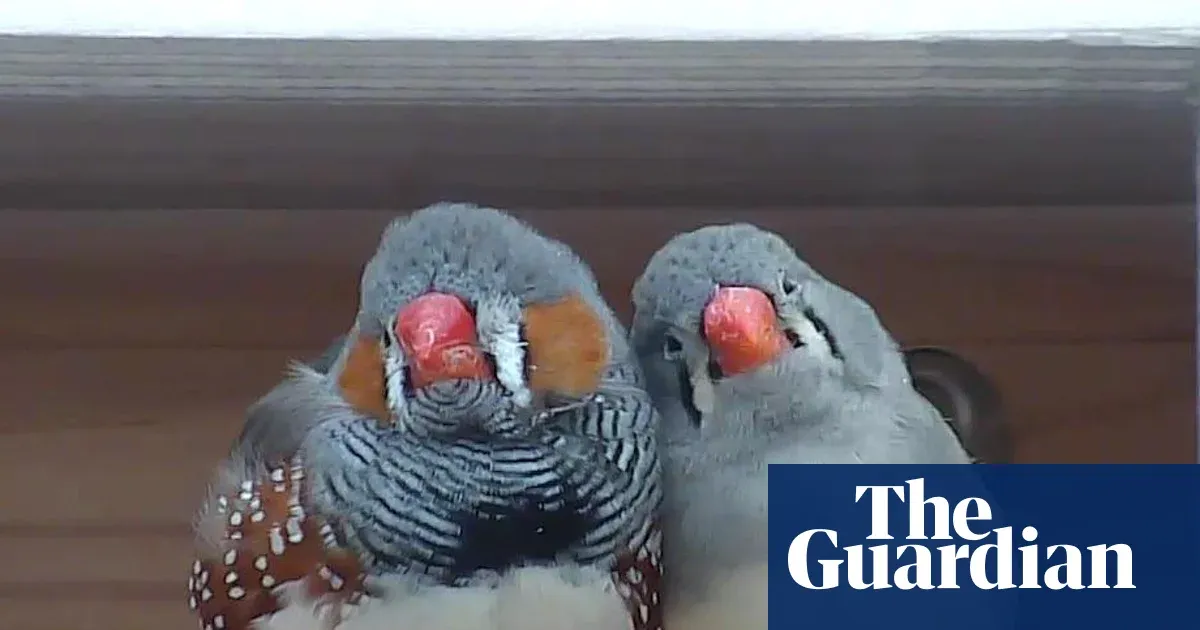
Dr Julie Elie of the University of California, Berkeley, decoded zebra finches' core vocalisations, including 11 core calls and their meanings, and earned the 2026 Coller-Dolittle prize worth $100,000. For decision-makers watching AI, biotech, and human-animal tech, it is a rare, fundable proof point that two-way communication with animals can move from sci-fi to measurable signals.
Dr Julie Elie, a scientist at the University of California, Berkeley, has won the 2026 Coller-Dolittle prize worth $100,000 after decoding how zebra finches communicate. The core win is specific: she worked out the 11 core calls in the zebra finch vocal vocabulary, along with what those calls mean. She also showed that individual zebra finches use signature patterns in their vocalisations, effectively announcing identity and context rather than producing a generic chirp.
And the prize is not just a ceremonial pat on the head for bird ears. It is explicitly tied to “two-way interspecies communication,” meaning progress towards a world where humans can talk to animals without receiving a blank response. In other words, the goal is not passive observation. It is actionable interpretation that humans can use, at least enough to start a back-and-forth instead of treating animal sounds as decorative background noise.
To understand why this matters beyond the bird-brained cool factor, look at what interspecies communication requires in practice. You need a decoding layer that maps signals to meanings, and you need to respect that “one species sound” can actually be a bundle of different information channels. In Elie’s case, the source describes more than the existence of calls. It describes how zebra finches use vocalisations to announce who they are, what they are doing, and that individuals have identifiable signatures. That is a big deal because identity and context are what turn raw audio into language-like structure. Without that structure, a system can recognize sound, but it still cannot respond in a way that is likely to be meaningful to the animal.
This is where the market context shows up, even if today’s story is written like a science win. Across the AI and sensing ecosystem, the hardest problem is not generating patterns. It is decoding what signals actually correspond to in the real world, under messy conditions. Birdsong is noisy, variable, and biological. If you can extract a vocabulary of 11 core calls and connect them to meanings, you have built something closer to a functional “interpretation stack” than a cute classification demo. That is the kind of progress that can attract funding, build partnerships, and de-risk future work aimed at two-way systems.
It also slots into a broader incentive structure. Prizes like the Coller-Dolittle are designed to accelerate ambitious, cross-disciplinary goals that might otherwise crawl because they are too speculative for short funding cycles. In Elie’s case, the prize is awarded after progress toward two-way interspecies communication, and the source credits the decoding work as the reason. That matters to executives because it is a signal about what credible research milestones look like when boards and investors demand evidence of “path to impact,” not just publications.
On the regulatory and ethics side, two-way animal communication is the kind of ambition that will eventually run into frameworks around animal welfare, experimentation, and the use of behavioural signals in settings like agriculture and conservation. The source does not mention regulators directly, but the stakes are obvious. Any technology that claims to translate animal communication will need to be careful about what it does, what it claims, and how it measures outcomes. Even before regulation fully arrives, the best operators in adjacent sectors treat these issues as product requirements, not legal afterthoughts. Elie’s work is valuable partly because it is anchored in identifiable calls and meaning, which are measurable rather than purely interpretive.
Second-order implications for decision-makers are less about turning on a chatbot for finches tomorrow, and more about what this validates for similar translational efforts. If scientists can identify a core “vocabulary” and map it to consistent meanings, that suggests a repeatable pathway for other species and for other signal-based domains. And if individual signature patterns can be decoded, systems may learn to track subject-level context, which is crucial for any real interaction loop. For boards overseeing animal tech, AI research commercialization, or human-animal interaction projects, this is a proof point that the field is inching toward interpretable, structured signals rather than vague noise reduction.
So yes, it is a bird story. But it is also a communication story, a decoding story, and a two-way dialogue story. Dr Julie Elie’s $100,000 Coller-Dolittle prize recognizes the specific mechanics: 11 core calls in zebra finch vocalisations, their meanings, and individual signature use that helps birds announce who they are and what they are doing. For executives, researchers, and investors watching the next wave of interspecies tech, this is the kind of milestone that changes the conversation from imagination to implementation.
This story's Key Insights and Take-aways are locked.
Create a free account to unlock Executive Actions for one credit.
Register to UnlockAlways free for Executives Club members. Join the Club
More in Science

University of Ottawa’s UbiMyTherapist AI reads smartwatch and earbuds to spot distress early
A new approach aims to detect emotional distress automatically, so people do not have to ask for help first.
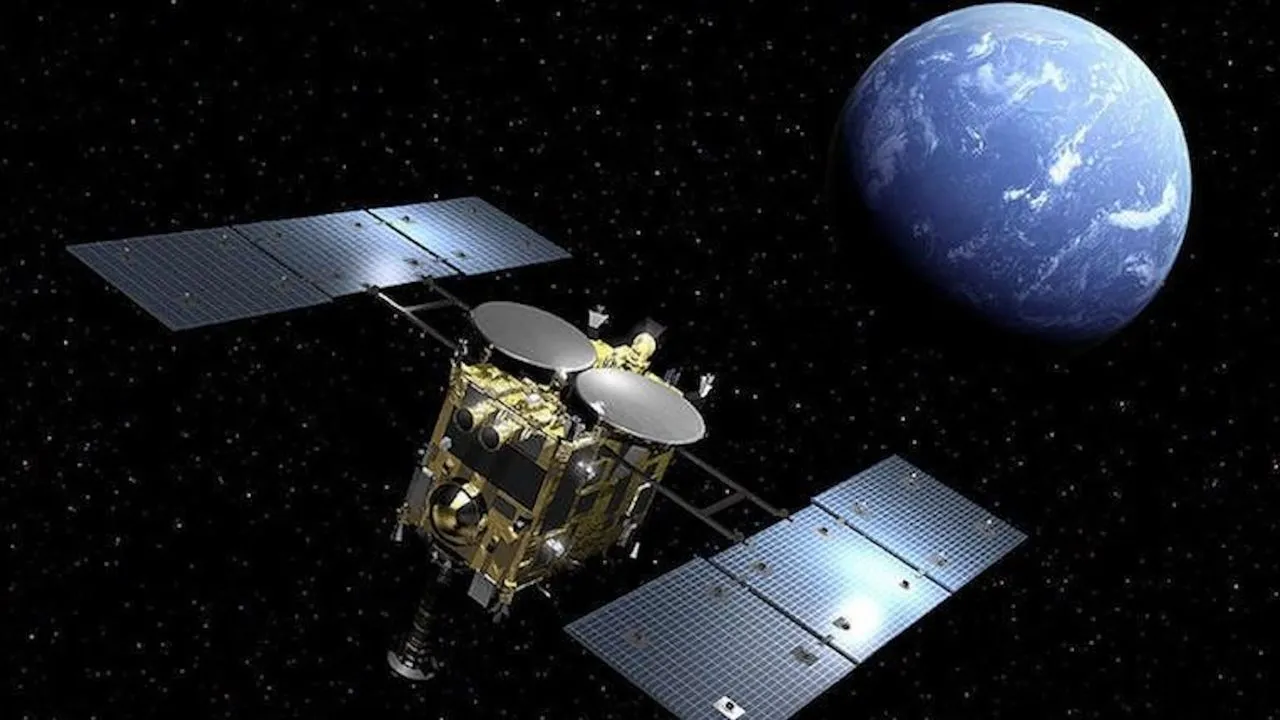
Hayabusa2 risks a 1 km flyby of Torifune July 5
Japan's probe hunts answers on a 450-meter asteroid while testing rapid reconnaissance for planetary defense.

California Polytechnic wins NASA’s $10,000 2026 Human Lander life-support prize
Top student designs in environmental control and life support for future Artemis landers just got real money and real momentum.