
July 4 heat wave would be virtually impossible in 1776, scientists say
Decision-makers are planning for a climate where peak heat is no longer a seasonal oddity, it is the baseline.

Scientific American reports that a U.S. July 4 heat wave in today's climate would have been 'virtually impossible' in 1776. For leaders, that reframes heat risk from historical comparison to operational reality.
A July 4 heat wave in the U.S., at the intensity people experience today, would have been "virtually impossible" in 1776, according to Scientific American. In other words, this is not just “hotter than usual.” It is the kind of heat that would not have fit the world that the Founding Fathers actually lived in.
That comparison is the point, and it is sharper than it sounds. The heat Americans endure now is both more frequent and more intense than the heat waves the Founding Fathers would have encountered. The timeline matters because it turns climate change from an abstract trend into a direct question leaders can actually work with: would your organization, workforce, and infrastructure survive the worst-case summer conditions that are now showing up on ordinary calendars like July 4?
Heat waves are one of those risks that behave differently than, say, a one-time regulatory event or a single product launch. They accumulate. They stress people, they stress buildings, and they stress systems that are already operating near their limit. When heat waves become more intense, the second-order effects multiply. Cooling demand rises, peak electricity consumption spikes, and the margin for error in everything from facility operations to logistics shrinks.
For executives, the incentive structure is familiar: budgets get built on “typical” conditions, then you pay for the extremes when they arrive. Boards often see heat through the lens of corporate responsibility, workplace safety, or reputational exposure. But the 1776 comparison pushes a different framing. It implies that the conditions that look like outliers on historical charts are increasingly within the envelope of real-world operations. That means heat planning is not a “nice to have” for comfort. It is about continuity, productivity, and cost containment.
There is also a regulatory and insurance angle, even when the specific story is climate science. Many jurisdictions increasingly tie heat, air quality, and emergency preparedness to building codes, workplace standards, and emergency management requirements. As the underlying climate baseline shifts, regulators tend to update what they consider reasonable risk. Even if a company does not face a new heat-specific law tomorrow, it can still get dragged into changed expectations through permitting, inspections, workplace safety enforcement, and the underwriting logic of insurers and lenders.
Then there is the labor reality. Heat waves are not evenly experienced across the economy. Roles with outdoor labor, shift work, or less access to controlled environments tend to carry higher exposure. When heat intensity rises and heat waves become more common, the operational burden is not evenly distributed either. That can affect hiring, attendance, overtime patterns, and even the cost of compliance like training and cooling provisions.
The “virtually impossible in 1776” framing also lands on a governance level. Boards like to ask what assumptions management used when building forecasts. Temperature is a basic variable, but heat extremes can stress demand for electricity, raise the likelihood of equipment failure, and change how quickly workers can safely perform tasks. If your risk model still treats extreme heat as a rare tail event, the Scientific American comparison suggests it may be time to update the “rare” label. Not because anyone is predicting a specific event, but because the historical reference point is no longer the right one.
For leaders in utilities, real estate, consumer-facing brands, logistics, and any business that relies on stable operations and healthy workers, this is the strategic stake: heat risk is moving from “seasonal nuisance” to “system constraint.” The executives who treat that shift early will have fewer surprises, tighter operational plans, and better control of costs when peak conditions hit. Those who wait will be forced to improvise when the calendar says July 4 and the atmosphere says otherwise.
This story's Key Insights and Take-aways are locked.
Create a free account to unlock Executive Actions for one credit.
Register to UnlockAlways free for Executives Club members. Join the Club
More in Science
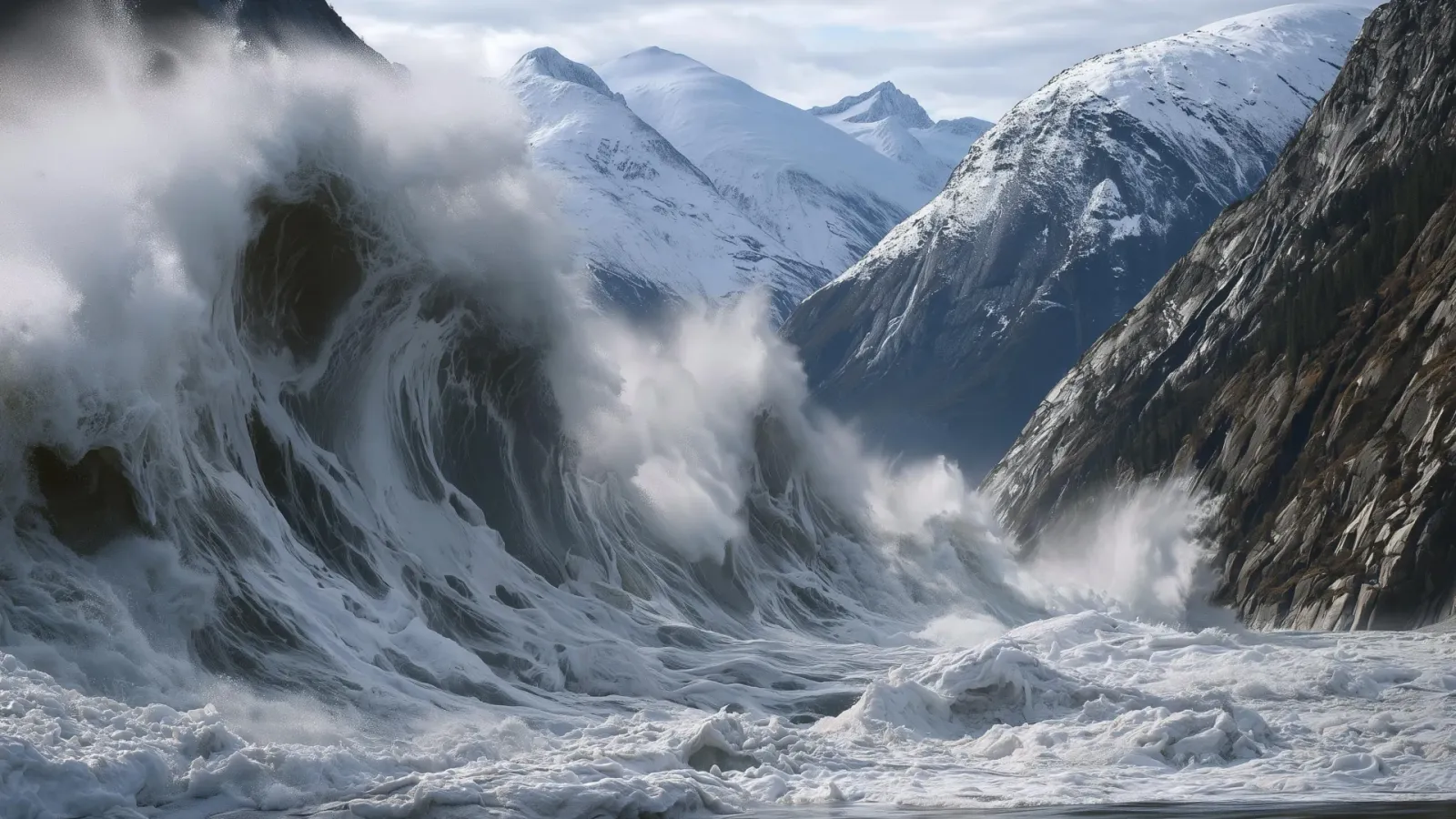
Alaska's 1,580-foot tsunami had warning signs. Scientists just found them.
Rapid glacier retreat, heavy rainfall, and thousands of tiny tremors preceded Alaska's 1,580-foot tsunami, a warning for every coastal community in a warming world.

The rare mutation that lets high-risk brains dodge Alzheimer's
Scientists found a natural defense against protein buildup, opening a new path to preventive treatments.

3,000 steps a day may halve Alzheimer's decline, study finds
New research links a modest daily walk to less tau buildup and nearly half the cognitive and functional decline, even for those with early signs.