

July Patch Tuesday fixes 570 Windows bugs, including three actively exploited zero-days
The month shattered records: 61 critical, two exploited zero-days, plus three zero-days total. Here is what to do now.
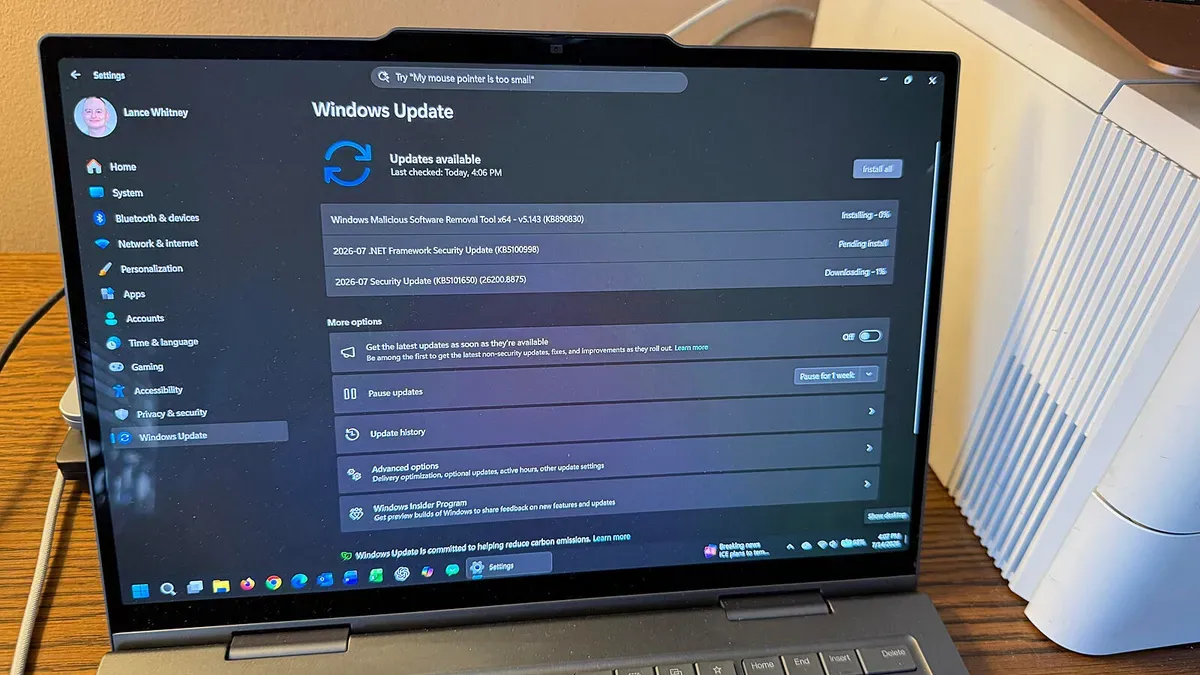
Microsoft’s July Patch Tuesday Windows update lands with record volume: 570 security bugs fixed, including multiple zero-day flaws. For decision-makers, it raises near-term risk of active exploitation and accelerates the urgency of patching and internal security coordination.
Microsoft’s July Patch Tuesday Windows update shattered its own baseline: the release includes fixes for 570 Windows security bugs in a single monthly cycle, including three zero-day flaws and 61 vulnerabilities rated critical. The really painful part is that two of those zero-days are already exploited, meaning attackers are not waiting for IT teams to catch up.
For security and operations leaders, this is not a “someday” problem. When a patch batch hits record bug counts and includes exploited zero-days, the time between deployment and attacker success can collapse to hours. In practical terms, your risk is measured in patch latency, not in how well your endpoint inventory looks on paper.
Patch Tuesday is Microsoft’s monthly cadence for shipping security fixes across Windows and related products. The reason it matters to executives beyond the security team is that it turns into an operational event: approvals, change windows, validation testing, and sometimes downstream impacts on business apps and devices. When the volume rises to 570 bugs, the testing burden grows too, and so does the chance that something “unrelated” breaks when you patch.
At the same time, exploited zero-days change the prioritization math. A typical vulnerability backlog can be triaged by severity, exploitability, and affected asset criticality. But when ZDNet reports that the update includes “two exploited zero days,” it signals that attackers already have working techniques. That shifts the posture from planning to execution: the cost of delaying patching now can outweigh the cost of accelerating change controls, even if you still need safeguards.
The record itself also signals something about how fast the security landscape is moving. Three zero-day flaws in one month is already a lot. Add the detail that 61 are rated critical, and you get a concentration of high-impact vulnerabilities that is harder to absorb with a slow, incremental rollout. Executives should treat this as a “risk concentration” moment, where the distribution of threat severity is skewed toward the worst categories.
There is also a governance layer here. Boards and risk committees often want assurance that the organization has a consistent vulnerability management process, including patching, compensating controls, and reporting. A patch cycle like this tests those processes. If your metrics only track “patch coverage” at a point in time, you can miss what matters when exploits are already in the wild. The control you want is not just coverage, but speed: how quickly you can move from “update released” to “protected in the environments that matter.”
Second-order, this is the kind of incident that reshapes internal alignment. Security, IT operations, and business unit owners all experience patching differently. Security wants speed. Operations wants stability. Business owners want minimal disruption. With 570 bugs and exploited zero-days, the negotiation becomes less theoretical. Your leaders will need to decide what you can risk, what you cannot, and how you will communicate the trade-offs. The “critical” rating matters here because it influences how stakeholders perceive severity and urgency.
For peers in similar roles, the strategic stake is straightforward: patching is your defense, and Patch Tuesday is your calendar. When Microsoft ships a record-setting bundle that includes exploited zero-days, you either compress the response cycle or you accept that adversaries may benefit from the gap. Today’s decision is not about whether the update is important. It is about whether your organization can operationalize that importance quickly enough to reduce exposure while still maintaining business continuity.
This story's Key Insights and Take-aways are locked.
Create a free account to unlock Executive Actions for one credit.
Register to UnlockAlways free for Executives Club members. Join the Club
More in Technology
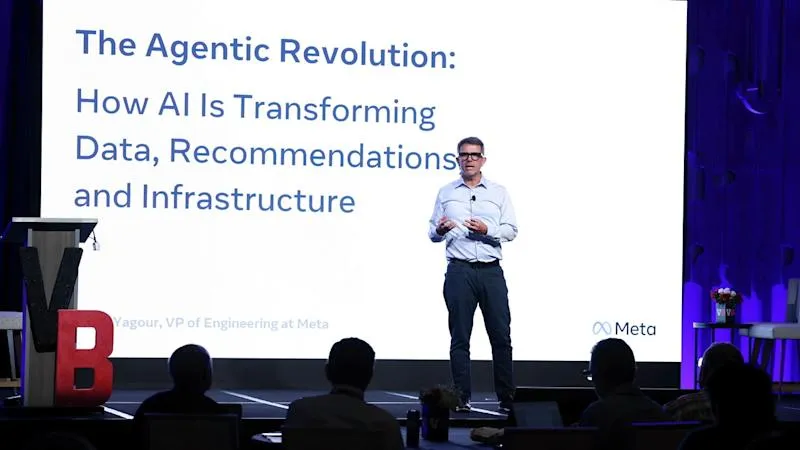
Meta VP Barak Yagour warns: 20 months to rebuild infrastructure for AI agents
Agent traffic is already breaking old assumptions at Meta. The fix is agent-aware capacity, governance, and reasoning-ready data.

India launches $6.5B smartphone plan and $13.3B semiconductor push to cut China dependence
New Delhi is funding two linked supply-chain bets. For execs, that means new procurement shifts and new competitors.

Microsoft pulls Patch Tuesday for some Intel Dell PCs after unexpected shutdowns and overheating
A limited Dell-Intel compatibility issue pauses the Windows security update, just as exploitation risk is rising.