
June 16 pre-seed: Sovra raises $2M+ to let users self-custody USDC
A MENA fintech built for unbanked and disrupted savers launches with a $2 million+ pre-seed and a self-custody pitch.
Sovra, a fintech providing a global dollar account, raised more than $2 million in pre-seed funding led by Pharsalus Capital on June 16, 2026. For decision-makers, the round signals how quickly self-custodial stablecoin models are becoming the new “banking” layer across MENA and beyond.
On June 16, 2026, Sovra announced it has raised more than $2 million in pre-seed funding. The round was led by Pharsalus Capital and backed by a who’s-who of regional and global angel investors, including Karim Atiyeh (founder of Ramp), Hisham Al-Falih (founder of Lean Technologies), Hany Rashwan (founder of 21shares), and Naguib S. Sawiris (chairman of Orascom Development Holding AG).
The fundraising matters because Sovra is not positioning itself as a traditional money transmitter or a classic fintech wrapper. It is pitching a “global dollar account” where users hold digital dollars, earn yield, send money globally in seconds, and spend via a card that works anywhere, all through a self-custodial account that can only be accessed by the user, without interference from the platform or any intermediaries. In plain English: Sovra wants to be infrastructure, not a gatekeeper.
Why that positioning is landing now is easier to see than ever in MENA. The release points out that two-thirds of adults across MENA remain unbanked or underbanked. In some countries, even people who do have bank accounts can face inflation, currency devaluation, withdrawal limits, and the possibility of losing access to their own money. Meanwhile, cross-border remittances remain slow and expensive, with charges of over 6% per transfer and often taking days to arrive. Sovra’s product story is basically: if the banking system is fragile, let the user control the asset directly.
The mechanism is the architecture, not just the app. Sovra’s digital dollar balances are denominated in USDC, a regulated US dollar-based stablecoin issued by Circle, an NYSE-listed SEC-regulated company that is audited by Deloitte. The release also says there is one real US dollar in reserve for every digital dollar in circulation, fully verifiable. Sovra then uses its “self-custodial architecture” so that users have complete control of their own money, while the platform serves purely as infrastructure.
From a product standpoint, the app claims it offers more than storage. Users can connect to third-party DeFi protocols to access yield, and Sovra offers card payments supported across the Visa and Mastercard networks, plus free transfers across accounts. That combination is strategically important because it targets the full loop: hold value, grow it, move it, and spend it. If you only do one of those pieces, you typically end up competing with existing rails. If you connect all four, you start looking more like a default financial layer.
Regulatory and operational assumptions sit underneath that loop, and Sovra’s choices are doing some heavy lifting. Using USDC ties the “dollar” side of the equation to a stablecoin with an issuer described in the release as SEC-regulated and NYSE-listed, plus Deloitte audits. The release does not claim a specific jurisdictional authorization for Sovra itself, but it does frame the integration as “world-leading platforms,” implying a strategy of composability rather than reinventing every compliance wheel from scratch. For boards and investors, that reduces some execution risk, while increasing dependence on partner ecosystems and their ongoing regulatory posture.
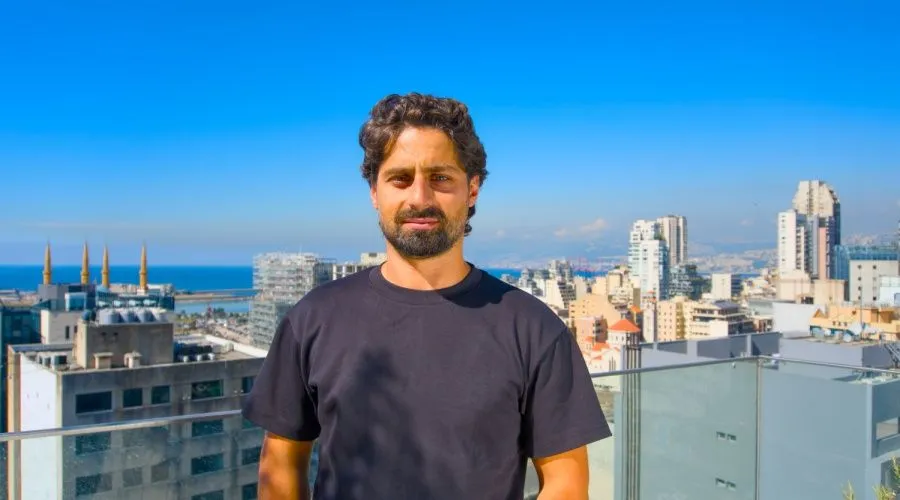
The team behind Sovra also reads like a deliberate mix of consulting rigor and fintech and crypto-native execution. The company says it was founded by Ahmad Wehbi, who watched Lebanon’s banking system fail in 2019 when bank deposits were frozen and the national currency lost more than 98% of its value. It also says the team brings backgrounds across McKinsey, Revolut, Jumpcloud, decentralised finance, and the lived experience of disrupted access to finances and savings. That “lived experience” theme matters because it helps explain why the product is built around self-custody, not simply around a new UX.
Pharsalus Capital’s Managing Director, Anthony Ghosn, backed that narrative directly: he framed Sovra as giving people sovereign, self-custodial alternatives to fragile fiat and banking systems, restoring financial dignity in Lebanon and beyond. For decision-makers, the signal is that the funding community is rewarding not only distribution in underserved markets, but also an explicit stance against intermediated failure modes.
Sovra also laid out how it will deploy the pre-seed: the round will fund engineering and product expansion as the company prepares for its public launch and continues building a platform. The release describes Sovra’s user segments as young professionals across MENA, university students, and the regional diaspora globally. In other words, the go-to-market target is not “only crypto-native users,” but people with day-to-day financial pressure, plus diaspora remittance flows where speed and cost are make-or-break.
The second-order implication for peers is simple: when banking trust fractures, self-custodial stablecoin-based accounts move from “edge case” to serious infrastructure. If Sovra’s public launch hits, the competitive pressure is likely to shift toward players who can bundle custody, yield access, and card rails, while maintaining a credible compliance story through the stablecoin and audit ecosystem. For executives watching market structure, this is a reminder that product design and asset custody can become competitive differentiators, not just technical details.
This story's Key Insights and Take-aways are locked.
Create a free account to unlock Executive Actions for one credit.
Register to UnlockAlways free for Executives Club members. Join the Club
More in Business

A flaw in PHP just forced governments to pull their own sites offline
European agencies from Belgium to Germany took websites dark to patch a critical weakness in the language behind almost 70% of the web, and the blast radius extends far beyond government portals.
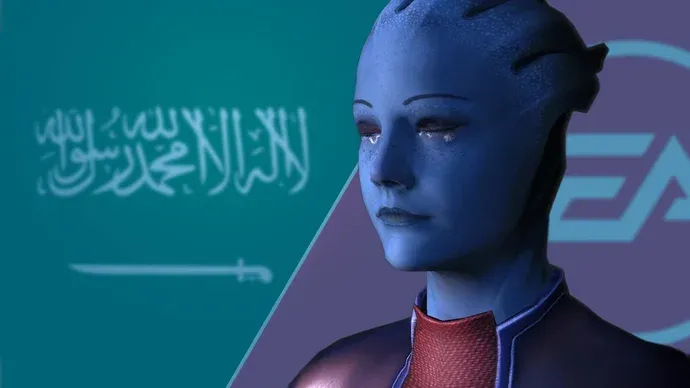
BioWare shuts down, Mass Effect 5 dead after $55B EA buyout
The legendary RPG studio's closure lands months after a $55 billion investment group buyout of EA, raising tough questions for gaming's biggest acquirers.
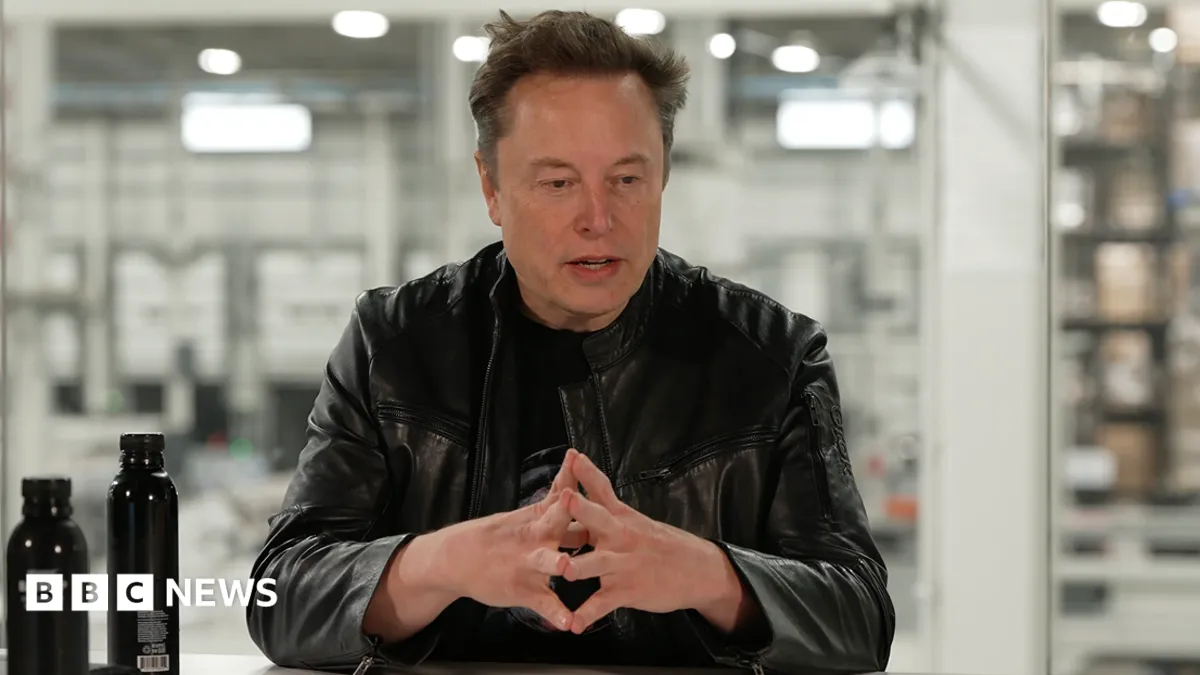
Musk weighs Tesla-SpaceX mega-merger as boards form review panels
Special committees at both companies will examine a tie-up that could fuse electric vehicles and space launch, forcing a fresh look at governance and valuation.