

June tariff refunds hit $49.2B, but CFOs say Iran war inflation eats most of it
Companies got about $71B in refunds after the Supreme Court ruling. Now they’re using the money to offset inflation tied to the Middle East conflict.

PepsiCo CFO Steve Schmitt and McCormick CFO Marcos Gabriel said tariff refunds are being redirected to offset higher costs driven by the Iran war and related inflation pressures. The practical effect: refunds that should cool prices are instead acting as a buffer for commodity, energy, and freight shocks.
American companies have finally gotten meaningful tariff relief. In June alone, U.S. Customs and Border Protection issued $49.2 billion in refunds, according to the U.S. Treasury’s monthly statement, bringing total tariff refunds to about $71 billion.
That matters because the refunds are coming right after a major legal reset. In February, the Supreme Court struck down tariffs under the International Emergency Economic Powers Act (IEEPA), and that decision created roughly $166 billion in refunds available to importers. Yet the money is not arriving in a clean, disinflationary bubble. Instead, multiple CFOs are saying the Middle East conflict is driving additional inflation, especially through energy and gas prices, and they plan to use most of the refunds to offset those higher costs.
PepsiCo is one clear example. On its earnings call last week, CFO Steve Schmitt said the company expects “some more pressure on the business from a commodity standpoint.” He added that PepsiCo will use the tariff refunds “to help offset some commodity inflation that we're seeing and allow us to continue to play offense in the business.” In other words, the refund is not a windfall to expand spending. It is more like a pressure-release valve that keeps margins from getting punched by new cost drivers.
McCormick & Company made the same point from its own numbers. CFO Marcos Gabriel said during an earnings presentation last month that the company’s $31 million in tariff refunds will counterbalance higher costs. Gabriel’s framing was direct about causality: he said “the Middle East conflict is really driving more inflation that we had not contemplated before,” and that the company would use “the majority of the tariff refund to offset these higher costs.” McCormick has also raised prices twice in the last year due to tariffs and limited freight capacity, so the refund is partly there to undo prior damage, not to generate new pricing freedom.
What’s going on here is a classic “policy relief meets macro reality” problem. Economists have long concluded that Trump’s tariff policy was inflationary, and even though the IEEPA tariffs were struck down, prices may remain elevated because other levies continue through different parts of the Trade Act, including Sections 122, 232, and 301 of the 1974 Trade Act. So companies can win a legal fight and still face a price fight. Wholesale inflation fell last month as energy prices fell, but analysts remain focused on whether renewed Iran tensions push oil and related costs back up.
That risk is not theoretical. Bank of America Securities analyst Steve Juneau, in a May 20 note to clients, predicted oil and gas costs would remain “stubbornly high,” leaving tariff rebates as a way to extinguish higher freight costs. Juneau also argued that importers using refunds might offer consumer relief indirectly, likely via slower price hikes rather than direct rebate pass-through. Goldman Sachs chief U.S. economist David Mericle warned that if oil spikes above $100 per barrel, similar to earlier in the conflict, monthly core inflation could rise by 3 to 4 basis points in the coming months.
So the refunds could land with a muted macro effect. Even Rebecca Homkes, a lecturer at London Business School and faculty at Duke Corporate Executive Education, told Fortune that for some big companies “the hits just keep coming.” Her specific worry is sequencing: companies get “a little bit of relief from inflation,” then “we get the tariff shock,” and then they face additional shocks from the Iran War. That creates a weird incentive environment. Refunds help, but the relief might be temporary if energy and shipping are still moving against them.
On the boardroom side, this is also about how executives manage uncertainty. Different companies respond differently, and those choices will shape how investors judge management’s discipline. Some firms are using refunds in a more explicit “give the benefit back” direction. BJ’s Wholesale Club President and CEO Bob Eddy told investors in May that tariff refunds would help reduce consumer prices in stores by half a percent, saying the company would bring “that value back to our members” to “build the franchise for the long term.”
Other businesses may adjust optionality to calm investor or board anxiety, according to Homkes. That can mean pausing spending even when cash exists, or increasing supply chain reliability to reduce the chance that new shocks translate into cost spikes. The key point is that a refund is not just a financial line item. It becomes a management decision about how to allocate capital while geopolitical risk remains elevated.
Looking ahead, there is at least some potential easing in the policy layer, separate from the Iran story. Homkes noted that tariffs are smaller in scope now: Section 122 tariffs are set to expire later this month, and Section 301 tariffs impact only a certain country of goods. If those changes hold, the situation could become less chaotic than the broad IEEPA-era tariff shock. But the market is still watching energy, shipping, and the probability of oil moving sharply. In the meantime, refunds are being used as a practical hedge against the inflation that arrives from geopolitics faster than companies can reprice.
For executives and boards at any company that imports, this is the playbook question. The legal mechanism can free billions in refunds, but the macro environment decides whether that money becomes real disinflation or just margin protection. The strategic stake is simple: if the refund offsets new cost pressures, leadership must still decide where to spend, where to hold pricing, and how much risk to carry into the next round of volatility.
This story's Key Insights and Take-aways are locked.
Create a free account to unlock Executive Actions for one credit.
Register to UnlockAlways free for Executives Club members. Join the Club
More in Business

Uber buys Delivery Hero for nearly $15B, vaulting to top food delivery outside China
The deal doubles Uber's dual-services footprint and pushes a ride-and-eats bundling play into 50 more markets.

Epic and Google drop settlement bid, forcing rival Android app stores by July 22
Google told the court it is ready to carry third-party app stores starting Wednesday, July 22.
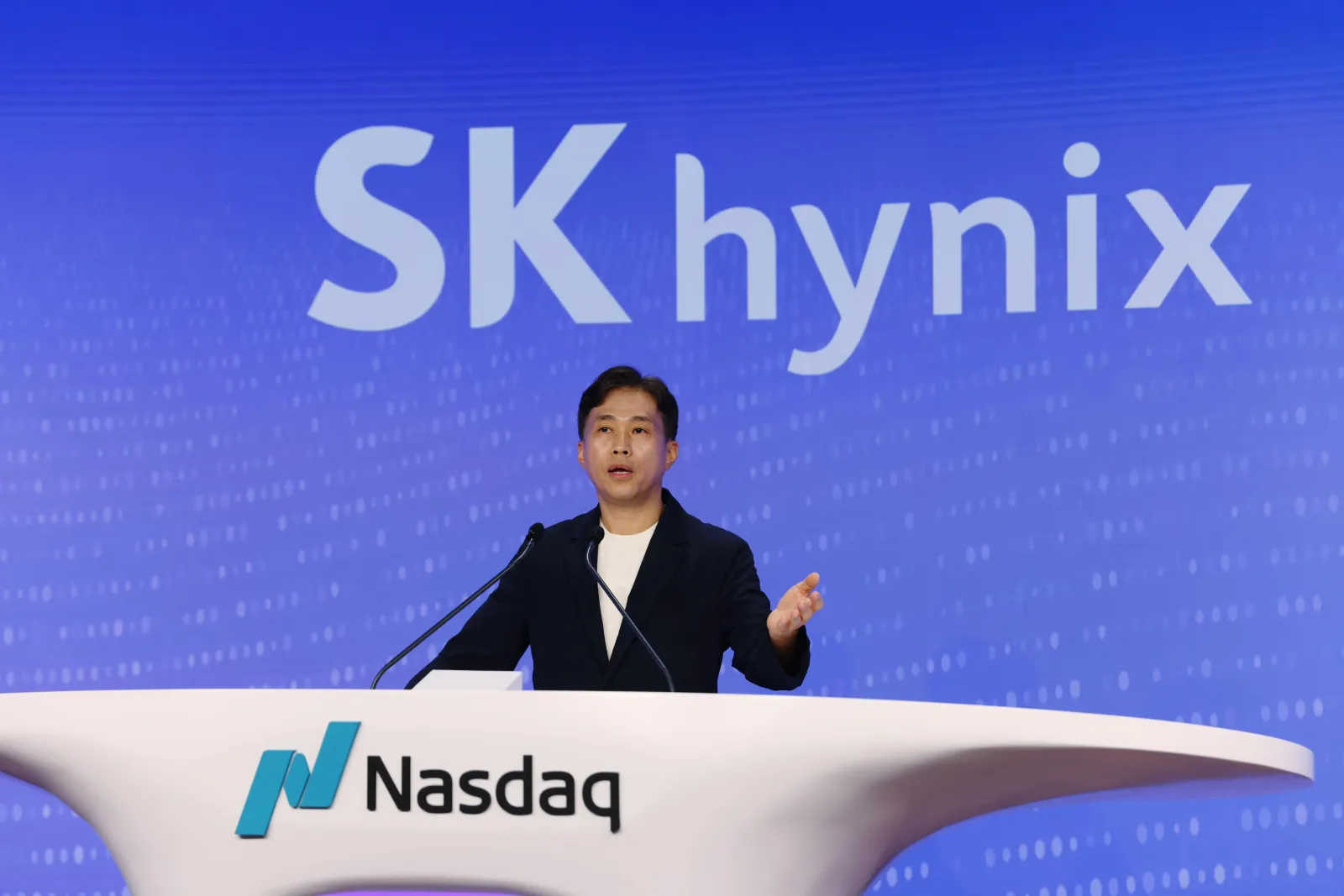
SK Hynix opens at $170, raises $26.5B, and tops foreign IPO records
In Friday's Wall Street debut, SK Hynix turns AI RAM demand into a $26.5B fundraising moment that rewrites comps.