

Kalshi CEO Tarek Mansour says insider trading is harder to catch in stocks than prediction markets
Mansour argues event contracts make suspicious trades more direct, while traditional stock signals get messy.

Kalshi CEO Tarek Mansour, in an interview with lawyer Max Raskin published in the Washington Post on Sunday, said insider trading is easier to detect in prediction markets than in the stock market. For decision-makers watching how regulators may treat Kalshi and similar platforms, his framing clarifies the core evidentiary problem lawmakers are circling.
Kalshi CEO Tarek Mansour says catching insider trading is fundamentally easier in prediction markets than in the traditional stock market. In an interview with lawyer Max Raskin published in the Washington Post on Sunday, Mansour argued that stock-market wrongdoing can be “hard” to prove because the information path is broad and noisy, while prediction markets are “very direct” and “very noiseless.” That distinction matters because it goes right to the heart of the biggest criticism prediction markets face: that they create a new playground for insiders.
Mansour’s core example is simple and brutal. In stocks, you might have a piece of information like “a certain product is going to be released,” and then you buy shares. The problem, he said, is that this information can be interpreted in many ways and acts through many channels. It is not just one predictable event. It is “very broad,” which makes it harder to connect a suspicious trade to a specific inside tip. In prediction markets, by contrast, the wager is tied to a discrete event contract, so the same kind of insider information translates into a straightforward bet on that outcome.
This is why Mansour says the guardrails Kalshi is tightening are aimed at appeasing lawmakers who are unconvinced. He said it is easy to see how a piece of information can lead to an unfairly profitable trade on Kalshi, because bad actors can place money directly on event contracts betting that a product will be released. Mansour also framed insider trading as posing a bigger threat to the stock market than to prediction markets. That stance is notable, because the political debate has tended to run the other direction, treating prediction markets as the more suspicious innovation.
The interview comes with a real-world test case hanging over Kalshi: former New York Rep. George Santos. Mansour discussed Santos being accused of insider trading on Kalshi and said, “there will be fraudsters in any system,” but Kalshi is working on catching them “super fast.” Santos is under investigation by the Justice Department and the Commodity Futures Trading Commission after Kalshi flagged unusual trades tied to his attendance at the State of the Union address in February. In other words, the platform is not talking in theory about detection. It is describing how suspicious activity gets identified in response to concrete triggers, and it is doing so in public just as regulators scrutinize the entire category.
Kalshi itself is built around event contracts, where people bet on outcomes of events that range from pop culture to politics. That structure is what Mansour says makes the insider trading story different. If the market is betting on a specific outcome, then trades can be evaluated relative to that outcome rather than relative to broader market movement. The question for executives and boards is whether that evaluation framework will satisfy lawmakers and regulators, or whether they will treat prediction markets as inherently easier to game, regardless of how “direct” the contracts are.
To combat the fears of insider trading, Kalshi has put in place several guardrails. The source names requirements such as requiring traders to submit employment verification before trading, and making it easy for whistleblowers to flag suspicious behavior. Those are not just customer-protection features; they are compliance tools meant to create a paper trail and faster reporting. The reason this is a board-level issue is that platforms like Kalshi operate at the boundary between financial markets and bet-like mechanisms, and that boundary drives how aggressively regulators respond. When lawmakers are unhappy, the fix is rarely limited to one company. The policy pressure can sweep in entire business models.
And lawmakers clearly are pushing. The source says numerous lawmakers have slammed the markets and proposed several bills to ban or limit their activities. It also cites Minnesota Gov. Tim Walz, who in May signed off on a statewide ban on the markets. That kind of legislative momentum changes the stakes fast for anyone in trading-adjacent fintech. Even if a company argues that its detection is better than what exists in public markets, the political system may still decide to restrict the product because it is new, unfamiliar, and easy to characterize as risky.
For executives weighing partnerships, investments, or internal initiatives that touch prediction markets, the second-order takeaway is straightforward. Mansour’s argument is not only about insider trading detection. It is about the story regulators tell when they decide what category of oversight to apply. If they believe the event-contract structure can expose insiders in a more traceable way, they may demand tighter controls. If they instead decide prediction markets create an unacceptable incentive landscape, then even “super fast” detection and verified-trader procedures may not be enough. Either way, the boardroom question is: are you building a compliance narrative that survives political skepticism, or are you assuming the technicalities will carry the day?
This story's Key Insights and Take-aways are locked.
Create a free account to unlock Executive Actions for one credit.
Register to UnlockAlways free for Executives Club members. Join the Club
More in Business
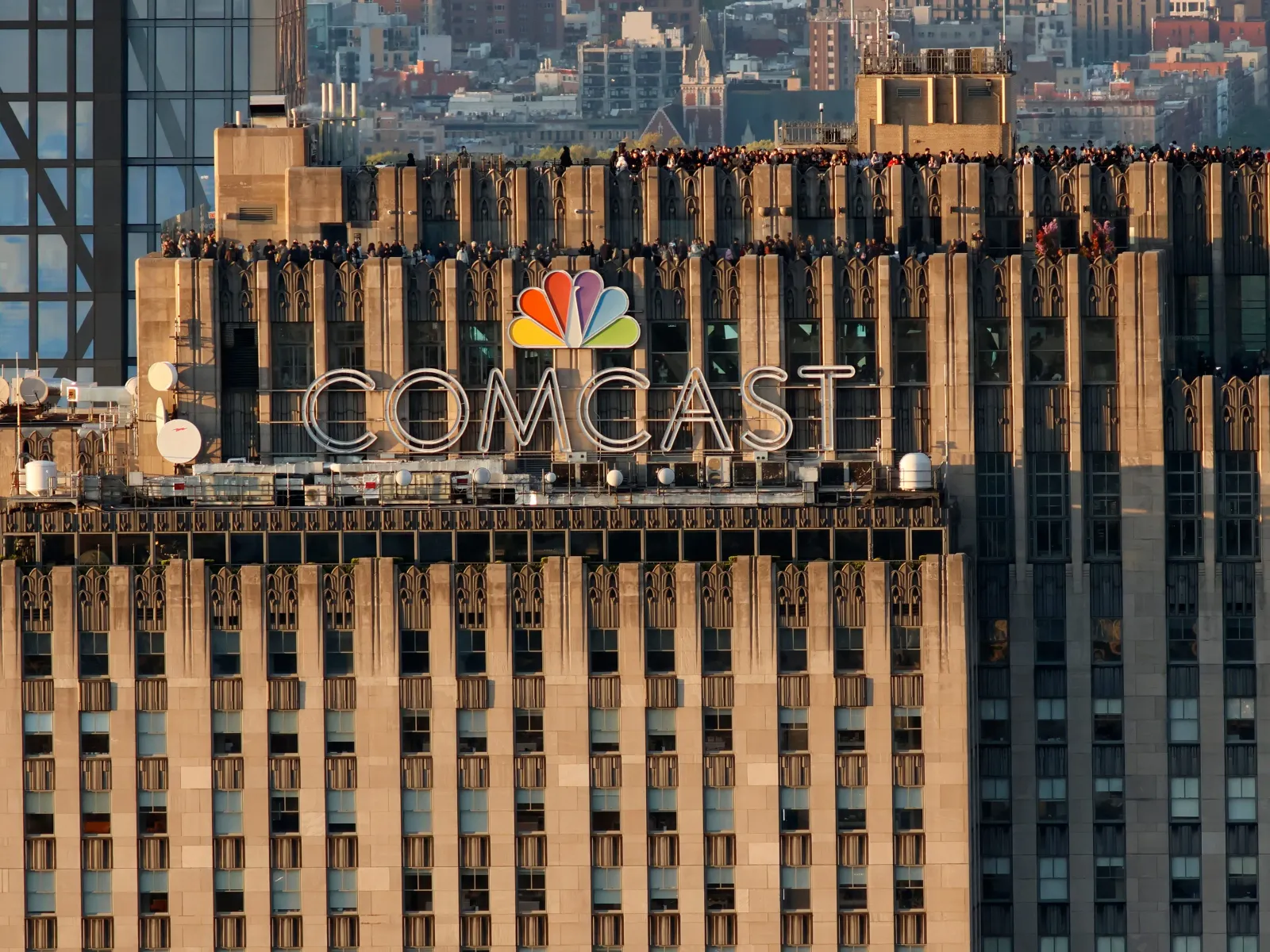
Comcast shares jump 25% as it plans to split NBCUniversal and Sky
The tax-free spin-off could reshape focus, funding, and competition across media and tech for years.

Bungie cuts most Destiny 2 staff as Sony says Marathon still matters
Herman Hulst confirms layoffs affecting most Destiny and some Marathon teams after Bungie admits Destiny fell short.

SK Hynix jumps 11% after seeking up to $29.4B in Nasdaq listing
The chip giant filed for a Nasdaq listing plan that could raise $29.4 billion, instantly reshaping investor expectations.