

Kane Williamson ends New Zealand international career mid-series with England
The all-time leading run-scorer retires immediately, forcing New Zealand to rework leadership and lineup before the next match.
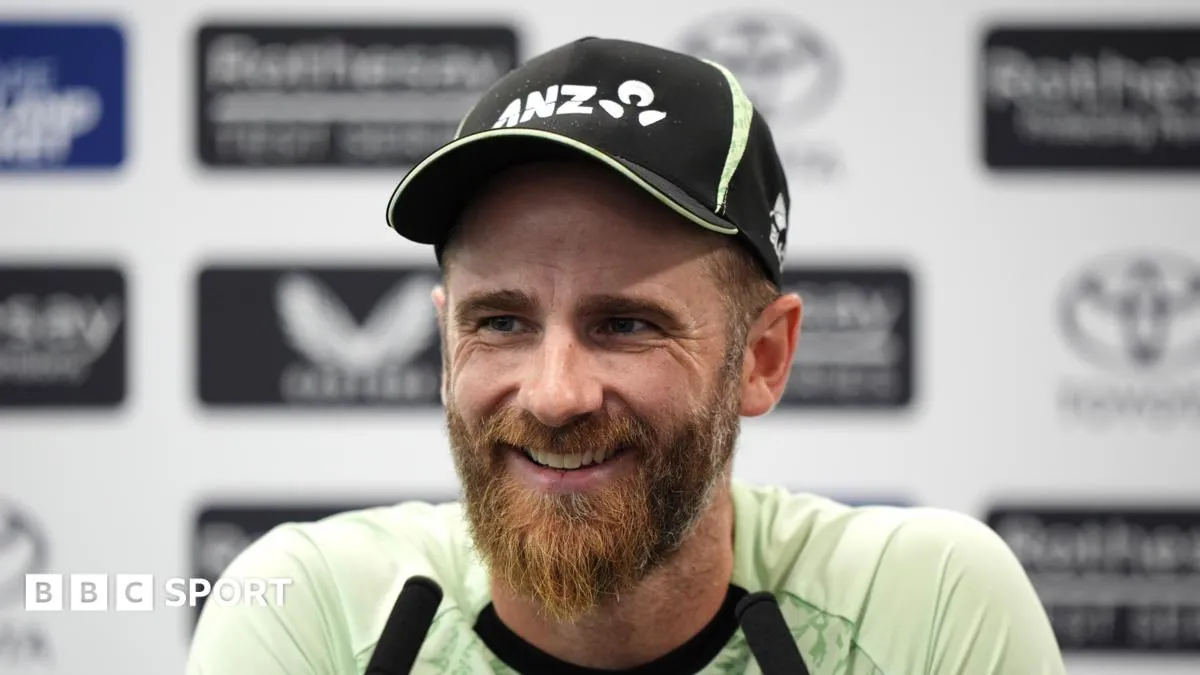
Kane Williamson, former New Zealand captain and the country's all-time leading run-scorer, has retired from all international cricket with immediate effect. For decision-makers, his sudden exit reshapes team structure, captaincy planning, and near-term competitive expectations.
Kane Williamson - New Zealand's all-time leading run-scorer and former captain - has ended his international cricket career immediately, even as New Zealand's series with England is underway. The announcement is straightforward in one sense, but it carries big operational weight for a touring side that needs to plan in real time.
When a star player retires mid-series, the headline moment is obvious. The deeper question is how quickly a team can convert the news into match-ready decisions. In this case, Williamson is stepping away from all international cricket right now, which means New Zealand cannot simply wait for the series to finish before adjusting roles. The team has to respond while the immediate competition is still running.
To understand why this matters beyond cricket trivia, zoom out to how international cricket works. Teams tour with structured plans around batting order, bowlers' workloads, and tactical matchups. Those plans are not like rotating a roster in a league season where you have a long runway. International series are condensed and the margin for error is thin. That makes a mid-series retirement a classic “constraint shock” problem: the schedule stays the same, but the input changes instantly.
Williamson's specific position in New Zealand cricket raises the stakes for that planning. He is not just another player. He is described in the BBC Sport report as his country's all-time leading run-scorer and a former captain. Those details are not just legacy markers; they indicate he has been central to how New Zealand builds innings, how it manages pressure, and how it organizes leadership on the field. When someone with that profile steps away immediately, it can force the team to redistribute responsibility quickly, including who anchors a chase, who handles key phases, and who becomes the on-field decision center.
From an organizational perspective, consider what boards, selectors, and coaches usually try to do in international squads: balance short-term performance with long-term pipeline development. The best-case scenario is that a retirement happens on a predictable timeline so the squad can phase in replacements. But this announcement cuts against that ideal by happening “with immediate effect” during an ongoing series. Even if the team had talent ready, the timing changes how those players are exposed, and it changes how much coaching bandwidth and communication must be devoted to role transitions.
There is also a leadership dimension that extends beyond the boundary rope. Captains in international cricket are often expected to manage the game state, communicate tactics, and steady the group when momentum swings. Williamson's status as a former New Zealand captain signals he has likely contributed those leadership qualities before, and his exit now removes an experienced reference point. That can create a vacuum that is not filled overnight, which is why the immediacy is so consequential.
For peers watching this, the strategic implication is simple: careers can end abruptly, and even the most established plans have to be resilient to real-world human decisions. Teams and their management groups typically build continuity assumptions around incumbents. Williamson's retirement is a reminder that continuity is not guaranteed. When your structure relies on a single high-impact figure, governance and coaching processes need contingency thinking so that the team can reorganize quickly, even if the plan breaks.
Finally, this moment also speaks to the broader reality of elite sport. An all-time leading run-scorer retiring from all international cricket with immediate effect is a reminder that personal choices can override competitive calendars. New Zealand now has to carry forward without him in the most immediate setting possible: the match environment already in motion. For anyone involved in building teams, funding academies, or steering leadership pipelines, the lesson is not just that great players matter. It is that the systems around them must be ready for the day they do not.
This story's Key Insights and Take-aways are locked.
Create a free account to unlock Executive Actions for one credit.
Register to UnlockAlways free for Executives Club members. Join the Club
More in Entertainment

Russell Brand's accuser 'bewildered and confused' as he denies 7 sex charges
The criminal case against the comedian is a live test of how media companies manage talent risk when serious allegations go public.

'It's a Magic Trick': Ballet Experts Say Rosalía's SNL Pose Is Impossible
Three ballet experts tell Rolling Stone Rosalía's gravity-defying SNL stillness shouldn't be possible - and why the debate is now part of the show.

Activision CMO: GTA 6 Will Boost Call of Duty, Not Bury It
Activision's top marketer says Rockstar's blockbuster will drive players back to consoles and into Modern Warfare 4, even as the company admits its recent strategy failed.