

Kanya King, who mortgaged her house, dies after building the Mobo Awards
Her death at 57 closes a 30-year chapter in black music visibility, reminding founders and boards how much conviction can move culture.
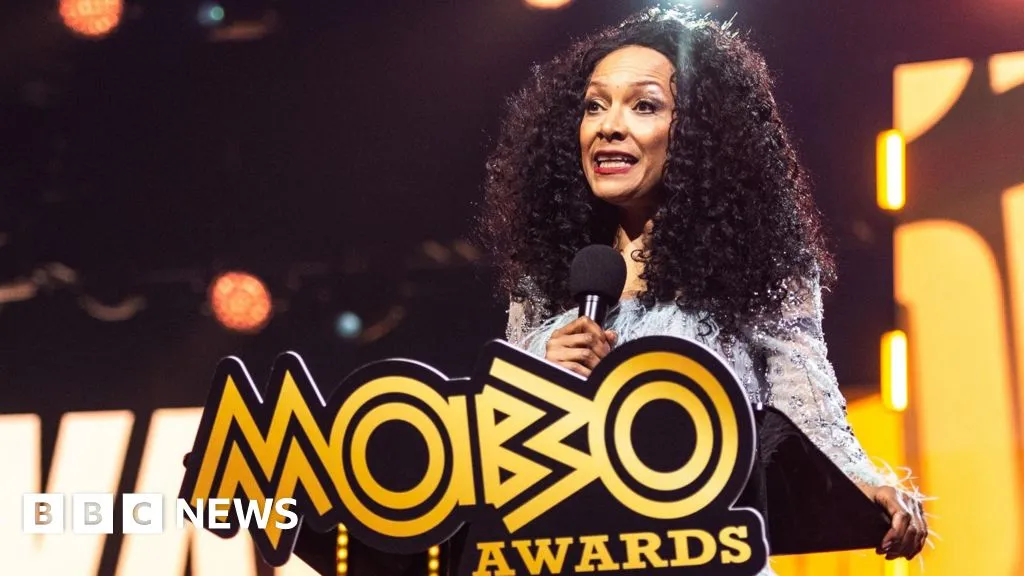
Kanya King, who founded the Mobo Awards to champion black music, has died at 57 after overcoming doubters and mortgaging her house to launch the ceremony 30 years ago. Her story is a blunt reminder for executives that cultural institutions often start as high-risk bets, and that early backing decisions can shape who gets seen, rewarded, and remembered.
Kanya King, the founder of the Mobo Awards, has died at 57. The BBC says she launched the influential ceremony 30 years ago to champion black music, and did it after overcoming doubters and mortgaging her house. That is the whole arc in one sentence: a founder took personal financial risk, built a platform that lasted three decades, and helped change who the industry had to pay attention to.
The detail that matters most for anyone who runs a company, fund, label, or media property is not just that King died young. It is that the Mobo Awards were not born from consensus, institutional support, or a safe budget line. They came from conviction. King had to push past skepticism and put her own home on the line to make the ceremony real. In business terms, that is a founder-level wager with actual collateral, not the casual kind of risk people like to romanticize after the fact. The BBC's report is sparse, but the signal is clear: one person's willingness to absorb downside can create an institution big enough to outlast the original bet.
That matters because awards are not just trophies, they are attention infrastructure. They decide who gets staged, broadcast, covered, booked, and remembered. In entertainment, and especially in music, visibility is power. If a ceremony becomes influential enough, it can alter career trajectories, shape public taste, and give a platform to artists who might otherwise be overlooked by more established gatekeepers. King's project was explicitly about championing black music, which means its existence sat at the intersection of culture and business: representation on one side, commercial recognition on the other. For executives, that is the part to notice. The value was never only symbolic. It was market-making.
The fact that King had to mortage her house to launch the awards also says something about how new categories get built when institutions move slowly. Early-stage creative ventures often struggle to get support because the upside is hard to quantify and the audience may not yet be fully visible to decision-makers. Historically, that is when founders either persuade the market or self-fund until proof appears. King's story fits that pattern. She faced doubters, but the ceremony survived long enough to become influential, which suggests the original idea was not a vanity project. It was an answer to a real gap in the industry.
For peers in media, entertainment, and consumer brands, the strategic lesson is uncomfortable but useful: the people who create durable cultural platforms are often the ones willing to accept short-term financial pain for long-term relevance. In a world where everyone wants immediate metrics, King built something that took time to matter. That does not mean every risky founder bet turns into a landmark institution, and it certainly does not mean mortgaging personal assets is a sound default strategy. It does mean that when a mission is strong enough, capital structure and conviction can become inseparable. The source does not give us corporate balance sheets or boardroom drama, but it does give us the classic founder formula: belief first, validation later.
Her death at 57 also gives the industry a moment to reckon with how much of its progress depends on individuals willing to do the hardest part before anyone agrees it is worth doing. The Mobo Awards existed because King pushed through resistance and kept going for 30 years. That should matter to anyone building in underrepresented markets, whether the product is an awards show, a platform, a startup, or a brand. The lesson is not that every founder should gamble their house. It is that some of the most consequential companies and institutions begin as lonely, fragile ideas, and the first obstacle is often not competition but disbelief. King's life, as described by the BBC, is proof that one person can turn that disbelief into something the industry cannot ignore.
This story's Key Insights and Take-aways are locked.
Create a free account to unlock Executive Actions for one credit.
Register to UnlockAlways free for Executives Club members. Join the Club
More in Entertainment

Christopher Nolan’s “The Odyssey” posts his biggest Tuesday haul, surpassing “The Dark Knight’s” record
The film’s Tuesday breakout reframes Nolan’s box-office ceiling and forces competitors to rethink timing, budgets, and release strategy.

Kacey Musgraves cancels Aug. 20, 29, Sept. 2 Middle of Nowhere shows
Ticketmaster emails are telling fans refunds are coming, while the tour still starts Aug. 21 in Chicago.

Billie Joe Armstrong launches Epiphone Les Paul Junior and Marshall 1959BJA signature gear
Two limited releases turn decades of Green Day’s tone into branded hardware, including Marshall’s first artist amp in 14 years.