
KCD2 Director Defends DLSS 5 as 'Original Artistic Vision' Amid Uncanny Valley Backlash
The former Warhorse creative director's defense of Nvidia's neural rendering could sway studio adoption, but player trust hangs in the balance.
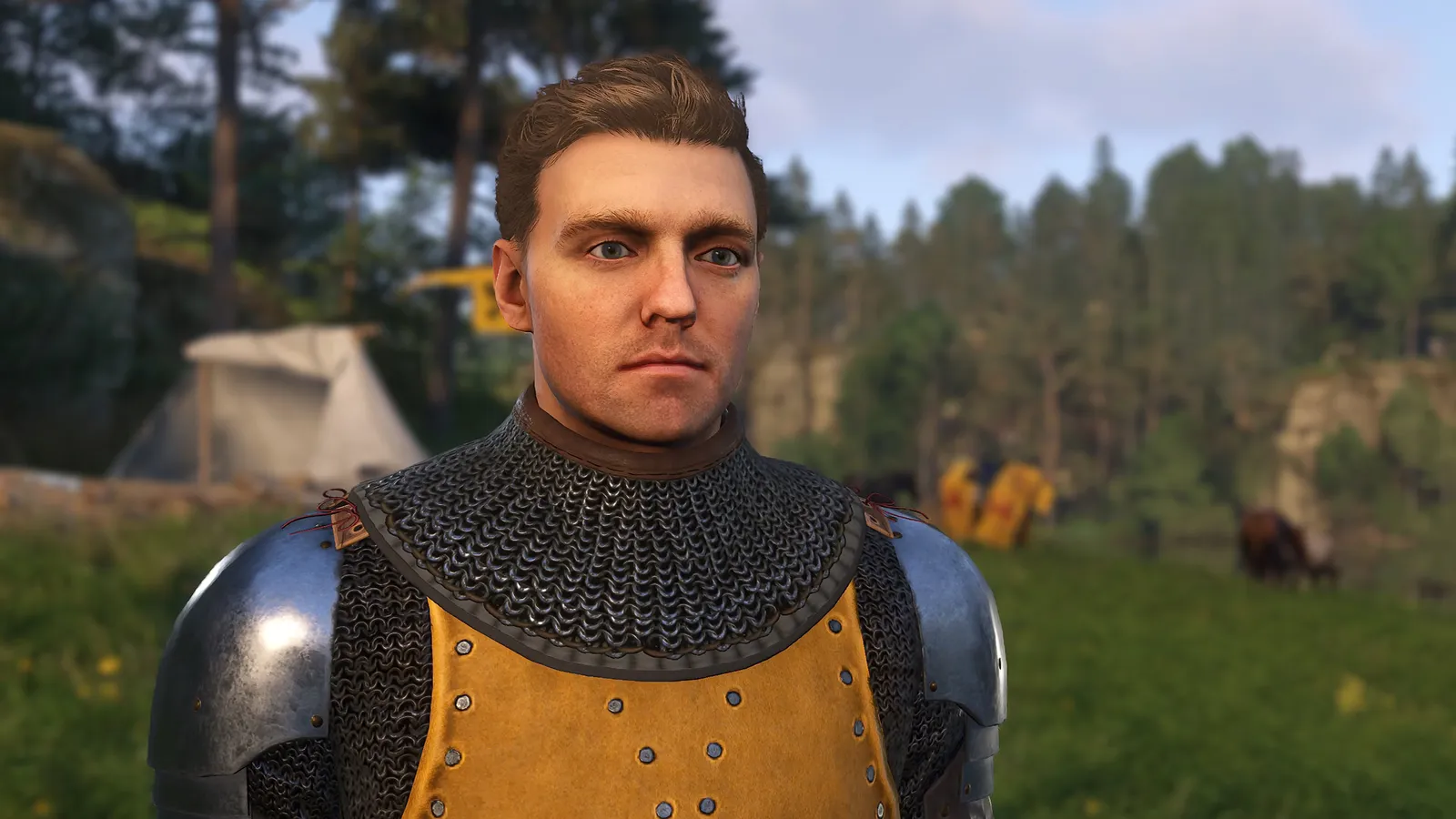
Daniel Vávra, former creative director at Warhorse Studios, defended DLSS 5's character lighting in Kingdom Come: Deliverance 2 as an 'excellent photorealistic upgrade' despite widespread uncanny valley criticism. His public stance highlights the tension between AI rendering's technical promise and player perception, a signal for studios weighing DLSS adoption.
Daniel Vávra, the former creative director at Warhorse Studios, is publicly pushing back against the backlash to Nvidia's DLSS 5, calling it an "excellent photorealistic upgrade to the character lighting model" in Kingdom Come: Deliverance 2. In a series of posts on X, Vávra defended the AI-driven neural rendering technology, which has been under fire since its controversial reveal in March 2026 for applying an "uncanny valley" filter that altered characters' faces. His defense lands as leaked footage and screenshots of DLSS 5 flood the internet, reigniting a debate that pits technical fidelity against artistic intent.
DLSS 5 is Nvidia's latest iteration of Deep Learning Super Sampling, a real-time neural rendering model that uses AI to generate frames and enhance visual detail. The March reveal drew immediate criticism from players and critics who said the technology made characters look eerily artificial, a classic uncanny valley effect. The leak, which Vávra referenced in his posts, has amplified those concerns, with videos and photos circulating across social platforms. Vávra, however, argues that the technology actually brings the game closer to its "original artistic vision," a claim that directly challenges the prevailing narrative.
For executives in gaming and adjacent industries, this is more than a graphics squabble. It is a case study in how AI-driven tools can create value and risk simultaneously. Nvidia has bet heavily on DLSS as a selling point for its GPUs, and game studios increasingly rely on upscaling to hit performance targets on high-resolution displays. But the uncanny valley backlash shows that technical improvements do not automatically translate to player satisfaction. Vávra's willingness to defend DLSS 5, despite his departure from Warhorse, signals that some developers see AI rendering as a creative tool, not a compromise.
The stakes extend beyond Kingdom Come: Deliverance 2. Every studio evaluating DLSS 5 or similar neural rendering models must now weigh the performance gains against the risk of alienating their audience. The leak-driven discourse demonstrates how quickly community sentiment can turn, and how a single high-profile voice can shape that sentiment. Vávra's credibility as the creative mind behind a beloved RPG gives his defense weight, but it also highlights a growing split among developers over how aggressively to adopt AI in the creative pipeline.
From a business perspective, the controversy underscores the importance of managing player expectations. When a technology changes the look of characters, even subtly, it touches the emotional core of a game. Players form attachments to digital faces, and any alteration can feel like a betrayal. Studios that deploy DLSS 5 without clear communication risk a PR firestorm, while those that frame it as an enhancement to the original vision, as Vávra does, may find a more receptive audience. The key is transparency: explaining what the technology does, why it is being used, and how it serves the artistic direction.
For boards and C-suites, the lesson is to treat AI adoption as a stakeholder management exercise, not just a technical upgrade. The uncanny valley is not a bug; it is a perception gap that can be bridged with thoughtful messaging. Vávra's posts are a masterclass in reframing: he does not deny the change, he redefines it as a positive. That approach, backed by data and player feedback, could be the difference between a successful rollout and a reputational hit.
Ultimately, the DLSS 5 debate is a preview of the broader AI reckoning in creative industries. As neural rendering becomes more powerful, the line between enhancement and alteration will blur. Studios that learn to navigate this terrain, balancing technical ambition with audience trust, will set the standard. Vávra's defense is an early signal that the industry is not retreating from AI, but it is also a reminder that every technological leap carries a human cost that must be managed with care.
This story's Key Insights and Take-aways are locked.
Create a free account to unlock Executive Actions for one credit.
Register to UnlockAlways free for Executives Club members. Join the Club
More in Technology

Google quietly links your phone number to every Android account on your SIM
Adding a SIM now ties your phone number to all Google accounts - and future accounts inherit it. Here's the security and privacy stakes.

Hijacker AI 'Skynet mode' runs 100,000 attack steps against exposed models
Symantec caught a criminal AI agent that borrows other models, steals data, and mines crypto; the only relief is no confirmed victims yet.

Nvidia's AI-financier shift faces its first big test as neoclouds stumble
A rout in neocloud stocks is forcing investors to weigh Nvidia's hidden exposure as both supplier and lender to the AI buildout.