
Keanu Reeves lines up for a new Lego movie with Toy Story 4 director Josh Cooley
Universal is backing the untitled Lego adventure, reuniting Reeves and Cooley after Toy Story 4's Duke Caboom role.
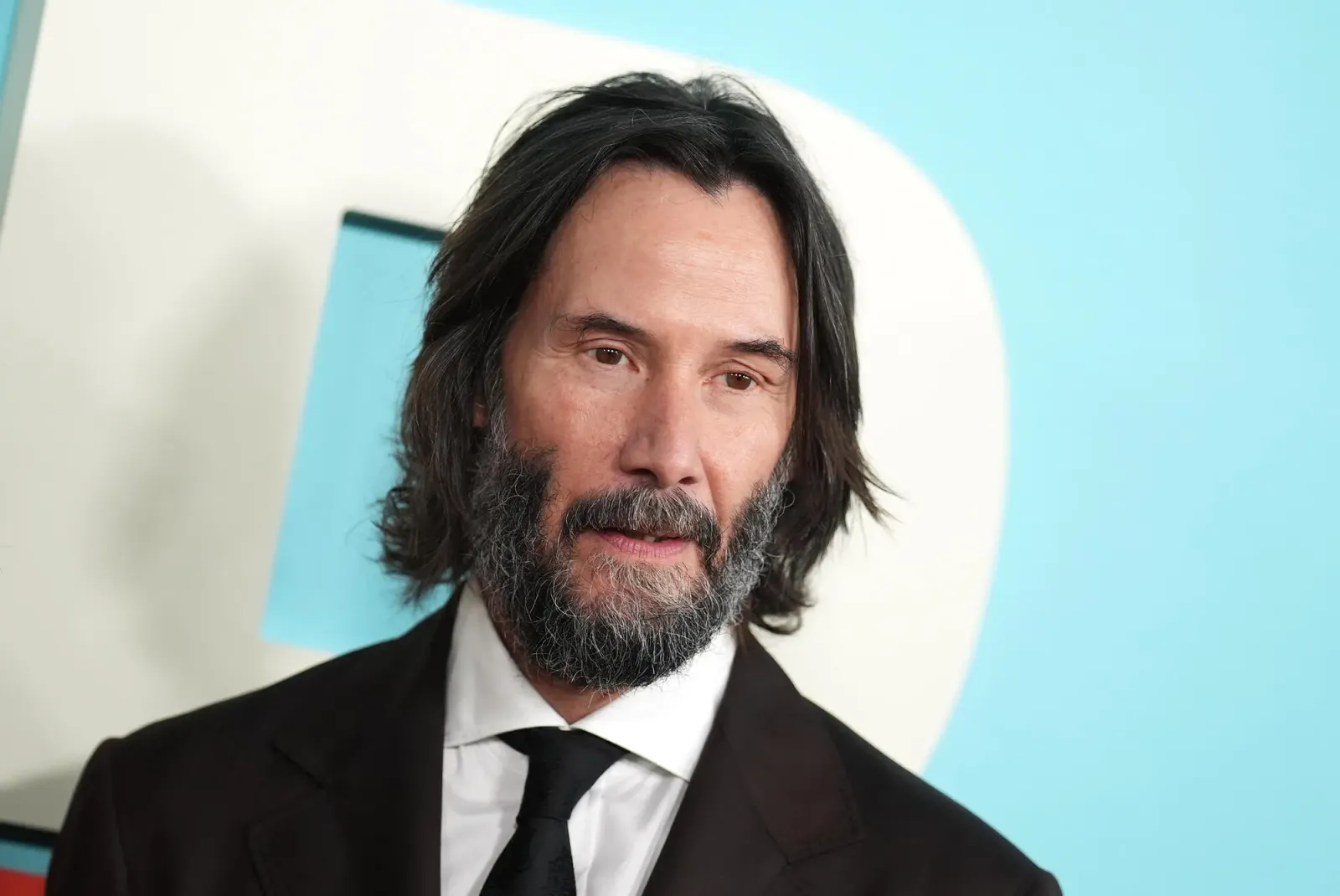
Keanu Reeves is circling the lead role in an untitled new Lego movie directed by Josh Cooley, the director of Toy Story 4. Universal is backing the project, though Universal declined to comment.
Keanu Reeves is reportedly circling the lead role in a new, untitled “Lego” movie from “Toy Story 4” director Josh Cooley. That alone is enough to move the needle in a business where recognizable talent is often the product. But the more interesting part is the reunion: Reeves and Cooley previously crossed paths on Toy Story 4, where Reeves voiced the stuntman action figure Duke Caboom.
The project is being backed by Universal, the studio behind the distribution muscle that can turn a creative pitch into a global box office event. Universal declined to comment, so the story lives in the space between “in talks” and “greenlit,” which is exactly where deal dynamics and strategy decisions usually happen. In other words: the facts we have are limited, but the stakes are not.
To understand why decision-makers should care, zoom out to how the modern animated franchise machine works. Studios do not just fund movies, they fund ecosystems: brand recognition, repeatable character merchandising, and international audience reach. “Lego” has long been more than a toy line, it is a cultural shorthand for an improv-friendly universe where kids and adults both show up for different reasons. Universal backing signals the studio views the property as more than a one-off. Even without a confirmed title or full cast, that kind of support typically means the financial logic has already been stress-tested internally.
Then there is Cooley, whose involvement matters because he is coming off directing “Toy Story 4.” That franchise is a benchmark for Pixar-style storytelling within a big-company system, and it also demonstrated how to revive audience emotion without blowing up brand DNA. When a director with that track record shifts to another tentpole brand like “Lego,” it can read as a bet that narrative craft and franchise structure are transferable skills. Again, Universal declined to comment, but studios usually do not stack “proven voice talent” with “proven animation director” unless they believe the package can translate.
Reeves adds a specific kind of market value that is hard to replicate with generic casting. He is instantly recognizable across mainstream audiences, and his voice role as Duke Caboom ties this new project to the already-familiar Toy Story universe. That matters because voice casting can influence international marketing and the way trailers land. A stuntman figure in Toy Story 4 is not the same thing as a lead role in a “Lego” adventure, but the through-line is credibility: audiences know Reeves brings energy to animated characters, and studios know he can hold attention.
There is also a second-order implication here for how boards and executive teams think about risk. At this stage, the project is “untitled” and Universal has not commented, which means approvals and contracts are likely still being negotiated. That uncertainty is normal, but it changes how leadership should read the situation. Rather than treating this as a fully finalized product, executives should treat it like a pipeline signal: Universal is actively assembling a high-profile creative stack. When that happens, it can affect internal resource allocation, competitor expectations, and even how talent negotiations elsewhere play out.
One more angle: the “declined to comment” detail tells you something about the information environment. In entertainment, silence is often a protective tactic, especially when deals are still forming. Studios manage announcements to avoid premature reactions from talent, partners, and marketers. That has strategic value because early headlines can pressure timelines, complicate scheduling, and compress bargaining leverage. The fact that the story is already out means the project has likely reached a visibility threshold, but Universal still wants control over what it confirms and when.
So what is the stake for peers in adjacent roles, meaning other studios, brand owners, investors, and production leadership? It is simple: the “Lego” pipeline is being treated as a serious tentpole, and the talent pairing being teased here suggests Universal is prioritizing mainstream pull plus creative credibility. If Reeves ultimately joins and Cooley directs, the project becomes a high-visibility contest for audience attention in a crowded release calendar. And for executives watching from the sidelines, the bigger lesson is how franchises get re-optimized: studios combine brand familiarity, director track record, and recognizable voice talent, then let the market do the rest.
This story's Key Insights and Take-aways are locked.
Create a free account to unlock Executive Actions for one credit.
Register to UnlockAlways free for Executives Club members. Join the Club
More in Entertainment

Russell Brand's accuser 'bewildered and confused' as he denies 7 sex charges
The criminal case against the comedian is a live test of how media companies manage talent risk when serious allegations go public.

'It's a Magic Trick': Ballet Experts Say Rosalía's SNL Pose Is Impossible
Three ballet experts tell Rolling Stone Rosalía's gravity-defying SNL stillness shouldn't be possible - and why the debate is now part of the show.

Activision CMO: GTA 6 Will Boost Call of Duty, Not Bury It
Activision's top marketer says Rockstar's blockbuster will drive players back to consoles and into Modern Warfare 4, even as the company admits its recent strategy failed.