

Keselowski vs Hamlin: NASCAR’s manufacturer war moves from garage to boardroom
The two top drivers see the same fight through different boardroom lenses, and decision-makers should care.
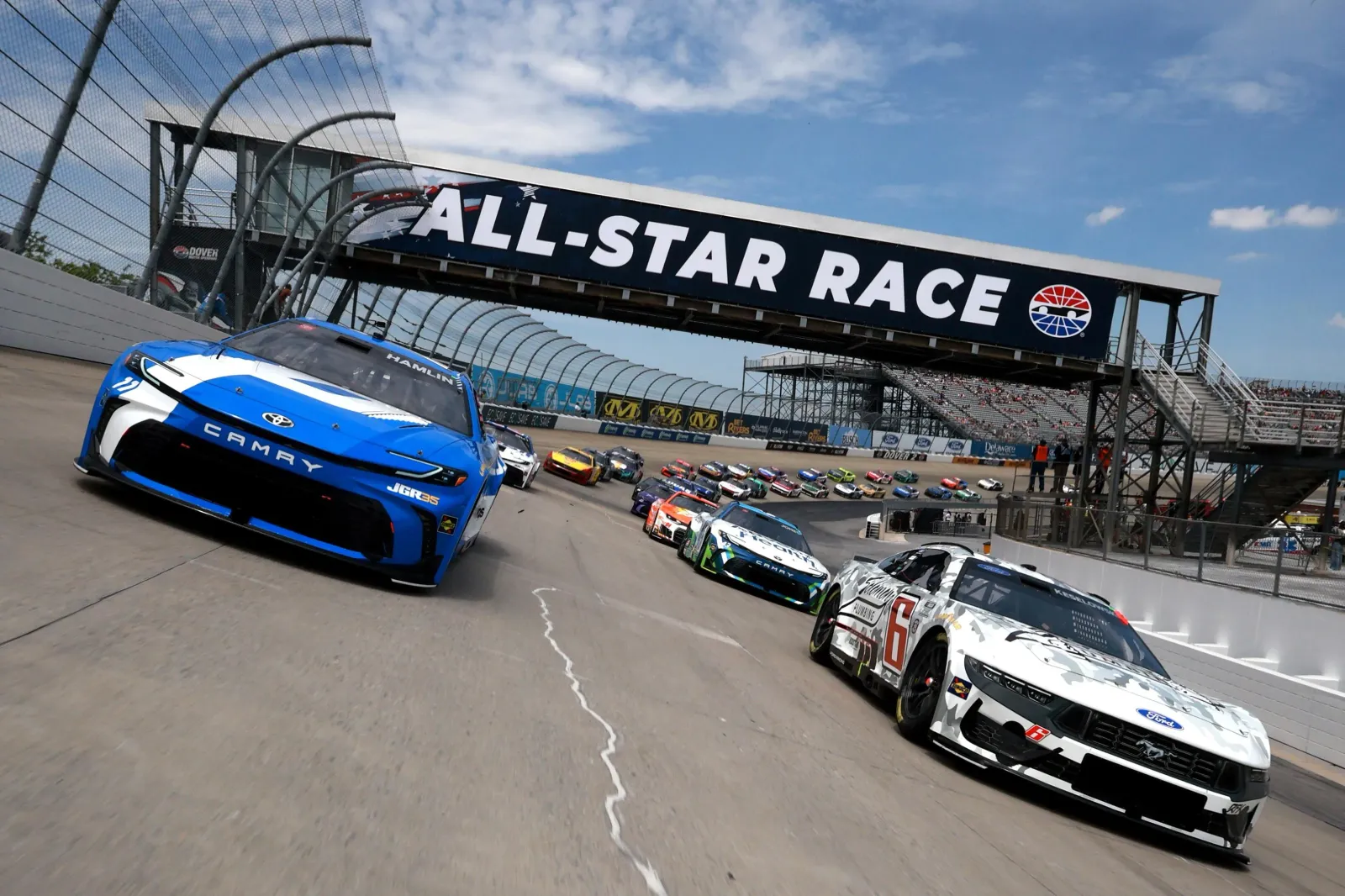
Brad Keselowski and Denny Hamlin offer competing takes on whether NASCAR's competitive edge has shifted from the garage to the boardroom. For leaders in sports and media businesses, the dispute signals where resource allocation, governance, and long-term strategy may now be won.
NASCAR’s competitive advantage may be moving beyond the garage, and Brad Keselowski and Denny Hamlin disagree about how much. In other words, the “manufacturer war” is no longer just about who has the better car package, faster pit calls, or smarter track setup. It is also about who wins the broader business decisions that shape what teams can build, what partners can invest, and what manufacturers can justify over multiple seasons.
Both executives are framed here as offering very different answers to the same question: has the advantage moved from the shop floor to the boardroom? That is the crux, and it matters because if the real edge is shifting to governance, partnerships, and capital commitments, then the people running companies and major programs have to think differently. They would not be buying only performance. They would be buying durability, platform stability, and the ability to sustain engineering cycles when margins tighten and attention shifts. NASCAR, like other sports ecosystems, is increasingly complex: teams, sponsors, manufacturers, and governing bodies all have incentives that do not always align on day one. When the advantage is concentrated in one part of the system, strategy follows the concentration.
So what does “boardroom” actually mean in a NASCAR context? Start with what the manufacturer war implies. Manufacturers are not just providing parts. They are making long-horizon commitments to teams and to the visibility that NASCAR delivers. That means board-level decisions about budgets, partnership structure, and risk tolerance can end up determining how much talent gets retained, how much testing gets done, and how quickly development can respond to new constraints. In contrast, garage-level advantages are more tactical and time-bound: improvements are often visible quickly on track, but they can also get copied. When the system shifts, the competitive edge becomes less about one dominant upgrade and more about the organizational capacity to keep upgrading under pressure.
Keselowski and Hamlin’s disagreement is a reminder that this transition is not a settled question. If the advantage really lives in the boardroom, then the competitive outcome depends on how leadership teams coordinate across functions that do not usually answer to the same “finish line.” Marketing teams want storylines and sponsor value. Engineering wants data and runway. Legal and compliance teams want certainty and clean contracting. Manufacturers want measurable returns in brand terms, and they want to protect that return when regulations, schedule changes, or competitive parity initiatives shift the ground beneath them.
And NASCAR, like many motorsports properties, sits at the intersection of performance and regulation. NASCAR’s rules and competitive structures act like the playbook for everyone at once. But rules changes can have different effects depending on where your advantages are strongest. A team that can move quickly in the garage can sometimes adapt faster to new constraints. A manufacturer that can commit capital, negotiate terms, and sustain a multi-year strategy can sometimes create a buffer that makes adaptation possible even when the season gets volatile. That is the deeper reason this “boardroom vs garage” question is not academic. It influences how organizations plan, how they structure incentives, and how they evaluate which risks are worth taking.
There is also a second-order implication for decision-makers: disputes like this highlight how narratives themselves can drive allocation. If leaders believe the advantage is primarily in the boardroom, they may shift budget toward partnership management, technology alliances, and long-term engineering platforms. If they believe it is still mostly in the garage, they may prioritize hiring, simulation development, and day-to-day operational excellence. Either approach can be rational, but the wrong bet can leave an organization underpowered where the fight actually is. Boardroom decisions can lock in capabilities, but garage decisions can determine whether those capabilities show up in results.
For executives and investors watching NASCAR’s ecosystem, the practical question is not only “where is the advantage?” It is “what does that mean for how we measure competitiveness?” In a garage-first model, measurement is often immediate and performance-oriented: speed, reliability, execution. In a boardroom-first model, measurement expands to include partner strength, governance effectiveness, and the ability to fund development through cycles. Brad Keselowski and Denny Hamlin’s very different answers to whether NASCAR’s advantage has moved beyond the garage signal that the sport’s competitive logic is evolving, and that leadership teams should treat strategy as both operational and structural. The stakes are simple: in a manufacturer war, whoever controls the platform controls the future, and whoever waits too long can get outspent, outlasted, or out-organized.
This story's Key Insights and Take-aways are locked.
Create a free account to unlock Executive Actions for one credit.
Register to UnlockAlways free for Executives Club members. Join the Club
More in Business

BioWare shuts down, Mass Effect 5 dead after $55B EA buyout
The legendary RPG studio's closure lands months after a $55 billion investment group buyout of EA, raising tough questions for gaming's biggest acquirers.
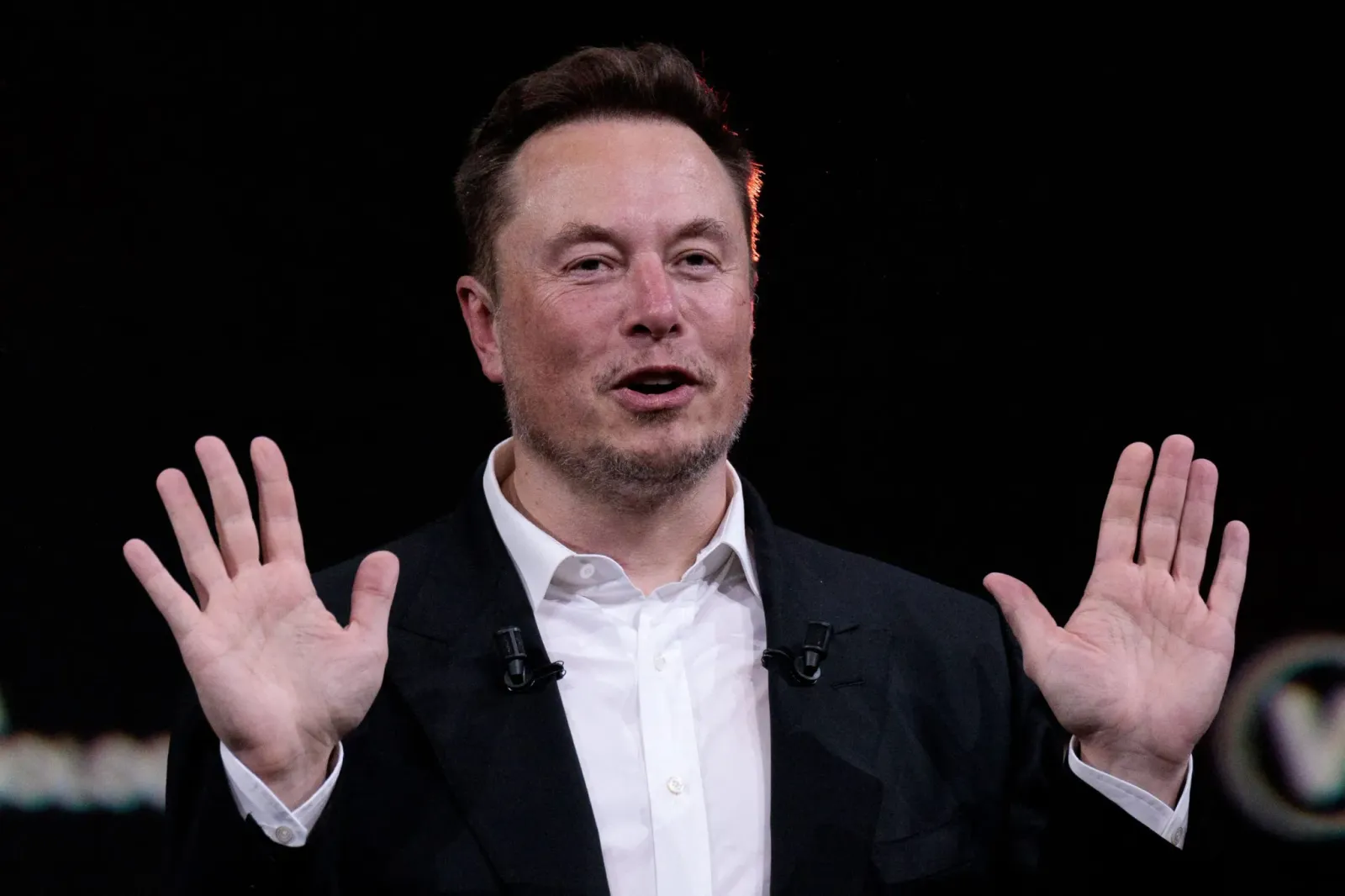
Musk barred from the room as Tesla, SpaceX boards weigh $3.5 trillion merger
The CEO of both companies is a 'conflicted party' watching independent directors negotiate a tie-up that would create a $3.5 trillion giant he would own about a third of.
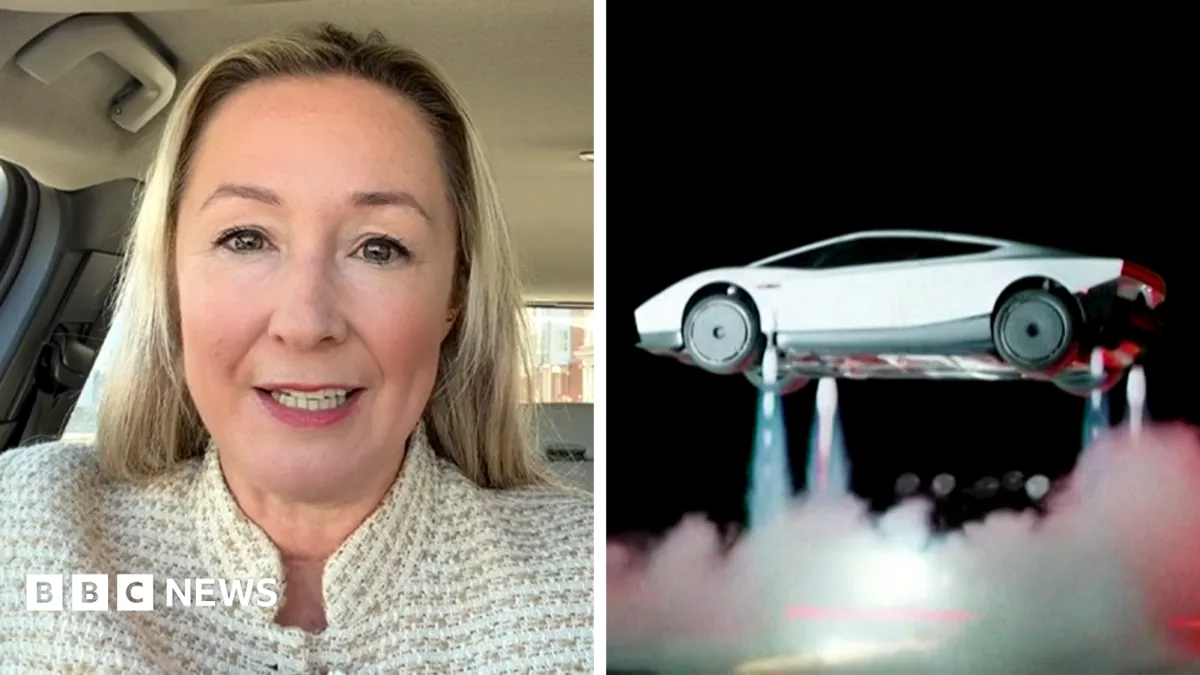
Elon Musk just showcased a flying car - and it wasn't at Tesla
The Tesla CEO's latest reveal came at SpaceX, not Tesla, signaling where vertical mobility is headed.