

Kevin Feige kills the MCU reboot after Secret Wars, calling Hickman’s 2015 comic a roadmap
The Marvel boss says Phase Six ends in 2027, but the story will not restart from scratch.
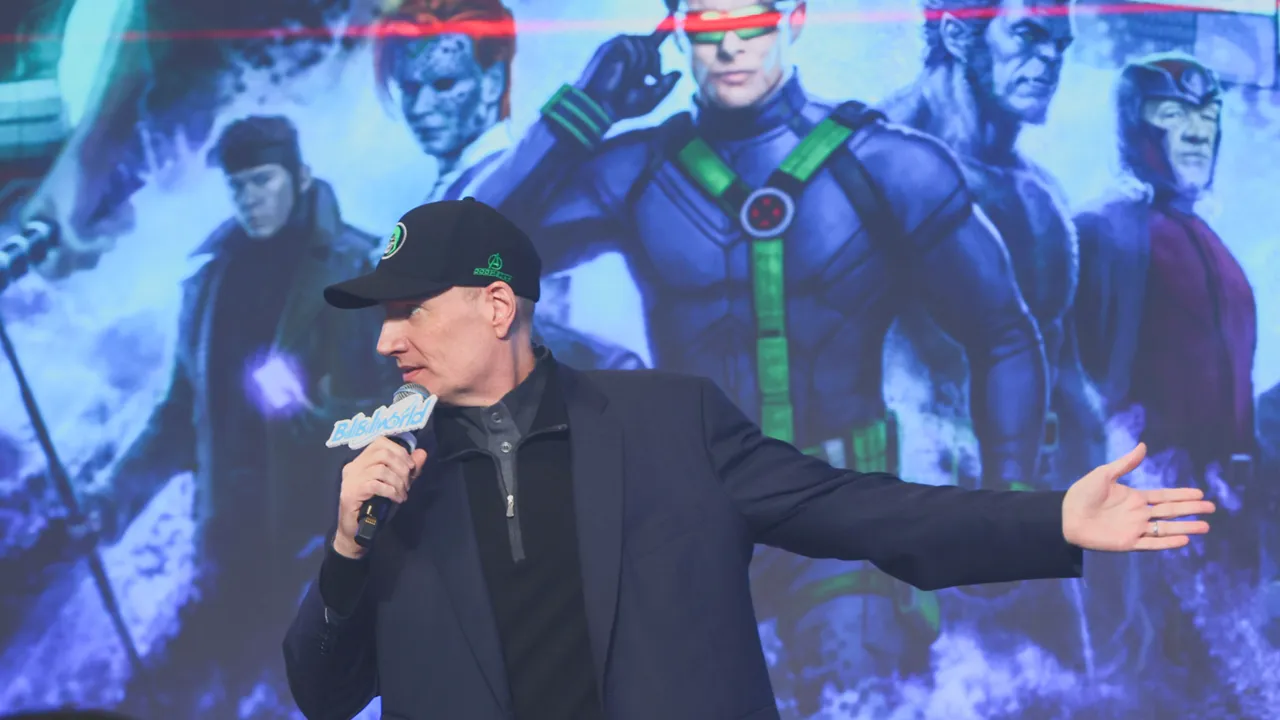
Kevin Feige, Marvel Studios’ boss, denies that the MCU will get a full reboot after Avengers: Secret Wars concludes Phase Six in 2027. Instead, he points to Jonathan Hickman’s Secret Wars comic as a “nice roadmap” for what comes next, shaping how the franchise moves beyond Phase Six.
Kevin Feige has officially shut down the idea that the MCU will “reboot” after Avengers: Secret Wars wraps Phase Six in 2027. When asked directly whether next year’s team-up film would deliver a restart, Feige answered “No,” then pointed to the comics instead, specifically saying that the Secret Wars story offers “a nice roadmap to where we can go.” That matters because fans have been wrestling with a simple question for a long time: if the multiverse-ending event lands next December, does the cinematic universe reset into a clean slate, or does it evolve forward?
Feige’s answer is also unusually specific for a franchise leader. He said he looks to the comics “as I always do,” and that in both the Secret Wars storyline but “particularly the [Jonathan] Hickman Secret Wars from 10 years ago,” there’s a roadmap for Marvel’s future storytelling. Hickman’s Secret Wars, published through 2015 and 2016, is described here as a multiverse-ending tale that involves heroes and villains across the Marvel universe. In other words, instead of treating Avengers: Secret Wars as a hard stop followed by a full cinematic restart, Feige is framing it as a bridge into a new chapter.
This matters beyond fandom because reboot decisions are existential for entertainment portfolios. A reboot is not just a creative choice. It affects brand continuity, audience retention, and how aggressively studios can lean on legacy characters versus launching something fresh. And when a studio is operating on a tightly scheduled “phases” model like Marvel, a supposed reboot is often less about story logic and more about risk management. Feige’s denial tells you Marvel is not planning to treat Phase Six like a reset button. The point is to keep momentum, even if the multiverse storyline causes massive shakeups in the on-screen universe.
There was already some earlier confusion around the exact meaning of “reboot” in Marvel’s orbit. Feige has addressed the topic before, saying that while the upcoming X-Men movie will help “reset” the MCU, it won’t necessarily be a reboot. In 2025, Feige told Variety, “Reboot is a scary word,” adding that “Reboot can mean a lot of things to a lot of people.” He talked about “Reset, singular timeline,” and said, “We’re thinking along those lines,” then identified X-Men as the place where that “will happen next.” So even in prior comments, the pattern was clear: Marvel is trying to avoid the word “reboot” because it implies a full abandonment of continuity, while still allowing for a structured transition.
That distinction got even louder when co-director Joe Russo recently weighed in. Last month, Russo and Doomsday and Secret Wars co-director Joe Russo said this year’s Avengers film would put the cinematic universe “back to phase zero.” Russo told The Hollywood Reporter, “Look, we were with Rob [Downey Jr.] earlier today,” and said he and Downey Jr. discussed the “concept that we are back to phase zero.” He described it as “starting over from scratch,” and emphasized wanting to make sure “everybody feels like this isn’t leaning on anything from the past.” But notice what Feige is doing now: he is not denying a big transition. He is denying the specific customer fear behind the reboot chatter, which is that the audience gets stranded in a new timeline with nothing carried forward.
For decision-makers, the strategic subtext is about narrative economics. Marvel is building a machine where each installment is both a story and a marketing event for the next phase. If the studio truly rebooted everything after Secret Wars, it would likely reduce the value of prior investments, because continuity cues can be perceived as “legacy-only” rather than universally accessible. Feige’s “roadmap” framing implies Marvel intends to keep the audience from feeling they have to relearn the universe from zero. He’s essentially saying: yes, we’re going to a new stage, but we’re using the comic playbook, not a wipe-the-board button.
Meanwhile, Marvel’s calendar is still stacked, and the upcoming releases hint at how the company plans to keep the flywheel spinning while the big endgame approaches. Avengers: Secret Wars premieres December 17, 2027. Before that arrival, the source points to next week’s Spider-Man: Brand New Day, December 18’s Avengers: Doomsday, and more. It also notes that it was only today that a proper Doomsday trailer was shown ahead of its premiere later this year, and that Doctor Doom is set to make “quite the impact” on the MCU. The studio may be wrestling with the multiverse’s creative consequences, but it is not pausing the product cycle, and that is a real operational signal.
Second-order implications for executives outside of Marvel are hard to ignore. The industry knows that audience trust is fragile, especially when story events are marketed as world-shaking. Marvel’s leadership is trying to thread a needle: deliver an event big enough to satisfy the “this changes everything” expectation, while controlling the interpretive chaos around whether that change means “reset” or “reboot.” Feige’s comments suggest the company is betting that roadmap-based evolution will outperform a clean-slate strategy, using Hickman’s 2015 Secret Wars as a cultural and structural guide. For peers managing franchises, studios with long-running IP, and any board that has to approve risk-heavy long-range slate plans, the lesson is simple: labels matter. “Reboot” is scary because it suggests abandonment. “Roadmap” signals continuity of intent, even when the story itself is about to detonate.
This story's Key Insights and Take-aways are locked.
Create a free account to unlock Executive Actions for one credit.
Register to UnlockAlways free for Executives Club members. Join the Club
More in Entertainment

12TB Steam 'teraleak' goes beyond Valve: GTA 3, Mafia 2 prototypes exposed
A 12-terabyte dump of Steam data reveals prototypes and builds of third-party classics like GTA 3 and Mafia 2, plus unreleased Valve content, rewriting game history.

LinkedIn's romance problem: 1 in 4 workers say dating on it is fair game
A new survey shows a quarter of U.S. employees treat the professional network as fair game for romance, even as LinkedIn bans it and removes hundreds of thousands of offending posts.

Enhypen's first No. 1 album breaks K-pop's Billboard 200 streak
The K-pop group's 98,000-unit debut tops the chart while Dolly Parton's catalog reentry shows how death reshapes streaming.