

Kimi Antonelli’s magic lap beats Max Verstappen for Monaco pole
In Monaco qualifying, Mercedes newcomer Antonelli edges Verstappen, reshaping weekend strategy for every title rival.
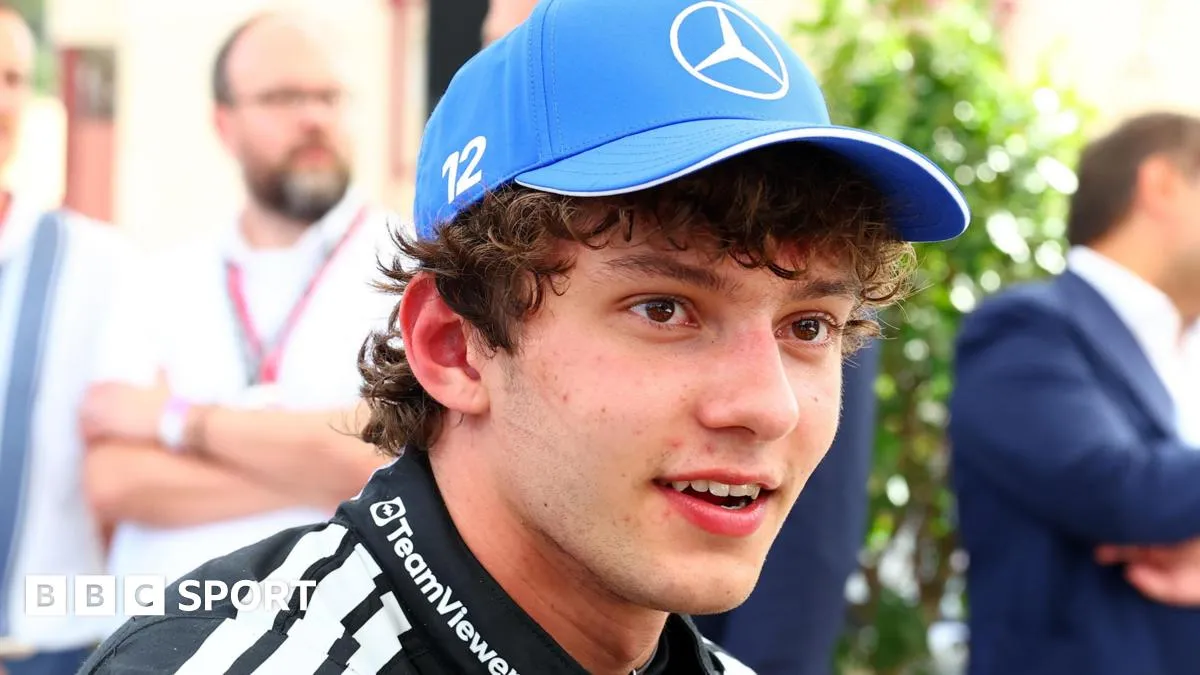
Mercedes' Kimi Antonelli won Monaco pole position, beating Red Bull's Max Verstappen in qualifying. The consequence is immediate: track-position advantage and momentum swinging for the entire grid.
Mercedes' Kimi Antonelli beat Red Bull's Max Verstappen to pole position in qualifying for the Monaco Grand Prix. In a session that tightened at exactly the wrong time for anyone hoping to cruise, Antonelli delivered a “magic lap” that pipped Verstappen, securing the most valuable starting spot on one of Formula 1’s least forgiving circuits.
Monaco is special because the race and qualifying outcomes are tied together more tightly than most tracks. It is narrow, slow in places, and unforgiving if you miss a line. Pole here does not just look good on TV. It directly changes the odds that you get clean air, dictate the early pace, and avoid the kind of chaos that can turn a strategic plan into a scrapyard in a matter of laps. So when Antonelli out-qualifies Verstappen, it is not a cosmetic flex. It is a weekend swing, and it happens on one of the calendar’s highest-attention stages.
For decision-makers watching this like a portfolio move, the headline is really about incentive alignment and execution pressure. Teams come into Monaco with a set of assumptions about who has the best car and who has the best driver, but qualifying forces the entire stack to synchronize: chassis balance, tyre prep, brake feel, and driver confidence in traffic-free precision. Monaco rewards what teams can deliver in a short window, not what they can survive over a long run. Antonelli’s lap says Mercedes found an edge at the exact moment it mattered.
There is also the obvious storyline: a Mercedes driver beating Verstappen to pole in the heat of a high-profile qualifying session. Verstappen is Red Bull’s headline act, and he is the kind of competitor who normally punishes mistakes across qualifying and race pace. So Antonelli winning this specific matchup matters to the credibility of both teams’ direction. When a newcomer puts themselves on pole at Monaco and does it by edging Verstappen, it compresses the narrative about development. It suggests the work is paying off now, not later, and that is the kind of signal that influences everything from internal morale to external sponsorship confidence.
Regulatory and sporting context matters too, because Monaco is one of the few races where the weekend can be decided almost entirely by qualifying and early race management, leaving less room for damage control. While the BBC Sport source here focuses on the qualifying result, the underlying reality is that Formula 1 governance and race procedure are built around maximizing fairness and competitiveness across the field, including the way qualifying sets grid order for Sunday. If you start at the front, you are already benefiting from the most straightforward application of that system: you face the cleanest path to finish in a position that compounds points.
Second-order implications spread beyond Mercedes and Red Bull because the rest of the grid has to recalibrate its entire risk profile. A pole sitter at Monaco can afford to be more aggressive early, while a second-row starter might have to gamble for the overtake that may not exist. That changes pit-call timing, tyre strategy assumptions, and how teams think about defending. In a race where overtaking is notoriously hard, every extra place you gain at the start is effectively multiplied across the race distance. So the Antonelli pole reshapes the incentive calculus for every team that is not on pole, including those planning to bet on undercut, those hoping for safety-car timing, and those preparing for a “survive and steal” strategy.
Strategically, this is why executives and boards should care even if they are not tracking tyre compounds line by line. Motorsport results are data points, but they are also proof points, and pole at Monaco is both. It is a message about performance when conditions are most sensitive to setup, and about drivers extracting performance when the margin is razor thin. Antonelli beating Verstappen to pole in qualifying means Mercedes has a credible path to converting qualifying pace into a meaningful points haul, while Red Bull faces a sharper fight to recover advantage. For anyone in leadership roles at teams, sponsors, or partners, the takeaway is simple: in Monaco, execution in qualifying is not a prelude. It is the lead act, and Antonelli just stole it from Verstappen.
This story's Key Insights and Take-aways are locked.
Create a free account to unlock Executive Actions for one credit.
Register to UnlockAlways free for Executives Club members. Join the Club
More in Entertainment

Christopher Nolan’s “The Odyssey” posts his biggest Tuesday haul, surpassing “The Dark Knight’s” record
The film’s Tuesday breakout reframes Nolan’s box-office ceiling and forces competitors to rethink timing, budgets, and release strategy.

Kacey Musgraves cancels Aug. 20, 29, Sept. 2 Middle of Nowhere shows
Ticketmaster emails are telling fans refunds are coming, while the tour still starts Aug. 21 in Chicago.

Billie Joe Armstrong launches Epiphone Les Paul Junior and Marshall 1959BJA signature gear
Two limited releases turn decades of Green Day’s tone into branded hardware, including Marshall’s first artist amp in 14 years.