
Kimi Antonelli wins Belgian GP and rebuilds Mercedes lead after George Russell crashout
Antonelli’s victory at Spa gives Mercedes breathing room, while Russell’s crashout tightens the focus on risk control.
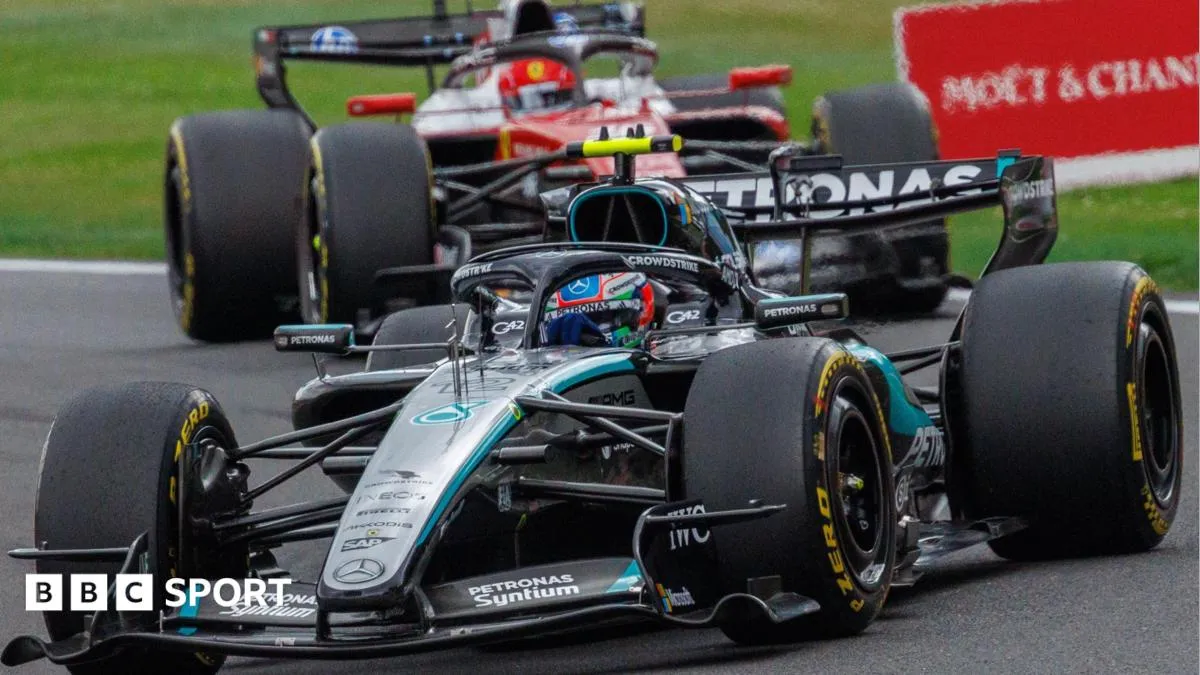
Mercedes rookie Kimi Antonelli won the Belgian Grand Prix to extend and re-establish a comfortable championship lead. Teammate George Russell crashed out, leaving Mercedes to manage the swing between points gain and avoidable loss.
Kimi Antonelli won the Belgian Grand Prix, re-establishing a comfortable championship lead for Mercedes. The twist is just as important: teammate George Russell crashed out, turning a points-rich day for Antonelli into a mixed result for the team overall.
If you track championships, this is exactly the kind of weekend that changes how teams think about tomorrow. Antonelli’s win pushes Mercedes back into a healthier position in the title race, but Russell’s crashout is the reminder that one bad moment can erase an entire strategy block. In motorsport terms, it is not just about being fast. It is about finishing in a sport where the difference between “dominant” and “done” can be a single, unpredictable incident.
To understand why this matters beyond the immediate result, you have to look at how championship dynamics work. A “comfortable” lead is psychologically powerful because it gives a team options. It can choose when to take calculated risks and when to prioritize clean points. But the word “re-established” signals the lead was not just sitting there untouched. Mercedes had to regain stability, and then defend it.
That is where Russell’s crashout becomes more than trivia. Team orders are usually discussed in corporate language as if they are a clean governance tool, but on the ground in a Grand Prix, they are an operational emergency lever. When one car is out, the remaining driver and engineers lose a key variable. The team stops optimizing around two simultaneous outputs and starts reallocating resources to protect the one driver who is still in the race for maximum points.
This also hits the incentives that executives and principals face. In a championship, every weekend has a dual ledger. There is the sporting ledger, which is points, standings, and momentum. There is the commercial ledger, which includes sponsor visibility, media attention, and internal budget prioritization that rides on performance narratives. A win that restores a comfortable lead is the kind of headline that keeps decision-makers comfortable. A crashout that costs potential points is the kind of event that forces uncomfortable post-race meetings about risk, timing, and driver-car interaction.
There is another layer for boards and senior management: operational learning. Motorsport teams run like high-tempo engineering organizations. A crashout creates an evidence trail that engineers will analyze for weeks. What went wrong at the start? Was it tire behavior, brake balance, steering geometry, track evolution, or an on-track interaction? Even if the eventual technical diagnosis stays private within the team, the strategic implication is public in the form of changes to future procedures.
The Belgian Grand Prix typically matters for teams because Spa rewards a particular blend of car stability, traction, and confidence at speed. So when Antonelli turns speed into a win and the team regains a championship advantage, it reinforces that Mercedes has the package to convert performance into results. But Russell’s crashout is the counterweight. It reminds everyone that good cars and talented drivers do not automatically remove randomness from racing. The sport punishes error, and it punishes even more when the error is preventable.
For decision-makers inside motorsport, the second-order takeaway is about how you protect leads under pressure. Antonelli winning and extending the championship advantage means Mercedes has something many teams crave: room to operate. But Russell crashing out shows the fragility of that room. The strategic stake for peers is clear. If your team is in a position to build a points buffer, you still need systems that reduce “unforced” losses, because championships are won by maximizing weekends you finish, not just by winning the rare ones you dominate.
This story's Key Insights and Take-aways are locked.
Create a free account to unlock Executive Actions for one credit.
Register to UnlockAlways free for Executives Club members. Join the Club
More in Entertainment
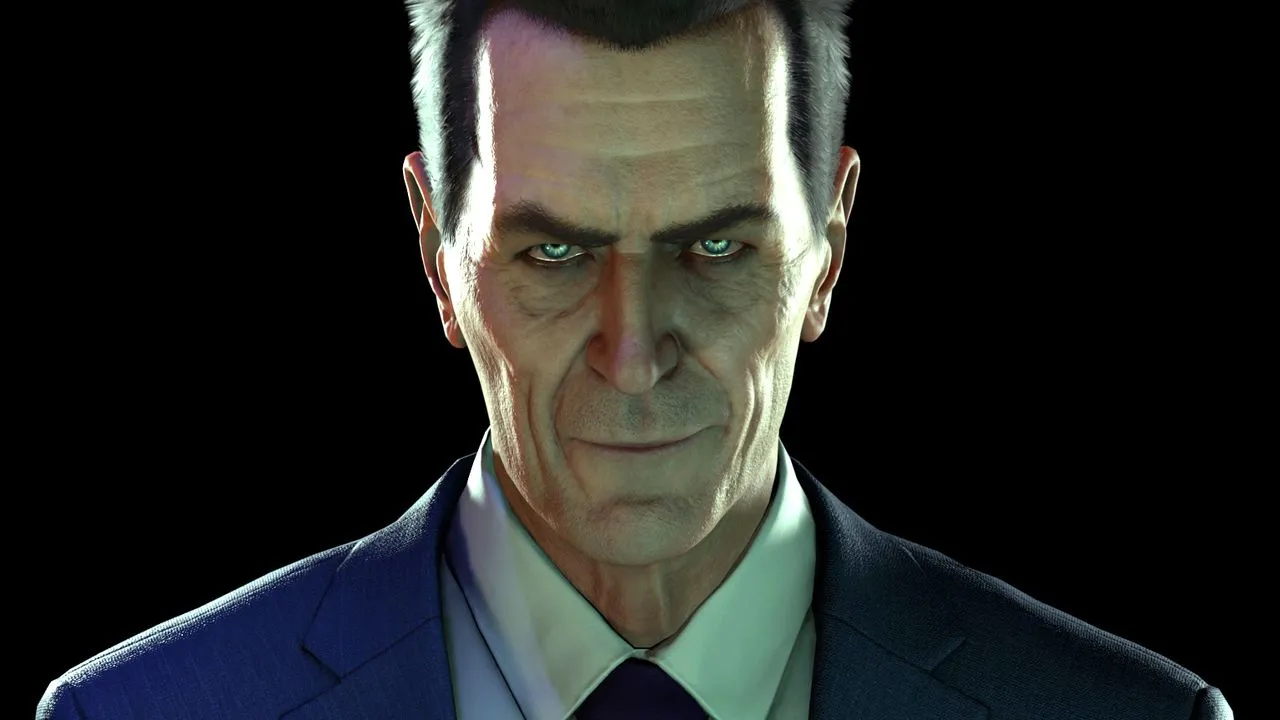
12TB Steam 'teraleak' goes beyond Valve: GTA 3, Mafia 2 prototypes exposed
A 12-terabyte dump of Steam data reveals prototypes and builds of third-party classics like GTA 3 and Mafia 2, plus unreleased Valve content, rewriting game history.

LinkedIn's romance problem: 1 in 4 workers say dating on it is fair game
A new survey shows a quarter of U.S. employees treat the professional network as fair game for romance, even as LinkedIn bans it and removes hundreds of thousands of offending posts.

Enhypen's first No. 1 album breaks K-pop's Billboard 200 streak
The K-pop group's 98,000-unit debut tops the chart while Dolly Parton's catalog reentry shows how death reshapes streaming.