
Kit Connor and Joe Locke say Heartstopper’s film finale will forever matter
The Netflix conclusion of Alice Oseman’s story lands with its young stars insisting the cultural impact outlasts the credits.
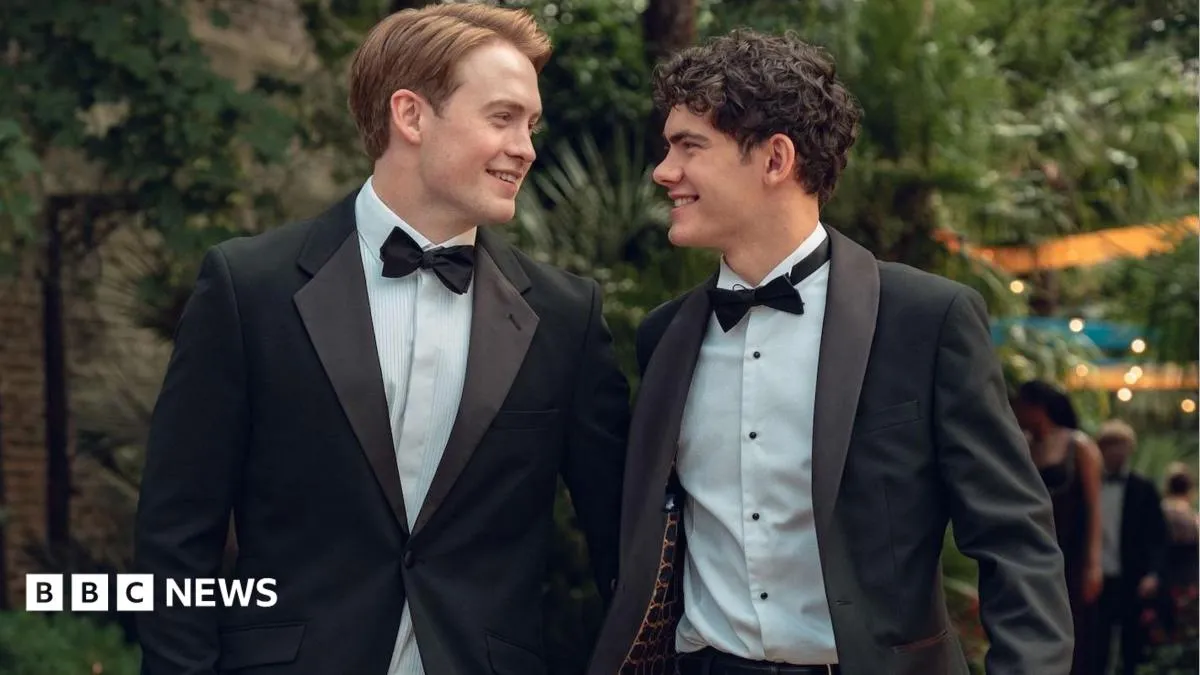
Kit Connor and Joe Locke star in Netflix’s Heartstopper film finale, a conclusion to Alice Oseman’s screen adaptation. For decision-makers watching youth IP, the release is a real test of how long emotionally-driven franchises can stay valuable beyond episodic streaming.
Netflix’s Heartstopper is officially reaching the end of its screen story, and its two headline stars, Kit Connor and Joe Locke, are framing the moment as bigger than a wrap-up scene. Speaking around the Netflix movie’s release, they react to what it means to bring Alice Oseman’s popular adaptation to a conclusion. It is a rare situation where the ending itself is treated like a milestone, not a fade-out.
That matters because Heartstopper is not just a title. It is a clear example of how a creator-led narrative, built for and by a young audience, can scale into a mainstream streaming property strong enough to earn a feature-film “finale” rather than staying forever in episodic limbo. The BBC Entertainment coverage underscores the point with one central fact: the Netflix movie brings Alice Oseman’s popular screen adaptation to a conclusion. The decision is effectively Netflix saying: this world has enough momentum, enough audience trust, and enough emotional stickiness to justify the extra production layer and the final delivery format.
To understand why executives should care, look at what streaming companies usually optimize for. They chase retention, binge behavior, churn reduction, and subscription continuity. But those metrics do not always map neatly onto teen romance and identity-driven storytelling. Heartstopper works because it is built around character intimacy and consistency. When a franchise like this reaches a conclusion, the business question becomes: does “ending” weaken the brand, or does it preserve value by giving fans a complete, satisfying arc?
In other words, a finale can be a risk or a strategy. It is a risk because viewership spikes around release, but you also remove future episodic hooks. It is a strategy because a clean ending can turn viewers into long-term advocates. For youth IP, the audience is often relationship-based, not just habit-based. The difference shows up in social discussion, word-of-mouth longevity, and the willingness of new viewers to jump in late, knowing the story resolves. When a streaming adaptation of a creator’s work reaches a final chapter, the franchise shifts from “keep watching” to “join the canon.”
There is also a regulatory and cultural layer that executives cannot ignore, even if the BBC piece stays focused on the entertainment side. Content aimed at younger audiences sits in a heightened scrutiny environment: platforms are watched for portrayal quality, accessibility, and the way sensitive themes are framed. Even without introducing any new claims, it is reasonable to say Heartstopper operates in the same policy reality that shapes how studios develop and distribute youth-oriented stories. The underlying governance incentives matter: keep the tone credible, avoid sensationalism, and maintain trust with both audiences and gatekeepers.
Now connect that to the personalities at the center of the story. Kit Connor and Joe Locke are not just actors filling screens; they are part of the brand equity that follows a youth series into mainstream awareness. When the leads talk about “making a film like Heartstopper” and its importance, the subtext for stakeholders is straightforward: star attachment and audience emotional buy-in are not interchangeable inputs. The franchise can move formats, but it still needs the same kind of authenticity that made the show popular in the first place.
For boards and senior executives, the second-order implication is about pipeline design. A finale suggests the IP owner is willing to complete an arc instead of indefinitely extending it. That can unlock new rights value and new sequel-adjacent opportunities, but it can also reset the brand lifecycle. The question becomes whether the platform has a playbook for successor projects that keep the audience promise intact when the original characters are done.
So, the stakes for anyone building youth-focused streaming and entertainment businesses are simple. If a Netflix movie can bring Alice Oseman’s adaptation to a conclusion and still be treated as an event worth spotlighting with major cast involvement, it signals something important about consumer appetite: audiences do not just want ongoing series content. They want stories that respect the emotional setup, then deliver the ending. That is how franchises retain meaning after the final frame, and that is what decision-makers should map into the next wave of greenlights.
This story's Key Insights and Take-aways are locked.
Create a free account to unlock Executive Actions for one credit.
Register to UnlockAlways free for Executives Club members. Join the Club
More in Entertainment
12TB Steam 'teraleak' goes beyond Valve: GTA 3, Mafia 2 prototypes exposed
A 12-terabyte dump of Steam data reveals prototypes and builds of third-party classics like GTA 3 and Mafia 2, plus unreleased Valve content, rewriting game history.

LinkedIn's romance problem: 1 in 4 workers say dating on it is fair game
A new survey shows a quarter of U.S. employees treat the professional network as fair game for romance, even as LinkedIn bans it and removes hundreds of thousands of offending posts.

Enhypen's first No. 1 album breaks K-pop's Billboard 200 streak
The K-pop group's 98,000-unit debut tops the chart while Dolly Parton's catalog reentry shows how death reshapes streaming.