

Konyikeh’s third EP 'Cinere' turns “rules” into strings, choirs, and raw emotion
The London-Essex singer credits a near-numb 2024 and her classical training for the EP’s rule-breaking shift.
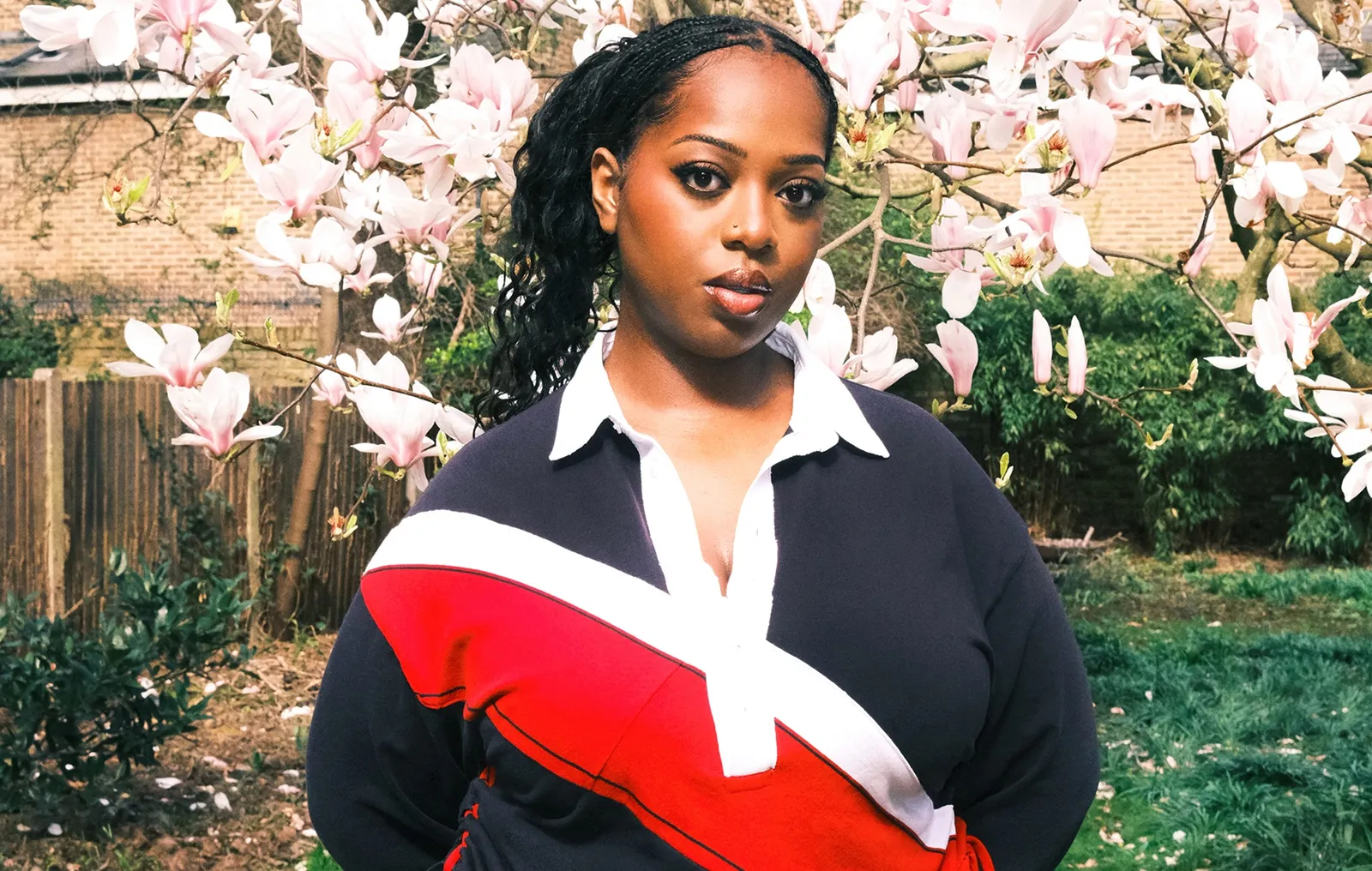
Konyikeh, a London-born, Essex-raised singer-songwriter and multi-instrumentalist, releases her third EP 'Cinere' (released last month). The project, released on FAMM, signals a strategic creative pivot with emotional clarity and tighter self-controlled direction for decision-makers watching new music markets.
Konyikeh is releasing her third EP, 'Cinere' (named after the Latin phrase “ex cinere”, or “from the ashes”), after spending 2024 in a place she describes as emotionally numb. She says she couldn’t feel anything, and that “it's not that I didn't care,” it was a “very emotionally numb point in my life.” Then she did what ambitious creators usually do when the system stops working: she changed the process.
Instead of drifting away from what trained her, Konyikeh went back to it. She credits her classical foundation and brings it to the center of 'Cinere' with strings, choirs, and live instrumentation shaping the arrangements. She says she “just wanted to go back to what I know and love,” and throughout the record she arranged and performed many of the string parts herself while earning production credits across the project. If you're tracking what’s working in modern music, the interesting part is not “genre-bending” as a brand phrase. It’s that the EP is a deliberately engineered emotional reset: she wanted a release she could “really feel and really advocate for,” after feeling disconnected from the music she was making.
To understand why this matters beyond one artist’s listening habits, zoom out for a second on her trajectory. Konyikeh first emerged with her 2023 debut EP 'Litany', introducing a voice described as both timeless and unique. Her sound lives at intersections of creative influence: early classical training moving freely between R&B, jazz, rap, and choral music she absorbed growing up. That mix helped her land a breakthrough moment through a COLORS performance of her pensive ballad 'Girls Like Us' in 2023. The performance earned her opening slots for Sam Smith, Tems, Jalen Ngonda and more, and she later earned a spot on the NME 100 and signed with FAMM, the independent label founded by Jorja Smith.
That label partnership is also part of the strategy story. Konyikeh speaks directly about what she learned from FAMM founder Jorja Smith, saying Smith helped show people “you don't have to stay in one box.” But the more revealing detail is that Konyikeh is not just letting her influences mix. She’s letting her whole self show up, including the side that previously held her back. She says she was “scared to tap into” her classical background for a long time. Even when she had the skills, she felt self-conscious about what it would mean to use them. She explains that she didn’t play for the FAMM team because she “hated” feeling like she was “showing off.” In the studio, that insecurity showed up as fear of mistakes: she was used to having sheet music in front of her, and now she could “just play anything” that came to her head. The fear, she says, was embarrassing. A mistake, in front of everyone, could feel like it would be judged.
'Cinere' reads like her way of rewriting that internal contract. She wrote her first song at 13 and spent years filling notebooks with poems and stories before recording over YouTube beats, and uploading tracks to SoundCloud during a gap year. Material from those ages 13 to 19 later formed the foundation of 'Litany'. On paper, that could have pushed her toward a neat, consistent “indie” lane. Instead, she took a far more structured route back to control: returning to “back to basics,” burning down the rules holding her back, and using strings and choirs as the connective tissue between her classical language and her broader listening diet.
The emotional logic is the other key. Konyikeh describes 'Problem With Authority' in 2024 as a period when she couldn’t feel anything, even though listeners connected. She says the experience became a turning point because it clarified what she wanted next: not just something that would land, but something she could feel and advocate for. After returning from tour with Jalen Ngonda last spring, she began thinking about live music, instrumentation, and the emotional impact they could have. That led to a record where live instrumentation shaped the arrangements, where she arranged and performed many of the string parts herself, and where she took on production credits across the record.
There’s also a track-level example of how her emotional reset turned into concrete creative choices. She describes 'Mercenary' as inspired by gqom, amapiano, and Arabic scales. She says while others initially struggled to understand what she was making, 'Mercenary' “made me feel something.” That line matters because it signals how she’s choosing what to keep, what to build, and what to cut: after feeling numb, she called it “such a luxury to be able to feel emotion.” She also connects that mindset to her broader reference points, saying her criteria for sound and listening remain consistent: “Sounding good and feeling good are the same thing.”
Finally, her involvement isn’t limited to composition. She describes becoming deeply involved in every stage of the creative process, from production decisions and mixes to visual concepts, edits, and creative direction. She says, “If you speak to FAMM candidly, it was very much my way or the highway.” That is classic founder energy, but applied to an artist-operator workflow. Confidence, she implies, isn’t ego. It comes from trusting instincts and iterating until she has songs she loves. She even describes “fiddling” with instruments in the studio until a twang was tuned just right for her ears.
So what’s the strategic stake for the people who watch the industry, invest, manage rosters, or build creative systems for a living? Konyikeh’s pivot suggests that “authenticity” is not just a vibe. It can be operationalized through control of inputs, from instrumentation and production credits to visual direction. In markets where new releases fight for attention, her approach reframes differentiation: not only what you blend, but how tightly you govern the process so the final output carries feeling. And when she says she developed stronger core beliefs and in 2025 decided she would “run a tight ship” and “do it my way,” she’s describing a governance shift that, in business terms, is about decision rights and reducing uncertainty. That’s the kind of move other founders and teams will recognize, even if their product is music instead of software.
This story's Key Insights and Take-aways are locked.
Create a free account to unlock Executive Actions for one credit.
Register to UnlockAlways free for Executives Club members. Join the Club
More in Entertainment

Christopher Nolan’s “The Odyssey” posts his biggest Tuesday haul, surpassing “The Dark Knight’s” record
The film’s Tuesday breakout reframes Nolan’s box-office ceiling and forces competitors to rethink timing, budgets, and release strategy.

Kacey Musgraves cancels Aug. 20, 29, Sept. 2 Middle of Nowhere shows
Ticketmaster emails are telling fans refunds are coming, while the tour still starts Aug. 21 in Chicago.

Billie Joe Armstrong launches Epiphone Les Paul Junior and Marshall 1959BJA signature gear
Two limited releases turn decades of Green Day’s tone into branded hardware, including Marshall’s first artist amp in 14 years.