
KPop Demon Hunters stays Netflix’s No. 4 film with 130.4M views through June 2026
Netflix’s “What We Watched” report shows the animated hit holding steady, behind War Machine and The Rip.
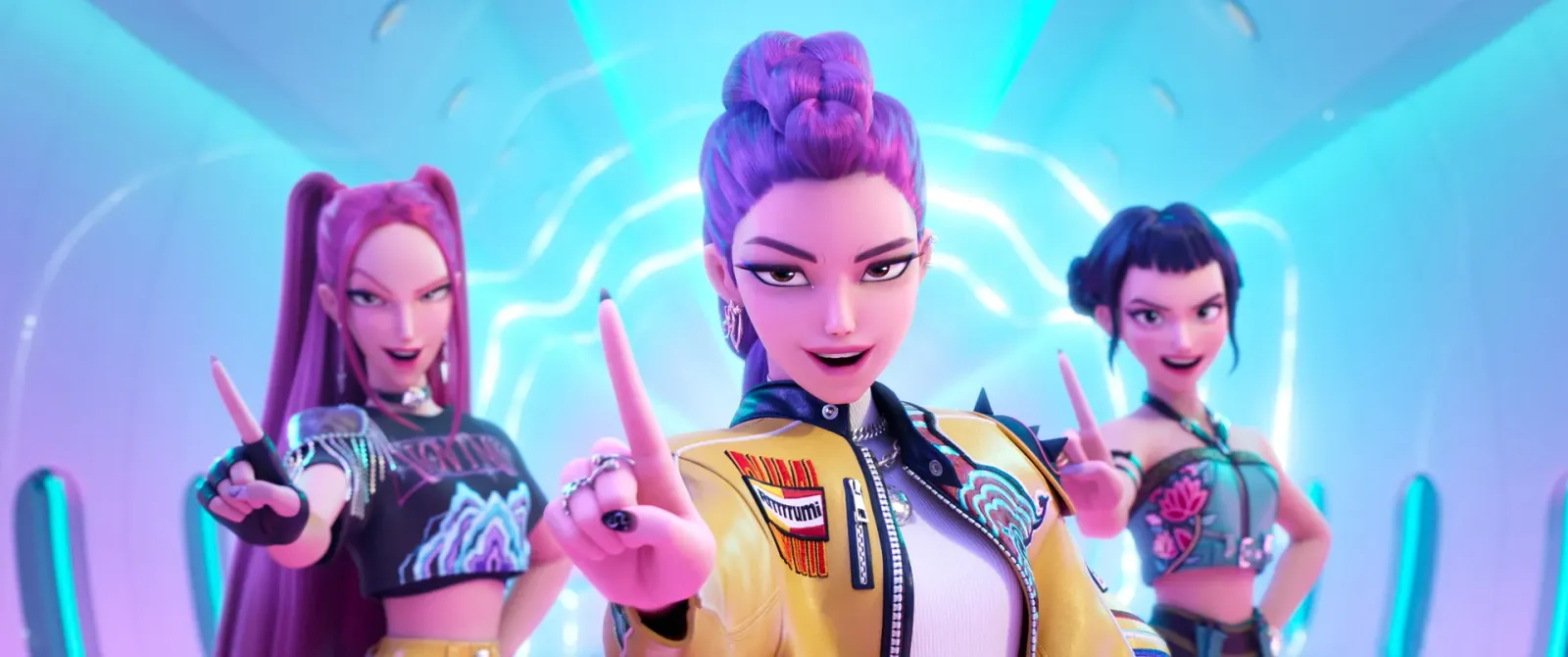
KPop Demon Hunters remains Netflix’s fourth most-viewed film, according to the streamer’s What We Watched report for January-June 2026. The continued performance, measured at 130.4M views, matters for decision-makers tracking what sustains subscriber attention over time.
KPop Demon Hunters is still pulling its weight on Netflix. In the streamer’s What We Watched report covering viewership in film and television from January-June 2026, the animated hit is listed as Netflix’s fourth most-viewed film with 130.4M views. It ranks behind only War Machine, The Rip, and fellow animated title Swapped.
That “stayed” part is the point. Over a year on from its release, KPop Demon Hunters’ viewership stats remain “golden,” at least by Netflix’s own reporting yardstick. The fact pattern here is simple and consequential: a film launched earlier can keep meaningful momentum long after the initial launch week fireworks, and it can do it well enough to remain in the top tier more than a year later.
To executives and board members, this is a reminder that streaming success is not always a single spike. A lot of content gets attention when the catalog updates, then fades as the platform rotates. Netflix’s semi-annual “What We Watched” reporting frame, spanning January-June 2026, lets operators see which titles keep earning viewing hours in a more settled environment. In other words: it is not just about getting discovered. It is about staying discoverable and still being watched.
Why does this matter beyond Netflix’s own leaderboard? Because competitive strategy in streaming increasingly turns on the same question across studios, distributors, and internal creative teams: what kind of content creates repeat engagement rather than one-and-done browsing? When a single animated juggernaut sits fourth with 130.4M views, it signals a content asset category that keeps behaving like a durable product, not a disposable one. That has second-order effects for how companies prioritize slate, how they plan marketing spend after release, and how they assess catalog value when subscribers are not necessarily churning but attention is still limited.
There is also a portfolio implication. KPop Demon Hunters is not alone in its own genre tier. The top three around it, per the report snapshot, include other standout films: War Machine, The Rip, and another animated hit, Swapped. That clustering suggests Netflix’s viewing ecosystem during this period was receptive to animated storytelling. For executives, that is useful intelligence. Boards do not just need to know what the “winner” was. They also need to understand whether the results reflect a random outlier or a repeatable engine.
Now zoom out to the operating incentives created by this kind of measurement. Netflix is telling viewers and investors what got watched, in what time window, across film and television. Even without additional specifics in the source excerpt, the structure matters: it is a scoreboard that can shape internal decision-making around budgeting and renewal. A title that keeps appearing high in such reports effectively reduces uncertainty. It provides evidence that the company’s investment can convert into sustained viewing performance.
There is a regulatory angle too, even if the source is focused on performance rather than policy. Streaming measurement and reporting are often scrutinized because viewing data can influence how markets perceive content value. When a platform publishes standardized reporting windows like January-June, it creates a cleaner basis for external comparison than purely anecdotal “it was a hit” claims. That can matter as stakeholders, including regulators and industry observers, push for transparency in how platforms quantify audience behavior.
Finally, consider what peers and partners should take away. The strategic stakes are not just “Netflix likes animation.” The stakes are that Netflix can keep ranking a film in the top positions well after release, with 130.4M views cited for this specific period. For other streaming players, studios, and investors, that sets a higher bar for what “greenlit” content must achieve to justify its place in a crowded catalog. If the benchmarks for durability are rising, then the content pipeline has to be built with long tails in mind, not only opening-week impact.
In short: KPop Demon Hunters remains Netflix’s fourth most-viewed film with 130.4M views through the January-June 2026 window in What We Watched. It sits behind War Machine, The Rip, and Swapped. For decision-makers, that is a concrete signal that sustained engagement is real, measurable, and valuable, and it is reshaping how streaming companies should think about content that lives well past its launch moment.
This story's Key Insights and Take-aways are locked.
Create a free account to unlock Executive Actions for one credit.
Register to UnlockAlways free for Executives Club members. Join the Club
More in Entertainment

12TB Steam 'teraleak' goes beyond Valve: GTA 3, Mafia 2 prototypes exposed
A 12-terabyte dump of Steam data reveals prototypes and builds of third-party classics like GTA 3 and Mafia 2, plus unreleased Valve content, rewriting game history.

LinkedIn's romance problem: 1 in 4 workers say dating on it is fair game
A new survey shows a quarter of U.S. employees treat the professional network as fair game for romance, even as LinkedIn bans it and removes hundreds of thousands of offending posts.

Enhypen's first No. 1 album breaks K-pop's Billboard 200 streak
The K-pop group's 98,000-unit debut tops the chart while Dolly Parton's catalog reentry shows how death reshapes streaming.