

Krafton settles Subnautica 2 dispute, paying Unknown Worlds bonuses after $250M fight
After Krafton ousted Unknown Worlds leaders over a potential $250 million bonus, a judge reinstated one CEO, then settlement bonus payouts followed.

Krafton, through its subsidiary Unknown Worlds Entertainment, has settled a drawn-out dispute with the team developing Subnautica 2. The settlement includes bonuses for staff,
Krafton has settled its dispute with Unknown Worlds Entertainment, the Subnautica 2 developer, and will pay bonuses to studio staff after months of legal wrangling. The conflict centered on a potential $250 million bonus that would be shared if certain financial goals were hit, according to the reporting summarized by The Verge.
This story matters because the money was never just money. The dispute began last year after Krafton pushed out Unknown Worlds cofounders Charlie Cleveland and Max McGuire, and its CEO, Ted Gill, ahead of that potential $250 million bonus tied to performance outcomes. Then, in March, a judge reinstated Gill as CEO, a key procedural reversal that effectively forced the governance question back into the open. Subnautica 2 then launched in early access in May, and the early sales momentum was strong enough to land the game at four million copies sold in five days.
If you zoom out, what’s playing out here is the mismatch that can happen between incentives and control. Companies design bonus plans around financial targets because they want clear behavior and measurable results. But when bonus plans are big enough, and the timing is close enough to major milestones, disputes can quickly turn into a proxy war over who really steers the ship. Krafton’s move to push out the studio’s leadership before the bonus outcome adds a painful twist to the usual “alignment of interests” narrative. The settlement signals the end of that alignment battle, but it also underlines how quickly an incentive program can become a governance flashpoint.
Unknown Worlds is not a random studio in a random corner. It is a subsidiary under Krafton, which means the parent-company leverage is structural: ownership brings authority, and authority can bring hard decisions. Yet the dispute suggests that internal power plays can have real legal consequences when they touch compensation and promised upside. The judge’s March reinstatement of Ted Gill as CEO shows a court was willing to step back in, at least procedurally, rather than leaving the parent’s actions as the final word. For boards and executives reading this, that is the uncomfortable lesson. Litigation can force organizations into an unwanted “trial period” where leadership continuity becomes part of the case.
The timeline is also doing work. Krafton’s initial actions came last year. The court’s intervention landed in March, reinstating Gill as CEO. Then Subnautica 2 entered early access in May. After the game hit the market, it pulled four million copies sold in five days. That sequence is important for decision-makers because it connects incentives, leadership stability, and output timing. Even if the settlement terms are not fully detailed here, the outcome implies that the business wanted to stop the bleeding before the dispute turned into a longer-term drag on execution, talent retention, and the parent-sub relationship.
From a second-order perspective, the settlement also protects the studio’s internal culture and momentum. Bonus payouts to staff, as They are a signal to teams that promised rewards and fairness matter, especially after a public leadership shakeup and litigation. For employees, delayed recognition can be as damaging as reduced pay. The quicker a company can restore trust around compensation, the less it risks losing people who might otherwise decide that the next big milestone is not worth the stress.
For executives and investors who manage similar structures, the case is a reminder that incentive design is only half the job. The other half is governance choreography: what happens to leadership when performance targets are pending, when disagreements surface, and when the parent has enough power to act unilaterally. When Krafton moved to remove Cleveland, McGuire, and Gill ahead of the potential $250 million bonus, it effectively tested the boundary between strategic control and contractual expectation. The reinstatement in March shows that boundary can be litigated, and a settlement suggests both sides eventually concluded that the cost and uncertainty of continuing was not worth it.
Finally, the market angle. Subnautica 2’s early access launch was commercially impressive, with four million copies sold in five days. That kind of traction can complicate disputes because it changes the narrative: the product looks like it succeeded, so questions about leadership decisions and compensation become sharper. Settlement after performance can be read two ways. It can be a “we’re ready to move on” moment, or it can be a practical acknowledgment that resolving uncertainty matters when a title is already generating demand. Either way, the lesson for peers is clear. Big bonuses, tight timelines, and parent-controlled governance are a combustible mix. When the stakes are large, the best case is not just shipping the game. The best case is avoiding the legal and organizational damage that can distract the people who make the game possible.
This story's Key Insights and Take-aways are locked.
Create a free account to unlock Executive Actions for one credit.
Register to UnlockAlways free for Executives Club members. Join the Club
More in Business

A flaw in PHP just forced governments to pull their own sites offline
European agencies from Belgium to Germany took websites dark to patch a critical weakness in the language behind almost 70% of the web, and the blast radius extends far beyond government portals.

BioWare shuts down, Mass Effect 5 dead after $55B EA buyout
The legendary RPG studio's closure lands months after a $55 billion investment group buyout of EA, raising tough questions for gaming's biggest acquirers.
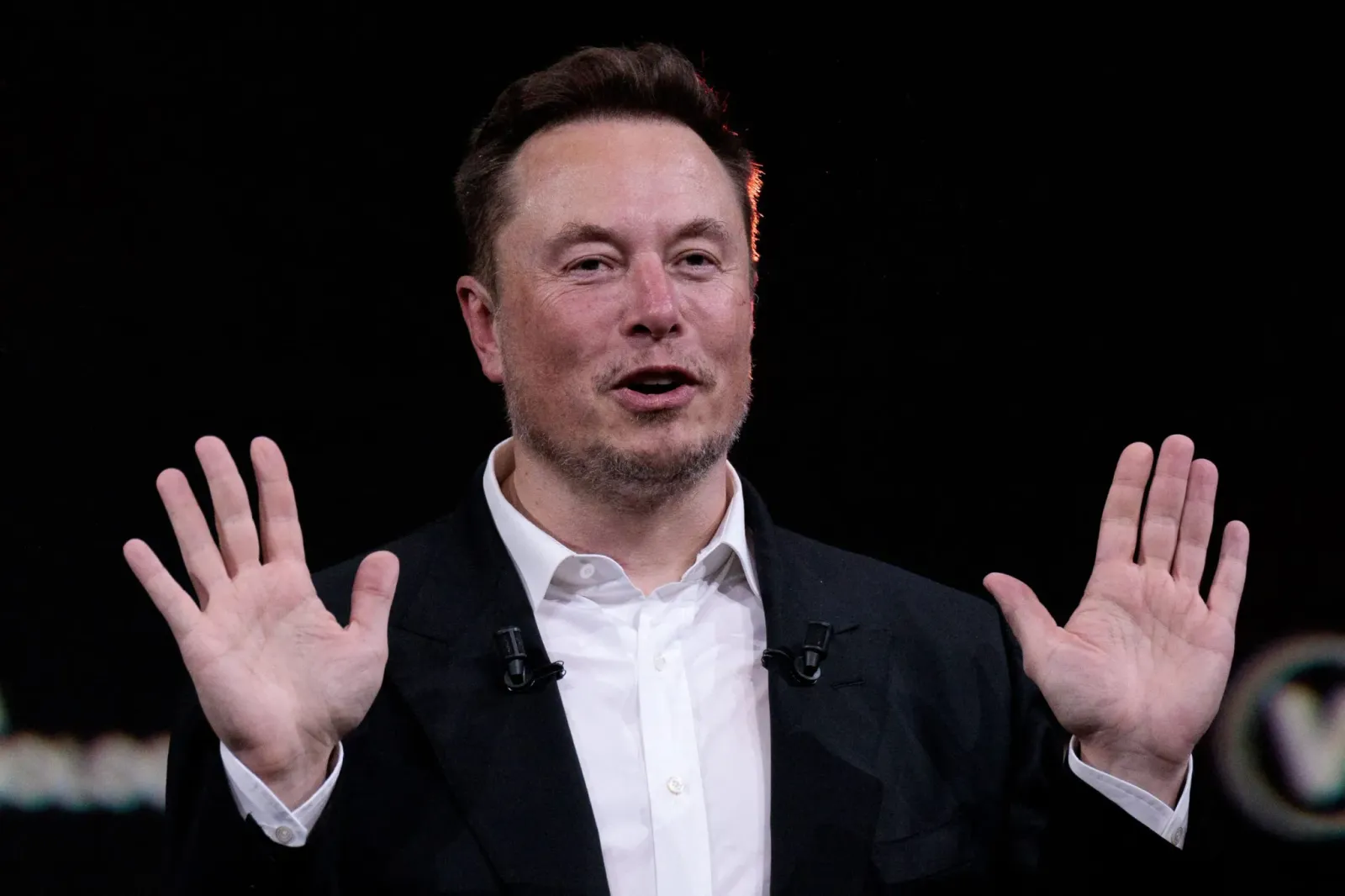
Musk barred from the room as Tesla, SpaceX boards weigh $3.5 trillion merger
The CEO of both companies is a 'conflicted party' watching independent directors negotiate a tie-up that would create a $3.5 trillion giant he would own about a third of.