
Kratsios pitches a “Golden Age” while Genesis Mission sends $5B to AI science projects
The Trump administration’s first Genesis Mission grants plus Michael Kratsios’s Capitol Hill pitch map a new AI-heavy science agenda.
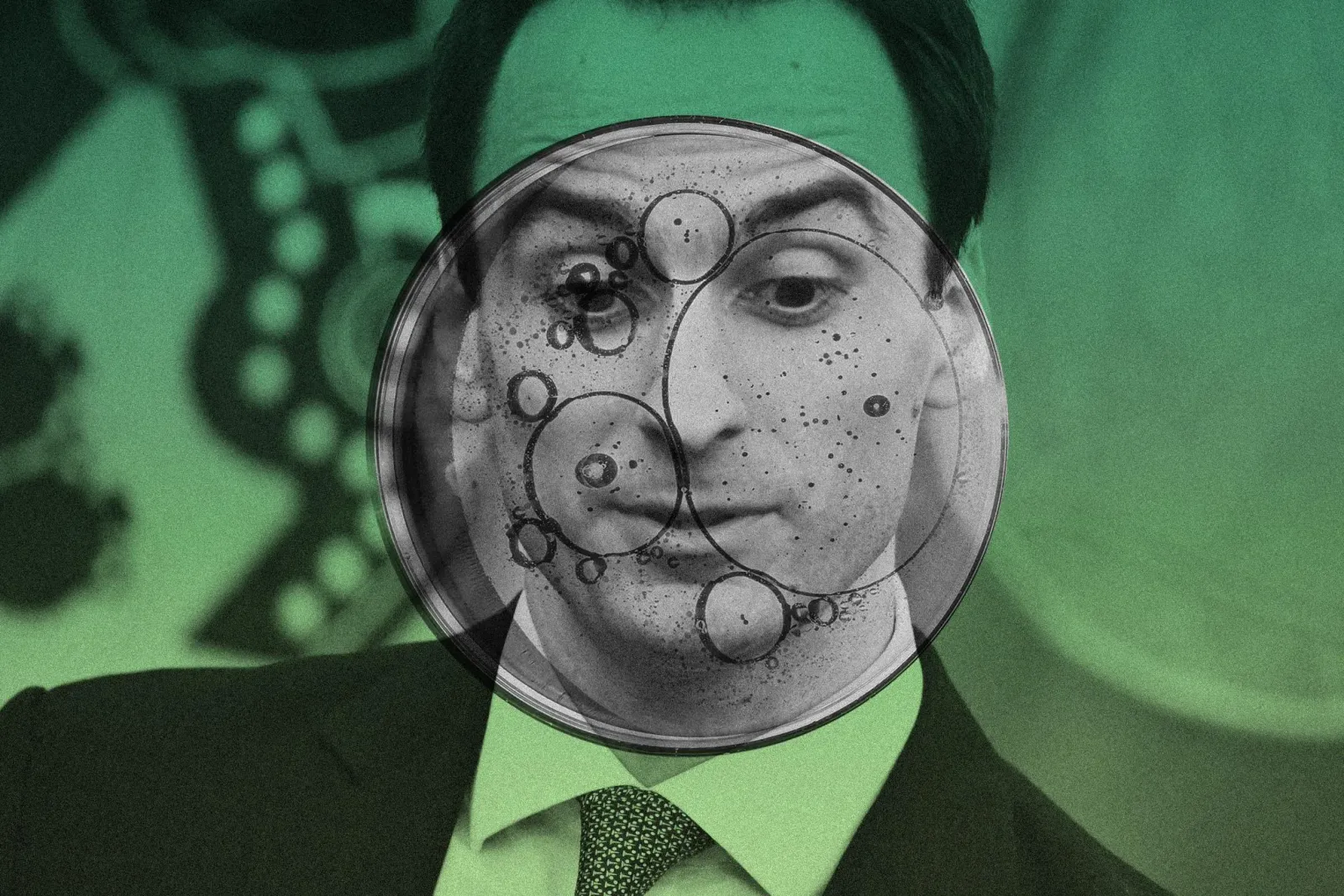
Trump administration science adviser Michael Kratsios, despite having no science background, is promoting a new “Golden Age” of American science on Capitol Hill. The White House also launched the first “Genesis Mission” grants, directing $5 billion toward hundreds of AI-driven science projects, aiming to match Manhattan Project-like urgency.
The Trump administration just set two things in motion at once, and together they sketch a playbook for how Washington wants to run American science in the AI era. First, the administration unveiled the first “Genesis Mission” grants, directing $5 billion toward hundreds of AI-driven science projects. Second, at roughly the same time, science adviser Michael Kratsios was on Capitol Hill selling lawmakers on an equally grandiose vision: a “Golden Age” of American science that would prioritize artificial intelligence, robotics, and nuclear energy and downplay life sciences.
The timing matters. A big pot of money backed by a sweeping narrative is how policy shifts stop being debates and start becoming budgets, procurement plans, and institutional incentives. In this case, the White House described the grants as “comparable in urgency and ambition to the Manhattan Project,” while Kratsios’s message to lawmakers emphasized the areas he wants to accelerate, and the areas he wants to deprioritize. Even without a technical degree on his resume, Kratsios is pushing a funding-and-framing strategy that could reshape what gets built, what gets published, and what kind of research pipelines universities and labs will tailor themselves toward.
There is also a second layer to notice: this is not just “more AI in science.” It is AI-driven science being treated like national mobilization, using urgency language typically reserved for existential moments and major industrial campaigns. “Genesis Mission” is the White House’s branding, but the substance is explicit in the story: $5 billion is aimed at hundreds of AI-driven science projects. That scale changes the ecosystem. When you fund “hundreds” of projects rather than a handful of flagship programs, you increase the chance of parallel experimentation, but you also increase the odds of creating winners and losers across fields that have historically followed different rhythms for funding, staffing, and evaluation.
Kratsios’s Capitol Hill pitch adds another key incentive lever: what he prioritizes politically may become what institutions optimize operationally. The source says his “Golden Age” promise would prioritize artificial intelligence, robotics, and nuclear energy and downplay life sciences. That kind of framing matters because labs and universities do not just chase scientific curiosity. They chase grants, partnerships, and the policy mood that determines what agencies will reward. If life sciences are positioned as lower priority in Washington’s messaging, researchers in those areas may find themselves competing for attention and funds that were previously more balanced.
From a board and leadership perspective, the bigger question is how these policy moves could cascade into procurement and industry strategy. AI-driven science projects are likely to pull on supply chains for compute, sensors, robotics integration, data infrastructure, and specialized talent. And if nuclear energy is explicitly on the priority list, the relevance does not stop at lab benches. It can extend into modeling, materials research, simulation tooling, and systems engineering that interface with energy policy. For executives watching the intersection of deep tech and government, this is a reminder that “science funding” often functions like early-stage demand creation for an ecosystem of vendors.
Regulatory and governance dynamics also loom here, even if the source does not spell them out in detail. Large public programs typically bring with them oversight and reporting requirements. When the White House describes urgency “comparable” to the Manhattan Project, that implies a posture of speed, priority setting, and simplified paths to execution. In practical terms, faster execution can be helpful for innovation, but it can also shift risk toward program administrators and contractors, who may need to manage evaluation standards, ethics, and safety more aggressively. The AI-driven part raises additional governance questions: how projects are assessed, how outcomes are validated, and how data handling and security are governed across many independent efforts.
Finally, there is the reputational and staffing signal, and it is difficult to miss. The story flags that Kratsios “has no science background,” which makes the “science adviser” role itself part of the narrative. Whether you view that as a critique of expertise or a critique of priorities, the result is the same: leadership without a science background can still steer national R&D agendas through budget framing, legislative persuasion, and the ability to package priorities in a way that lawmakers and agencies can support. That is the part executives should take seriously, because it indicates how policy can move even when technical authority is not the main driver.
So the strategic stake for decision-makers is straightforward: similar teams in adjacent sectors need to understand that the next round of scientific funding may reward those aligned with AI-driven methods, robotics, and nuclear energy, while facing a more competitive environment for life sciences. If you are an executive, investor, or operator building in the “AI x science” stack, the Genesis Mission and the Capitol Hill narrative are pointing in the same direction. The money is one lever. The story is the other. In this moment, Washington is pulling both.
This story's Key Insights and Take-aways are locked.
Create a free account to unlock Executive Actions for one credit.
Register to UnlockAlways free for Executives Club members. Join the Club
More in Technology

doubleAI's Maxwell rewrites code while it runs, claims 38x speedups
The Tel Aviv startup's code execution model formally verifies optimizations, turning AI into an agent for the hardware itself.
Saudi military official paid to fly OpenAI bugging suspect's family out, prosecutors say
A court filing says a Saudi military official funded the family's exit and Riyadh offered bail, putting foreign-influence risk squarely on AI boards.

AI researcher's 26,000-word claim: Neural nets aren't tangled after all
Nick Cammarata's Goodfire post has the AI world split - if he's right, monitoring frontier models just got a lot easier.