
Labour aid cuts slash UK bilateral support up to 90% for some African countries
Foreign Office figures outline the next three years, showing bilateral reductions that critics say reshape the UK's role globally.
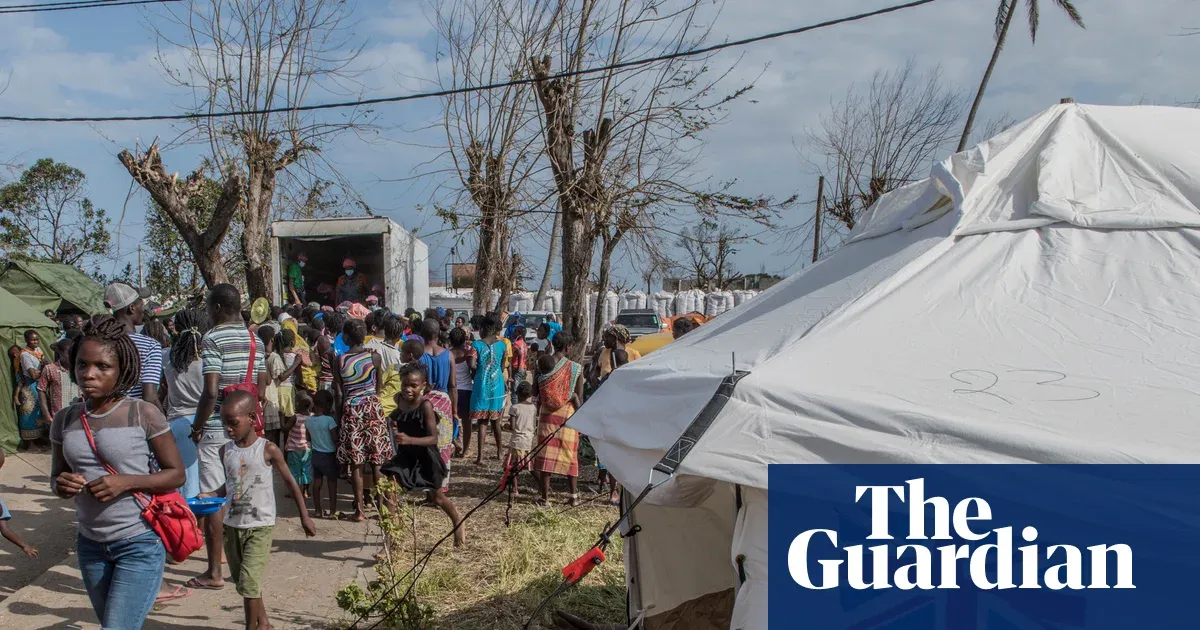
Labour's foreign aid cuts will reduce UK bilateral support to some African countries by as much as 90%, according to Foreign Office figures. The department's annual report includes a long-awaited breakdown showing how the aid budget reduction is expected to affect individual countries over the next three years.
Labour's foreign aid cuts are set to reduce UK bilateral support to some African countries by as much as 90%, according to figures in the Foreign Office's annual report. The report is notable because it is the long-awaited breakdown of how the reduction in the aid budget will play out country by country, with implications for the next three years.
Why this matters right now: bilateral aid is not just “help abroad.” It is a lever that shapes long-term partnerships, influence, and the practical capacity of governments and local programs. When critics frame the move as a “global message about the role the country wants to play on international stage,” they are pointing at something decision-makers cannot ignore. If bilateral support is cut sharply, the UK’s engagement footprint shrinks where it has historically been the most direct. In other words, the debate is not only about totals in an aid budget line, it is about the direction and distribution. The headline number here is blunt: reductions of as much as 90% in bilateral support to some African countries. That is the sort of scale that tends to trigger second-order effects, because development programs are rarely designed to be scaled down gracefully in-year.
To understand why, it helps to remember how bilateral aid typically works. Countries receiving support do not run projects on vibes. Budgets, staffing plans, procurement timelines, and partner funding often align to multi-year horizons. The Foreign Office annual report’s country-by-country outlook for the next three years means the cuts are not just hypothetical. They are mapped to specific recipients, creating a planning constraint that program managers, NGOs, and government counterparts will have to absorb. Even when there is some shift toward other forms of support, a bilateral cut at this scale forces tough choices: reduce coverage, pause activities, renegotiate with implementers, or restructure projects midstream.
This also puts extra pressure on how the UK frames its role internationally. The report’s figures, as described in the story, become a focal point for critics who argue the cuts change the UK's posture on the international stage. For executives and board-level decision-makers in organizations that operate in development and international cooperation, that framing matters because it affects operating environments. The political signal can influence partner governments’ willingness to engage, the priorities of multilateral donors, and how quickly implementers can pivot to alternative funding.
There is another layer that tends to show up when budgets get cut: compliance and governance. Aid flows, particularly bilateral ones, sit inside a thicket of oversight expectations. If funding contracts, there is often a scramble to keep remaining programs compliant, document what was delivered versus planned, and manage audit trails. That can raise administrative burden while simultaneously reducing available resources. The Guardian story points to the annual report’s breakdown of impact across countries over the next three years, which suggests the analysis will not be confined to aggregate numbers. That kind of granularity usually forces institutions to ask: which programs are most exposed, which delivery chains can survive, and where reputational risk shifts.
For businesses and funders that track sovereign and regulatory risk, the executive-level implication is straightforward: government policy changes abroad can ripple into procurement decisions, contracting models, and long-run market access. Even if private-sector involvement is not the headline issue here, the ecosystem around bilateral aid includes service providers, contractors, and local partners. A bilateral reduction of up to 90% can tighten liquidity for those partners, affect project tender frequency, and change how risk is priced. In practice, it can be harder for intermediaries to maintain continuity, which is exactly when outcomes are most fragile.
Zoom out and the strategic stakes become clear for peers in similar roles. Aid policy may live in a different portfolio than energy, healthcare, or defense, but its effect is still about relationships and influence. The Foreign Office annual report, by laying out reductions and their expected country-level impacts, hands counterparties a roadmap for what changes next. If bilateral support shrinks dramatically for some recipients, the UK's future leverage and partnership depth could shift for years, not months.
So the question decision-makers should be asking is not only “how big is the cut” but “what does the cut do to the system.” The Guardian reports that the breakdown is long-awaited, which signals how contested and politically loaded this area has been. And with critics arguing the figures send a global message, the likely outcome is that the aid cuts will be judged not only by fiscal savings, but by what is lost: ongoing capacity, trust built through delivery, and the UK’s direct presence in countries where bilateral support was the main instrument.
This story's Key Insights and Take-aways are locked.
Create a free account to unlock Executive Actions for one credit.
Register to UnlockAlways free for Executives Club members. Join the Club
More in Politics

LA County: DOJ's 20,000 'noncitizen' voter list is 'unreliable,' includes U.S.-born
Preliminary review by Los Angeles County election officials finds errors in the federal list, raising the stakes for voter roll integrity ahead of November.

Trump's $1.5B Pentagon chip investment lands in North Carolina
A $1.5 billion defense infusion for North Carolina chipmaking signals a new era of Pentagon-backed reshoring - here's what it means for the industry.

Nigeria confirms first Ebola case in Abuja, a woman just off a Uganda flight
Health Minister Muhammad Ali Pate says the patient flew in from Uganda, putting Africa's latest outbreak on Nigeria's doorstep.