

Lamborghini’s Urus SE Performante ditches EV plans, bets hybrid on a “fastest Super SUV.”
The super-SUV play signals a post-EV reality check for regulators and luxury manufacturers alike.

Lamborghini revealed the Urus SE Performante, calling it the “fastest Super SUV in the world,” after ditching EVs. For decision-makers, it is a clear market and regulatory signal about where speed, compliance, and demand are actually lining up.
Lamborghini is not just launching another variant. With the Urus SE Performante, the company is positioning a performance hybrid as the headline act and describing it as “the fastest Super SUV in the world.” That is the promise, and it sets the tone for what this release is really about: control of the narrative around performance, not just a pivot toward electrification.
The Urus SE Performante also comes with a sharper subtext. The original reporting frames this launch as happening after Lamborghini “ditching EVs,” meaning the company is choosing a hybrid strategy rather than leaning into a fully electric direction for this moment. That matters because luxury automakers do not make these calls lightly. They are selling a very specific product experience, brand identity included. “Fastest” is not a marketing footnote for a company like Lamborghini. It is a statement about engineering priorities, customer expectations, and what buyers will pay for.
To understand why this is a big deal for executives, zoom out to how EV commitments have reshaped auto boards and budgets. Electrification is no longer only a product roadmap question. It is tied to regulatory pressure, shifting compliance timelines, charging infrastructure realities, and the economics of powertrain platforms. When a manufacturer with Lamborghini’s performance DNA steps back from pure EVs, it is not just making a technical choice. It is deciding where the risk belongs: in battery cost and supply chain uncertainty, or in hybrid systems that can be validated faster and integrated into familiar high-performance architectures.
In plain terms, hybrid can let automakers keep the traits that performance buyers care about, like strong acceleration and the freedom of range confidence, while still moving toward lower emissions compared with purely gas-powered drivetrains. That balance is exactly why a hybrid “super SUV” headline can cut through in a market that is saturated with electrification messaging. If the product delivers, it gives luxury brands something they rarely get from regulation. They get a reason to talk about performance in the same breath as sustainability.
This launch also highlights an important boardroom dynamic: credibility. Luxury car brands build trust with customers by repeatedly delivering on measurable outcomes. Calling the Urus SE Performante “the fastest Super SUV in the world” is a demand for credibility, and it implicitly raises the bar on execution. The market will watch whether the car’s performance messaging holds up, because in this category, perception is expensive. A gap between promise and result becomes reputational drag that takes years to clean up.
Second-order implications for other manufacturers are immediate. If Lamborghini’s hybrid bet resonates, peer brands may recalibrate how they sequence electrification across model lines. Not everyone can or wants to build entirely new platforms from scratch under the same timelines. For executives comparing options, hybrids can become the “bridge” strategy that helps maintain momentum with manufacturing complexity, while still supporting regulatory reporting goals where applicable. That does not eliminate EV investment, but it can change the near-term emphasis.
There is also a capital allocation signal here. When a company “ditches EVs” for a particular product direction, it is effectively telling investors that the expected return profile is better with hybrid for now, at least for the segments where Lamborghini competes. Decision-makers at rivals will take note because these projects are capital intense. Time matters. If customers buy hybrids and the brand experience stays intact, boards can justify focusing spend on performance validation and hybrid integration rather than forcing full-electric timelines that may not match demand.
For executives, the strategic stake is straightforward: Lamborghini is trying to own the performance conversation while satisfying the broader direction of the market. In a world where EV messaging can feel like table stakes, the Urus SE Performante is a reminder that speed and identity still sell. And if “fastest Super SUV in the world” lands with customers, it could push the industry toward a more mixed, more pragmatic approach to electrification, where hybrids earn their place instead of being treated as a compromise.
This story's Key Insights and Take-aways are locked.
Create a free account to unlock Executive Actions for one credit.
Register to UnlockAlways free for Executives Club members. Join the Club
More in Business
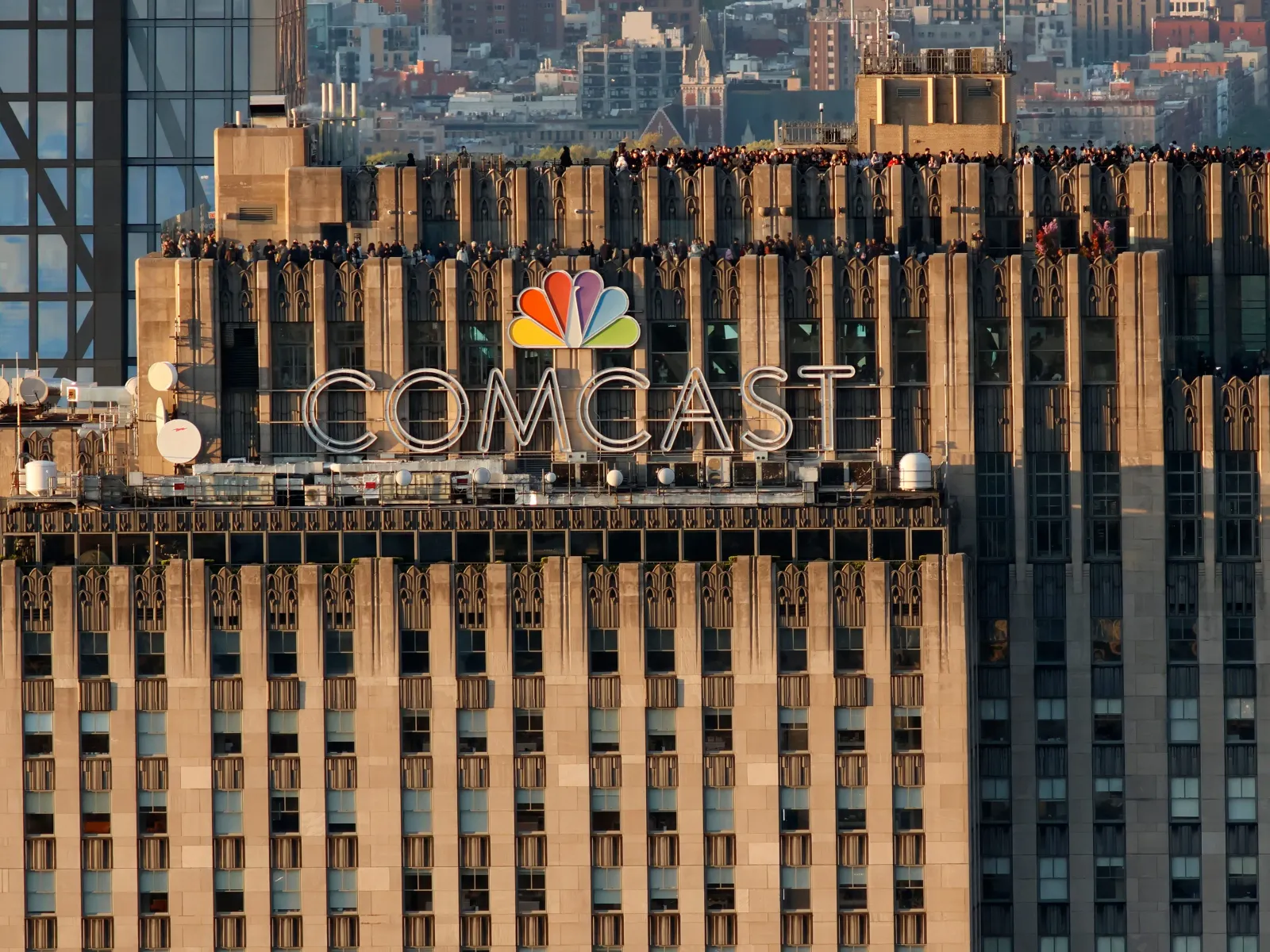
Comcast shares jump 25% as it plans to split NBCUniversal and Sky
The tax-free spin-off could reshape focus, funding, and competition across media and tech for years.

Bungie cuts most Destiny 2 staff as Sony says Marathon still matters
Herman Hulst confirms layoffs affecting most Destiny and some Marathon teams after Bungie admits Destiny fell short.

SK Hynix jumps 11% after seeking up to $29.4B in Nasdaq listing
The chip giant filed for a Nasdaq listing plan that could raise $29.4 billion, instantly reshaping investor expectations.