
Laura Dern’s “I will love you forever, Dr. Alan Grant” after Sam Neill dies at 78
The “Jurassic” co-stars’ tribute follows Neill’s 2022 blood cancer diagnosis and Monday’s death news.
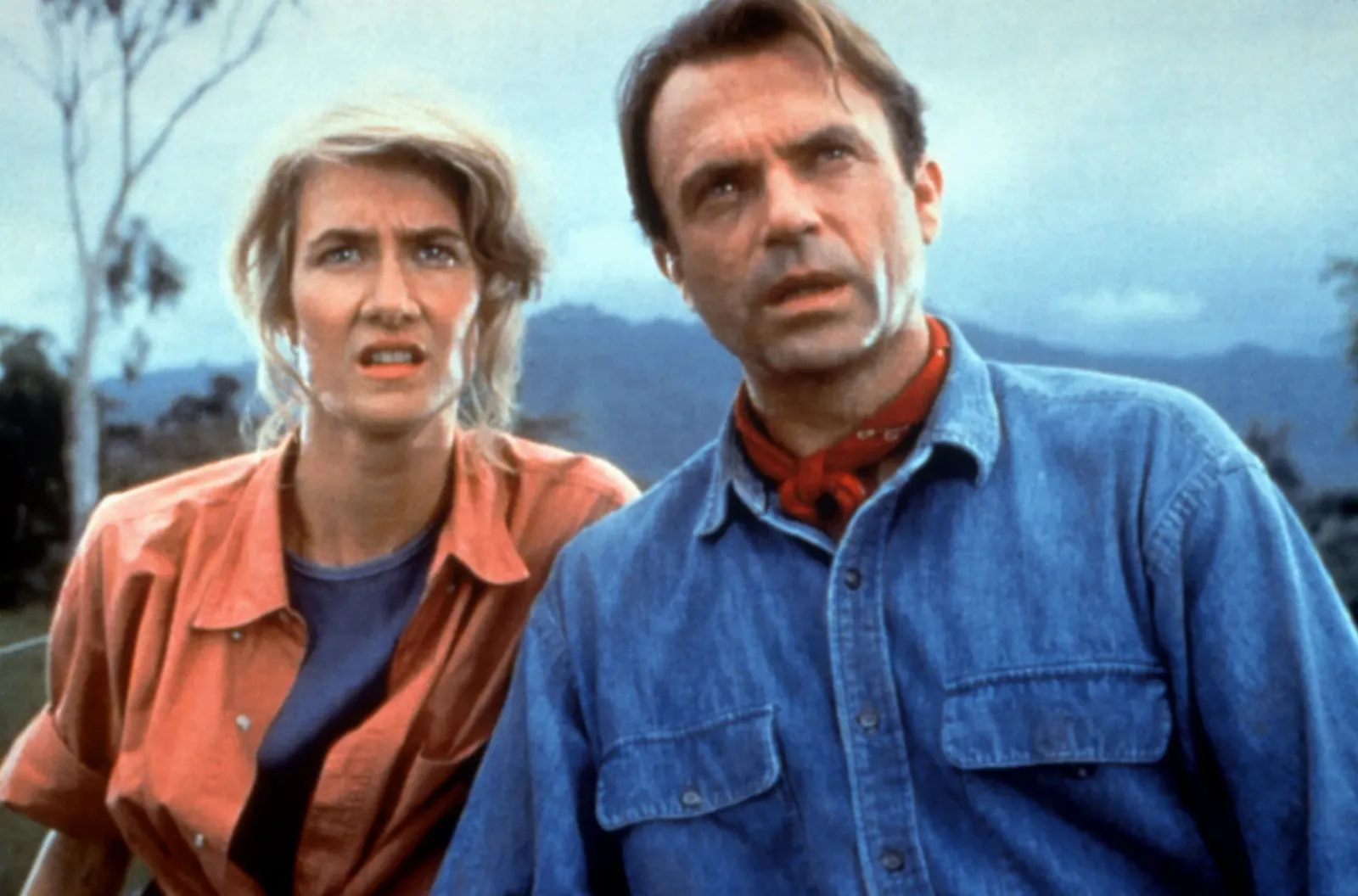
Laura Dern posted an emotional tribute to her “Jurassic Park” and “Jurassic World Dominion” co-star Sam Neill, writing, “I will love you forever, Dr. Alan Grant.” The news broke Monday that Neill died at 78 after being diagnosed with a form of blood cancer in 2022.
Laura Dern’s tribute to Sam Neill landed hard because it was specific, immediate, and unmistakably personal. In her post, the “Jurassic Park” and “Jurassic World Dominion” co-star wrote: “I will love you forever, Dr. Alan Grant.” It is a love letter to the character Sam Neill played, but it also functions as the industry’s rapid response to a real loss: the news broke on Monday that Neill died at the age of 78.
This matters beyond fandom because Neill was not just an actor in a franchise. He was a recurring cultural anchor for a whole generation of moviegoers, and his character, Dr. Alan Grant, helped define what “Jurassic” meant on-screen. When Dern frames her affection around Grant, she is doing more than mourning. She is signaling continuity, the way major studios and long-running IP rely on emotional equity to survive cast changes, scheduling realities, and the constant churn of entertainment attention.
According to the report, Sam Neill was diagnosed with a form of blood cancer in 2022. The same piece notes that Neill revealed this earlier, meaning the diagnosis was not a total surprise to the public. That distinction is part of what makes Monday’s confirmation feel so final. When an illness becomes known, audiences often shift from “will he be okay?” to “how much time is left?” That psychological pivot can be brutal, and public figures absorb it in real time. Dern’s quote reads like a close-the-loop moment, turning an ongoing storyline of public awareness into a definitive ending.
From a business perspective, “Jurassic” is exactly the kind of franchise that keeps executives awake at night, even when the box office is strong. Long franchises are built on recurring characters, recognizable faces, and the audience’s trust that sequels will respect the emotional core of the originals. When a figure like Neill dies, it creates a new kind of risk: not just contractual or production planning risk, but brand risk. Even the most experienced IP teams have to navigate how to honor legacy without freezing creative momentum.
There is also the human side that executives and boards cannot fully separate from the operational one. In industries where reputations and relationships matter, the way co-stars, collaborators, and studios respond becomes part of the public narrative. Dern’s tribute, especially because it is framed around a role title and character name, reinforces how deeply “Jurassic” is tied to personhood, not just marketing. That is the sort of messaging that can preserve goodwill during uncertain moments, when fans might otherwise worry the franchise is shifting into something colder and more purely commercial.
The reporting also points to why this kind of news travels so fast. The original announcement broke Monday, and within that immediate window, tributes start flowing across entertainment channels. That speed is not random. It is how public memory is managed in the attention economy. If a major figure dies, the first wave of tributes sets the tone for the rest of the conversation, influencing how audiences interpret the next chapter, whether that is future media, re-releases, or any ongoing discussions about the franchise’s legacy.
For decision-makers, there is an additional second-order implication: illness disclosures and public revelations can change how an organization communicates during a crisis. Here, Neill’s 2022 blood cancer diagnosis being public earlier shapes expectations. It reduces speculation about secrecy, but it also heightens scrutiny and urgency. Executives in adjacent industries, including media, sports, and live events, know this pattern. Transparency does not prevent grief, but it does affect the timing and intensity of public reactions, which in turn affects how quickly teams need to align on messaging.
Finally, Dern’s line, “I will love you forever, Dr. Alan Grant,” serves as a reminder that legacy is not a strategy document. It is a feeling audiences carry, and it is built by people who do the work, then get remembered. When Sam Neill, 78, is gone, that legacy becomes harder to replace, which is exactly why executives leading franchises and boards overseeing long-term IP should treat co-star relationships and character identity as more than brand assets. They are part of the franchise’s emotional infrastructure, and when that foundation shifts, the entire system feels it.
This story's Key Insights and Take-aways are locked.
Create a free account to unlock Executive Actions for one credit.
Register to UnlockAlways free for Executives Club members. Join the Club
More in Entertainment

12TB Steam 'teraleak' goes beyond Valve: GTA 3, Mafia 2 prototypes exposed
A 12-terabyte dump of Steam data reveals prototypes and builds of third-party classics like GTA 3 and Mafia 2, plus unreleased Valve content, rewriting game history.

LinkedIn's romance problem: 1 in 4 workers say dating on it is fair game
A new survey shows a quarter of U.S. employees treat the professional network as fair game for romance, even as LinkedIn bans it and removes hundreds of thousands of offending posts.

Enhypen's first No. 1 album breaks K-pop's Billboard 200 streak
The K-pop group's 98,000-unit debut tops the chart while Dolly Parton's catalog reentry shows how death reshapes streaming.