
Laura Donnelly previews Sugar Season 2: darker, more violent, bigger mystery with Colin Farrell
Donnelly tells Collider what changes when John Sugar returns to Los Angeles, plus what she is lining up next.
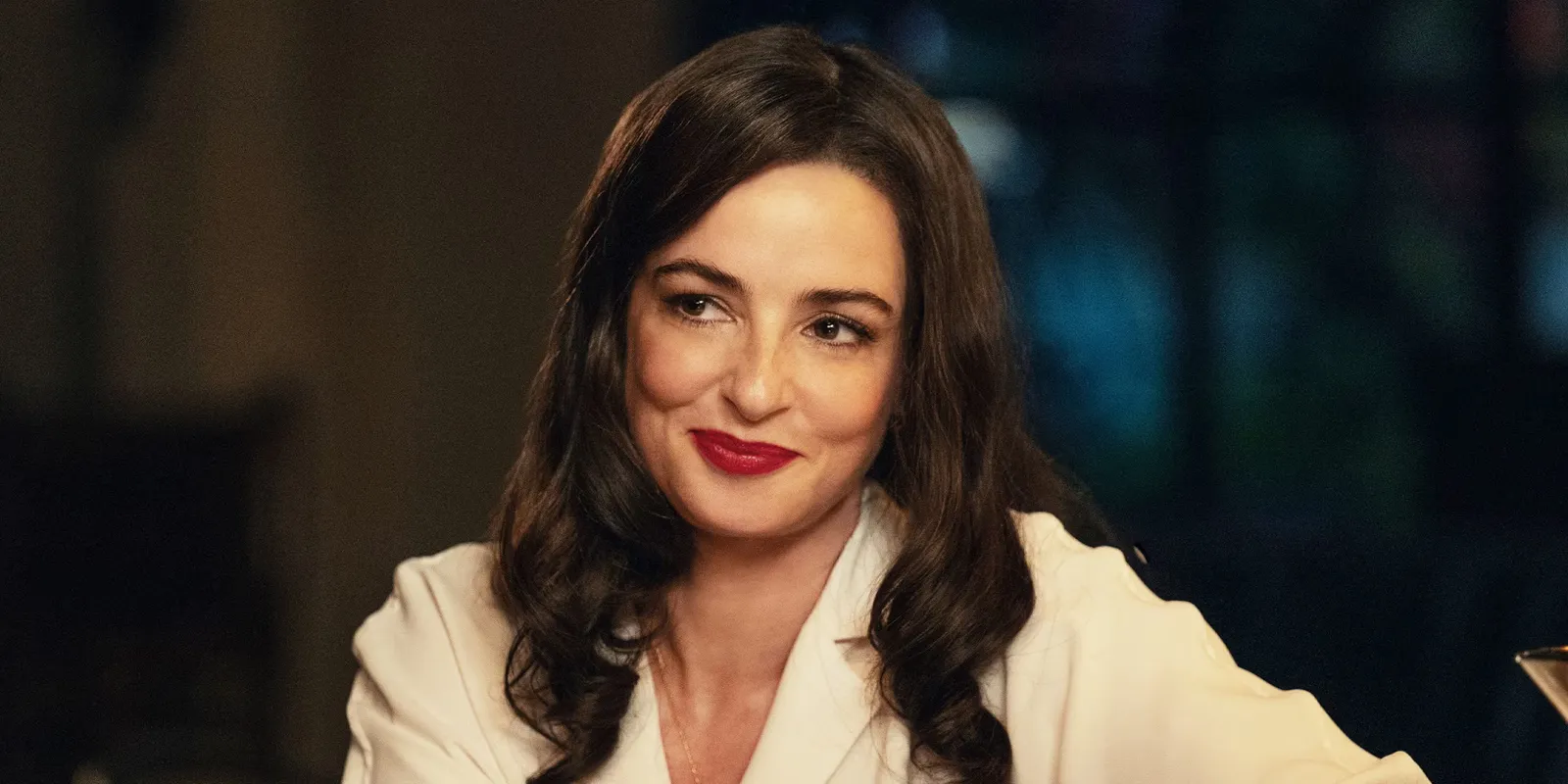
Laura Donnelly, starring in Apple TV's Sugar Season 2, discusses working with Colin Farrell and what the new season turns up. For decision-makers, the interview signals how major-streaming series are evolving their creative risk profile and franchise energy.
Laura Donnelly is back in Apple TV's Sugar Season 2, and she is not selling it as a softer sequel. Talking with Collider’s Steve Weintraub, Donnelly says the return is “darker, and it goes more violent, and it also goes more beautiful and more innocent,” with new characters and an even bigger mystery to explore. In other words, John Sugar’s next case is not just bigger. It is sharper, with a wider web of consequences spreading across Los Angeles.
In Season 2, Colin Farrell plays Sugar, the curious private detective, who is ready to take on a new case. This time, he is searching for an up-and-coming boxer’s missing older brother, while still looking for his own beloved sister. As the case expands across Los Angeles in an evolving sinister conspiracy, Sugar has to ask how far he is willing to go for what is right. That is the core tension Donnelly points to, and it matters because series like this do not survive on vibes alone. They survive on escalating stakes that keep viewers returning week after week, while giving writers room to tighten character arcs, reveal secrets, and reward attention.
Donnelly is uniquely positioned inside this ecosystem. She is a Tony Award-nominated stage and screen actress, and her work spans Broadway to Marvel’s Cinematic Universe. She is now joining DC alum and Academy Award nominee Colin Farrell, bringing a theater-honed performance discipline into a crime thriller format on a streaming platform. The business takeaway is simple: when a show recruits talent with both prestige and range, it can push creative boundaries without losing credibility with audiences who notice casting. In an industry where shows often face churn risk after a season or two, that kind of credibility can be a differentiator.
There is also a behind-the-scenes signal in the interview. While the hit show may have found a new showrunner in writer Sam Catlin, Donnelly frames the shift as an evolution rather than a reset. She describes the Season 2 tone as simultaneously darker and more beautiful and more innocent, which is a pretty specific balancing act for any crime series. That duality can be a production and storytelling strategy: lean into violence and threat while keeping emotional warmth, so the audience stays invested in characters even as the conspiracy gets uglier.
For executives, the incentives in streaming are straightforward: the platform wants retention, the studio wants brand value, and the creative team wants enough freedom to deepen the mythology. Donnelly’s description of “new characters” and “an even bigger mystery” implies the writers are expanding the narrative toolkit, not just adding plot points. In practice, bigger mysteries require more than longer episodes. They require clean reveal mechanics, consistent character motivation, and a conspiracy structure that can hold up under binge scrutiny. That is a tall order, especially when the main question is moral: how far is Sugar willing to go for what is right.
This is also where second-order implications show up for other players in the market. When a series commits to escalating violence while promising beauty and innocence, it is effectively saying, “We are confident audiences will stay.” That confidence is partly creative and partly commercial. It also affects how other shows benchmark tone, pacing, and cast-led marketing. If Sugar leans into a more intense Season 2 while maintaining emotional anchors, it becomes a reference point for networks and streamers deciding what kind of risk they can take without losing the core audience.
And Donnelly’s calendar is not limited to Sugar. Collider also notes her upcoming Kennedy biopic series. While the interview centers on her Marvel-adjacent and Farrell-led detective work, it underlines a bigger industry pattern: high-profile actors increasingly stack IP worlds and formats, moving between cinematic universes and prestige series. For decision-makers, that means scheduling, casting leverage, and cross-franchise audience attention all become part of the same equation.
So what should peers watch for? Sugar’s Season 2, as Donnelly describes it, is building an expanding Los Angeles conspiracy around a missing-brother case and Sugar’s ongoing search for his sister, all while shifting tone under Sam Catlin’s showrunning. If you are an operator, producer, or investor evaluating a crime franchise, the lesson is that sequels win when they raise stakes in a way that feels inevitable, not forced. Donnelly’s comments suggest Season 2 is doing exactly that: darker. More violent. More beautiful and more innocent. And armed with a mystery big enough to justify the return.
This story's Key Insights and Take-aways are locked.
Create a free account to unlock Executive Actions for one credit.
Register to UnlockAlways free for Executives Club members. Join the Club
More in Entertainment

Russell Brand's accuser 'bewildered and confused' as he denies 7 sex charges
The criminal case against the comedian is a live test of how media companies manage talent risk when serious allegations go public.

'It's a Magic Trick': Ballet Experts Say Rosalía's SNL Pose Is Impossible
Three ballet experts tell Rolling Stone Rosalía's gravity-defying SNL stillness shouldn't be possible - and why the debate is now part of the show.

Activision CMO: GTA 6 Will Boost Call of Duty, Not Bury It
Activision's top marketer says Rockstar's blockbuster will drive players back to consoles and into Modern Warfare 4, even as the company admits its recent strategy failed.