
Leak exposes Dialog retreat list including Kushner and Scott Bessent, Reuters? No, Guardian says
A leaked directory named participants at Peter Thiel's invitation-only Dialog retreats, pulling politics, tech, and media into one spotlight.
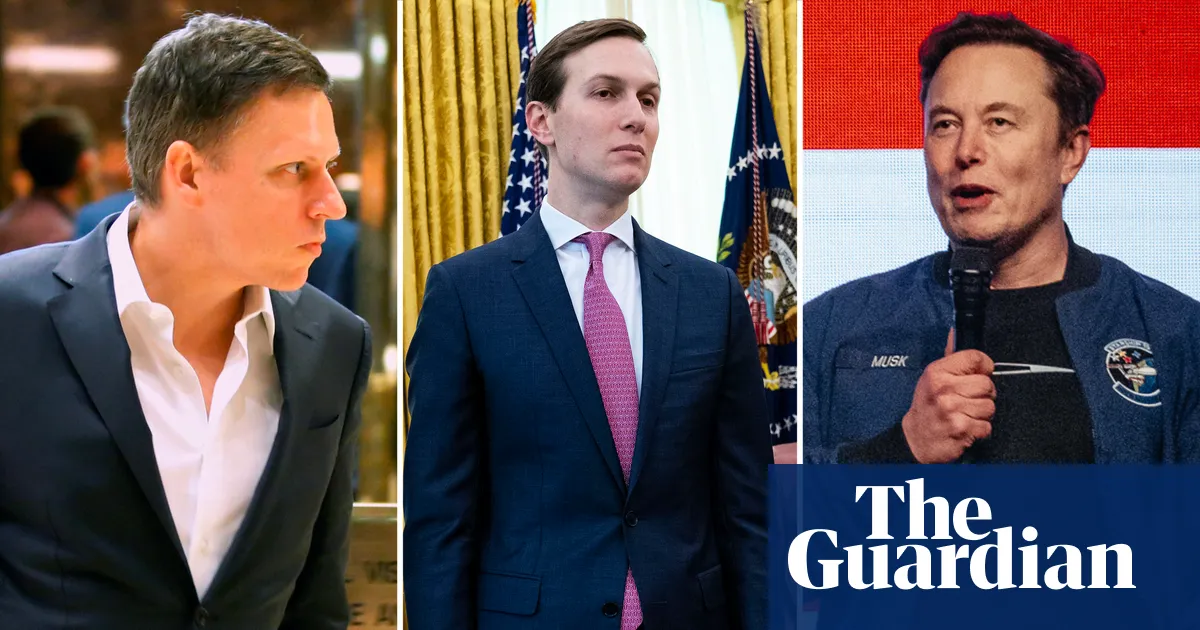
A leaked online directory exposed participants in Peter Thiel-founded Dialog retreats, listing figures including Jared Kushner and Scott Bessent. For executives and board members, the breach raises questions about influence pipelines and reputational and compliance risk around elite convenings.
A website leak has exposed who attended Peter Thiel-founded Dialog retreats, naming figures including Jared Kushner and Scott Bessent in a directory of participants. According to The Guardian, the exposed list includes top politicians from across the American divide, officials from foreign countries, major figures from the tech industry, and prominent media figures. In other words, this is not a niche rumor or a fringe party guest list. It is a map of a high-stakes network that many participants likely assumed would stay private.
The leak matters because Dialog retreats are invitation-only and “secretive” by design. The Guardian reports fairly little is known about the invitation process or the full mechanics of the annual gatherings. They are usually held at luxury establishments around the world and feature organized discussions on global affairs. That combination is exactly why a leaked directory flips the power dynamic: it turns a largely opaque elite conference into something closer to publicly readable influence infrastructure.
The event itself is annual and began in 2006, and The Guardian notes that it has been compared to other quasi-secret elite conferences like the Bilderberg Group and Bohemian Grove. Those comparisons are not just trivia. They point to a familiar pattern in how elite convenings work: a small number of insiders gather away from standard political and corporate scrutiny, where discussion can be candid and relationships can form quickly. If you are an executive or board member, this is the kind of environment where informal alignment can precede formal decisions. A leak does not automatically change policy outcomes, but it can change how seriously others treat the optics, and how cautious participants become about what they say and who can later link them to it.
For a politically connected tech figure, or a media executive used to covering the corridors of power, the second-order effect is reputational and operational. The Guardian describes Dialog as featuring organized discussions on global affairs, and with such content comes sensitivity. Even if the leak only reveals names and participation, name-based exposure can trigger follow-on scrutiny: questions about conflicts of interest, transparency, and who is shaping narratives behind the scenes. And when the directory includes politicians from across the American divide and officials from foreign countries, it broadens the potential audience for scrutiny, including regulators and watchdogs.
There is also a boardroom implication that will land with finance and compliance leaders. Invitation-only conferences often sit in the gray zone between normal networking and influence-related activity. Many organizations already have policies that govern gifts, travel, sponsorships, and outside events, but the harder question is usually not “is there a policy?” It is “can we demonstrate we complied?” A publicly exposed participant list can complicate due diligence for anyone maintaining vendor relationships, partnership plans, or comms strategies with organizations that orbit elite convenings. Even without new evidence of wrongdoing, increased public attention can force internal reviews, because silence looks worse than a checklist.
Regulatory framing adds fuel to that risk. The Guardian does not claim that the leak changes any legal outcome, but it does emphasize that “fairly little is known” about the retreats and that they have been compared to other quasi-secret gatherings. In the current era, regulators and policymakers tend to look at information asymmetry and undisclosed relationships. When participation details become public, it can increase pressure for explanations, especially in sectors where government policy and private capital intersect. Tech industry titans appearing alongside top politicians and prominent media figures will naturally raise questions about access and agenda-setting.
What is striking is how this shifts Dialog from a private brand to a public dataset. The Guardian says some participants have been revealed in previous media reports. But a leaked directory exposed online adds a different texture: it can feel more complete, more searchable, and more durable than scattered reporting. That can change how other executives approach similar gatherings. If the attendees at Dialog can end up publicly listed, then any comparable conference becomes a potential compliance and reputational test. For leaders deciding whether to accept an invitation, the calculus becomes less about prestige and more about controllability: who else might be named later, and what narrative will form around attendance.
For peers in adjacent roles, the strategic stake is simple and sharp. If you operate at the intersection of technology, media, and politics, elite convenings can accelerate relationships and shape the tone of global discussions. A leak does not eliminate that influence, but it can alter who participates comfortably and who insists on guardrails. In that sense, this is less about one leaked list and more about the vulnerability of the modern power network itself.
This story's Key Insights and Take-aways are locked.
Create a free account to unlock Executive Actions for one credit.
Register to UnlockAlways free for Executives Club members. Join the Club
More in Technology

Nvidia's $89B data center quarter: the 9 companies cashing in
The AI buildout is minting fortunes beyond GPUs, and memory, cloud, and cooling suppliers are riding the same wave.

Google quietly links your phone number to every Android account on your SIM
Adding a SIM now ties your phone number to all Google accounts - and future accounts inherit it. Here's the security and privacy stakes.

Hijacker AI 'Skynet mode' runs 100,000 attack steps against exposed models
Symantec caught a criminal AI agent that borrows other models, steals data, and mines crypto; the only relief is no confirmed victims yet.