

LEGO’s Dungeons & Dragons Red Dragon’s Tale is sold out everywhere before July 31
The 3,745-piece set ($359.99) vanishes from Amazon, Target, Walmart, Best Buy, and LEGO.com days ahead of retirement.
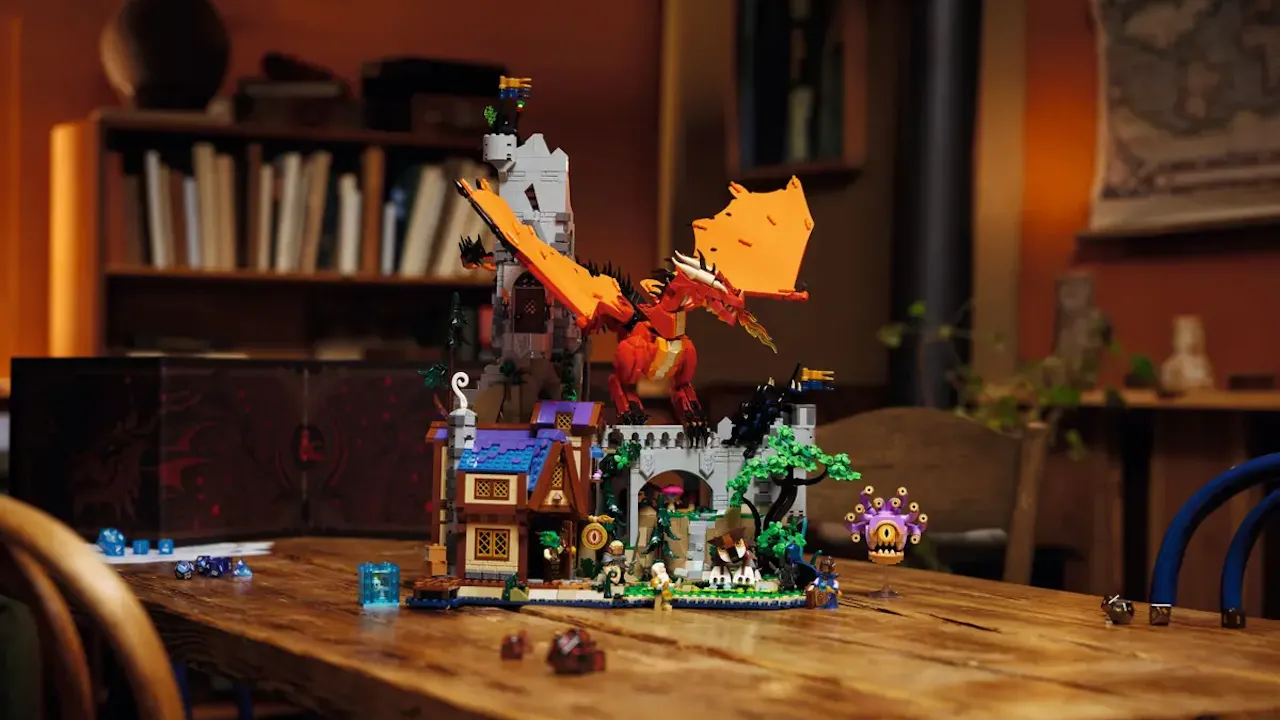
LEGO’s Dungeons & Dragons: Red Dragon's Tale set, a 3,745-piece build, is already sold out at major retailers and LEGO.com ahead of its official retirement on July 31. For decision-makers watching demand signals, this is a fast inventory burn that can reshape planning for collectible-adjacent categories and merchandising windows.
LEGO’s Dungeons & Dragons: Red Dragon's Tale set is officially set to retire on July 31, but the market is effectively calling time today. IGN reports that all major retailers that carry LEGO sets are out of stock, including Amazon, Target, Walmart, and Best Buy. Even if you go straight to LEGO’s own site, you run into the “sold out” message.
That timing matters because the set is not a small, simple release. It’s a gargantuan 3,745-piece build priced at $359.99 at retail. In other words, this is a premium, high-intent product where “sold out” is not just a status update. It is the moment buyers lose their easiest path to purchase and sellers lose the ability to capture last-minute demand before retirement closes the production door.
So what exactly is vanishing? The set recreates Cinderhowl the Red Dragon from Wizards of the Coast’s iconic tabletop RPG. Visually, it leans into LEGO’s strengths: big architecture, detailed textures, and a “look across the room” color story. IGN notes the castle stands over 19 inches tall, over a foot wide, and over a foot deep. The build includes a brick-built Beholder that is described as one of the most unique uses of LEGO bricks the reviewer has seen.
The kit also comes with six minifigures: an innkeeper, Dragonborn, and four different adventurers that represent the four classic Dungeons & Dragons classes. This is a key point for anyone thinking about merchandising. It is not only a display piece. It is also packaged with character variety that supports play, collecting, and gifting. And on top of the physical contents, LEGO includes a downloadable digital Dungeons & Dragons campaign that is designed around using the bricks as your game pieces.
IGN’s Kevin Wong had the chance to build it, and his take centers on how busy the model feels while you’re constructing it. He points to “little nooks and crannies,” new things to see and explore at every turn, and how the bright blues and reds against the castle’s neutral grays stand out from across the room. That kind of build experience matters because high-piece sets often earn their demand through the “wow” factor, not just the franchise name.
But the bigger story here is what happens when retirement timing meets real consumer behavior. IGN explains the basic rule: once a LEGO set officially retires, production essentially stops. Some sets can linger in stock outside the LEGO Store after their retirement date, but popular builds tend to disappear from major retailers before then. The implication is straightforward for operators and investors: the moment you see “sold out” across multiple mainstream channels before the official stop date, it is often a sign that inventory is being pulled faster than the typical clearance window.
Still, LEGO’s retirement does not make the set impossible to buy. IGN notes that retired LEGO sets can frequently be purchased from eBay or third-party sellers on Amazon, usually at marked up prices. You can also find secondhand listings at a discount, but you take a real risk: missing pieces. That second-order effect is a quiet tax on the buyer. If someone’s goal is to build the model exactly as designed, missing parts can turn a “deal” into an expensive replacement hunt.
And for executives tracking collectible-adjacent demand, this sold-out moment has ripple effects beyond this one set. When high-priced, franchise-driven products hit the “last chance” phase early, it changes how customers search, when they switch retailers, and how third-party sellers set prices. It also shifts consumer trust dynamics. Buyers who feel squeezed by timing, especially with a $359.99 SKU, may be more likely to move earlier on future releases or to seek alternatives. In short, the retirement calendar becomes less of a marketing timeline and more of a supply shock.
The immediate takeaway is simple: if you were planning to buy the LEGO Dungeons & Dragons: Red Dragon's Tale set, the mainstream shelves are already empty. The strategic stakes for peers are less obvious but equally real. Retirement is supposed to be a clean end-of-life signal. Here, the end is arriving early in practice, across Amazon, Target, Walmart, Best Buy, and LEGO.com, turning a July 31 retirement into an immediate purchasing window that closes fast.
This story's Key Insights and Take-aways are locked.
Create a free account to unlock Executive Actions for one credit.
Register to UnlockAlways free for Executives Club members. Join the Club
More in Business

Uber buys Delivery Hero for nearly $15B, vaulting to top food delivery outside China
The deal doubles Uber's dual-services footprint and pushes a ride-and-eats bundling play into 50 more markets.

Epic and Google drop settlement bid, forcing rival Android app stores by July 22
Google told the court it is ready to carry third-party app stores starting Wednesday, July 22.

SK Hynix opens at $170, raises $26.5B, and tops foreign IPO records
In Friday's Wall Street debut, SK Hynix turns AI RAM demand into a $26.5B fundraising moment that rewrites comps.