

Leveraged ETFs are booming in 2026, and critics warn they may amplify stock-market volatility
Risky leveraged ETFs are surging in 2026. The debate: more volatility as a feature for traders, or a system-level risk.

MarketWatch reports that risky leveraged ETFs are booming in 2026, alongside concerns they could be making the stock market more volatile. The argument matters for decision-makers because it changes how you think about trading behavior, market stability, and risk controls.
Risky leveraged ETFs are booming in 2026, and a loud debate has followed: are these products helping traders amplify returns, or are they quietly making the broader stock market more volatile? Some traders, according to the report, see big swings in the underlying stocks as a feature, not a bug. That single framing is the whole story. When you design and trade tools that intentionally magnify daily moves, you are not exactly building a serenity engine.
The market question for executives is simple, even if the product is not. Leveraged ETFs are meant to deliver amplified exposure over short horizons, and that can translate into sharper price reactions in the underlying stocks. The MarketWatch piece highlights that some people who gravitate toward these products treat the big swings as the point. If that demand grows, volatility can become more than an outcome. It can become an input into behavior, because traders who want magnified moves may respond more aggressively to market moves than they otherwise would.
To understand why regulators and market participants care, you need the incentive mismatch at the center. Leveraged ETFs typically attract short-term traders chasing movement, not slow investors hunting fundamentals. In calmer markets, that distinction may not matter much. But when markets start moving, these products can accelerate feedback loops. Price moves can trigger more activity, and more activity can push prices harder. Even without any single coordinated actor, a crowd of leveraged-positioning traders reacting at roughly the same time can make swings feel faster, bigger, and harder to fade.
Now zoom out to the regulatory backdrop. Leveraged ETFs have been under scrutiny for years because the promise is easy to market, while the path dependency can be harder for buyers to internalize. A fund that targets daily performance is not the same thing as a fund that targets a longer-term multiple, because compounding and day-to-day rebalancing effects can produce results that diverge from what some investors expect over time. That is part of why debates around these products never really die. They are simultaneously tools for traders and risk magnets during turbulent periods.
Board-level relevance is where the story becomes uncomfortable. If volatility increases, it does not stay politely contained within the trading desk. It can affect market liquidity, the cost of hedging, the willingness of counterparties to take risk, and even how quickly investors switch from “buy the dip” to “run the exits.” For public companies, larger underlying-stock swings can show up in the way analysts frame risk, in the assumptions embedded in guidance, and in how executive teams think about capital markets windows. For institutional managers, it can change how risk models behave in real time, because volatility regimes can shift faster than many dashboards are built for.
There is also a governance angle. If your company has a shareholder base that increasingly interacts with high-turnover, high-volatility instruments, investor communications may need to account for how the market digests information. The MarketWatch framing is that the traders see swings as a feature, not a bug. That means you cannot treat volatility purely as noise. In some segments of the market, volatility is viewed as tradable opportunity, which can reinforce it. When that happens, executives should expect that price movements may not map neatly to fundamentals on any given day.
So what should decision-makers take from this 2026 boom? The immediate takeaway is not that leveraged ETFs are inherently “bad.” The source is specific: some traders like the big swings, and some worry those swings could be making the stock market more volatile. That conflict of incentives is the engine. The second-order stake is that as these products grow, the market’s volatility profile could change, not just because of macro events, but because of how traders use the instruments to express views. If you sit on a risk committee or run investor relations, the right posture is to assume that volatility can become more persistent when market participants are incentivized to respond to it aggressively.
For peers, the strategic question is whether their risk planning and market assumptions are built for a world where volatility is actively sought, not just endured. The MarketWatch report sets up that tension clearly: leveraged ETFs are booming in 2026, and the debate is whether that popularity increases volatility for everyone, even those who never touch the product.
This story's Key Insights and Take-aways are locked.
Create a free account to unlock Executive Actions for one credit.
Register to UnlockAlways free for Executives Club members. Join the Club
More in Business

AstraZeneca $27B wipeout as Wainua late trial misses cardiovascular target
A failed late-stage heart study triggered a swift market punishment, forcing investors and boards to reset timelines and risk.
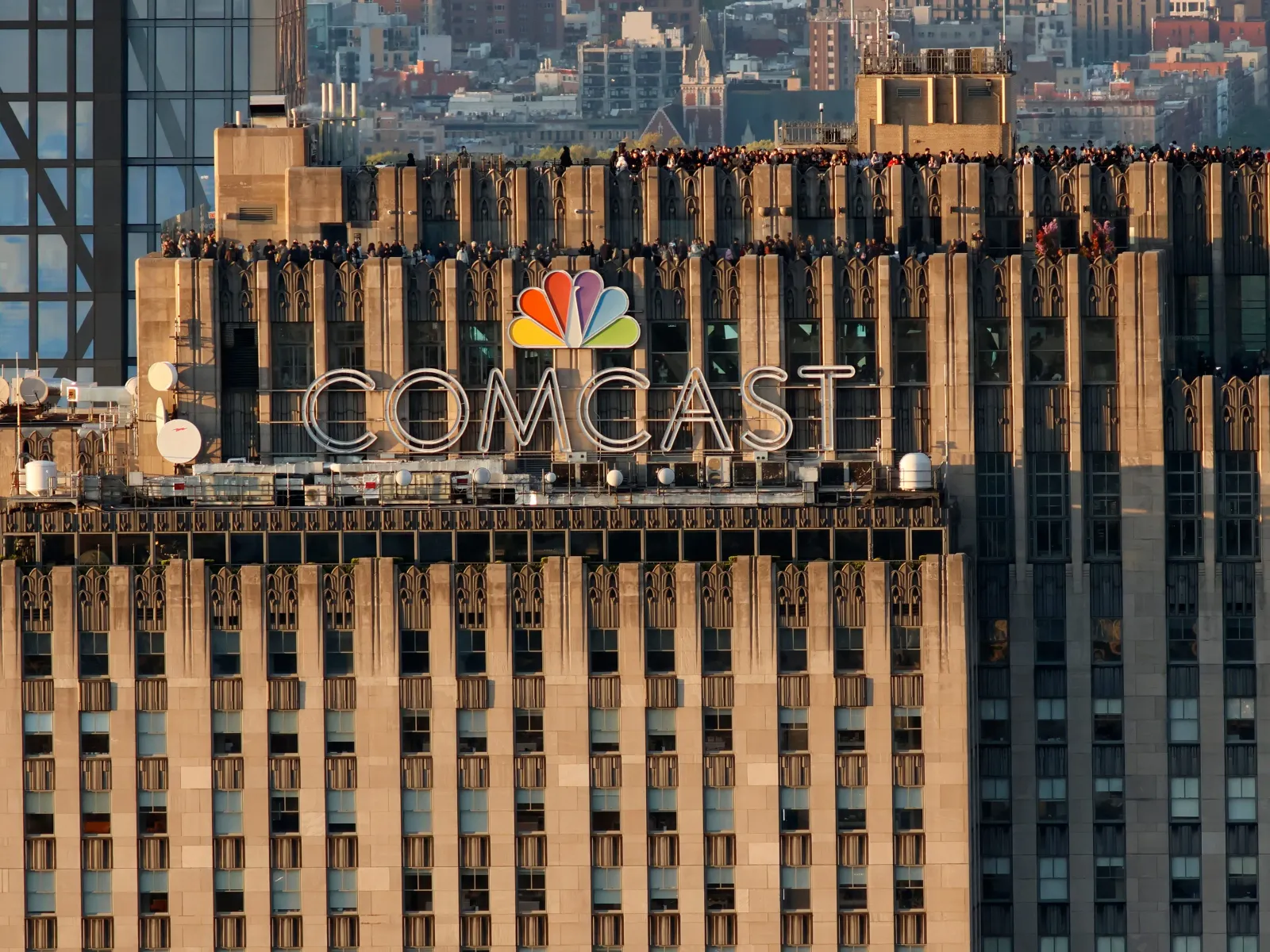
Comcast shares jump 25% as it plans to split NBCUniversal and Sky
The tax-free spin-off could reshape focus, funding, and competition across media and tech for years.

Bungie cuts most Destiny 2 staff as Sony says Marathon still matters
Herman Hulst confirms layoffs affecting most Destiny and some Marathon teams after Bungie admits Destiny fell short.