
Levi Strauss crushes fiscal Q2 beats, lifts guidance and dividend
The apparel retailer clears top- and bottom-line expectations in fiscal 2026 second quarter, then signals confidence with raised guidance.

Levi Strauss reported fiscal 2026 second quarter results that beat expectations on both revenue and profit and raised its guidance. The company also increased its dividend, affecting how investors and boards underwrite its cash returns.
Levi Strauss just turned in a fiscal 2026 second quarter that checked all the boxes that matter to public-market shareholders. The company beat quarterly expectations on the top line and the bottom line, and it backed that performance with raised guidance. Then it did something even more specific: it raised its dividend.
That combination matters because it is not just a “beat and raise” headline. It is a signal that Levi Strauss believes the improvement is real enough to flow through multiple financial layers. Beating on the top line suggests demand and revenue resilience. Beating on the bottom line implies costs and margins did not sabotage the story. Raising guidance says management expects those conditions to continue beyond the quarter. And raising the dividend says the board is comfortable committing cash to shareholders, not just promising future growth.
For decision-makers, this kind of quarter is a useful reference point in a market where guidance is treated like a high-stakes forecast, not a polite suggestion. Consumer-facing businesses, especially apparel brands, live on a tight linkage between pricing, product cycles, promotional intensity, and inventory discipline. When results outperform and guidance rises at the same time, it reduces the probability that the quarter is being propped up by unusual one-offs. Investors can underwrite a more stable earnings pathway, and boards can justify aligning shareholder returns with performance.
Levi Strauss is also operating in a world where dividends and capital allocation decisions are scrutinized as signals of confidence. A dividend increase tends to come with a governance question behind the scenes: can the company sustain the cash outflow without forcing cuts later? Raising a dividend after a beat suggests that management and the board believe cash generation is not a short-term fluke. In plain terms, it means the company is not just feeling good, it is trying to lock in a shareholder benefit.
The “beat on top and bottom line” is the financial part, but the strategic implication is bigger. For apparel peers and retailers watching results, the market reads this as evidence that Levi Strauss can manage the dual challenge of staying relevant while protecting profitability. Apparel is notoriously sensitive to consumer spend swings, freight and sourcing costs, and changes in promotional calendars. When a brand can improve across both revenue and profit in the same quarter, it suggests operating leverage is working, not just luck.
There is also a timing dynamic in how companies communicate. Fiscal Q2 results are the midpoint check that can shape investor expectations for the back half of the year. Guidance raises are often used to adjust those expectations before the market gets to “wait and see.” So when Levi Strauss raises guidance alongside delivering the quarter, it is moving the goalposts early, which can reprice how investors think about future quarters. For traders, that means the stock can re-rate quickly. For long-term holders, it can shift the base case, which affects valuation and the cost of capital.
Capital return is the final layer. A dividend increase typically strengthens the company’s story for investors who prefer current cash yield, not just upside volatility. It can also influence board priorities, because consistent dividend policy often requires disciplined working capital management, continued margin control, and a realistic view of how much cash the business can reliably produce. Even without additional details here, the direction is clear: Levi Strauss is pairing financial execution with a tangible shareholder commitment.
For other executives and boards in consumer brands, the takeaway is straightforward but important. When a company beats quarterly expectations on both revenue and profit and then raises guidance and the dividend, it creates a credibility stack. It is a quarter that can stabilize investor confidence and improve the narrative going into the next reporting periods. If you are leading a similar business, the bar is not just delivering numbers. It is matching performance with forecasts and shareholder returns quickly enough that the market believes the improvement is durable.
This story's Key Insights and Take-aways are locked.
Create a free account to unlock Executive Actions for one credit.
Register to UnlockAlways free for Executives Club members. Join the Club
More in Business
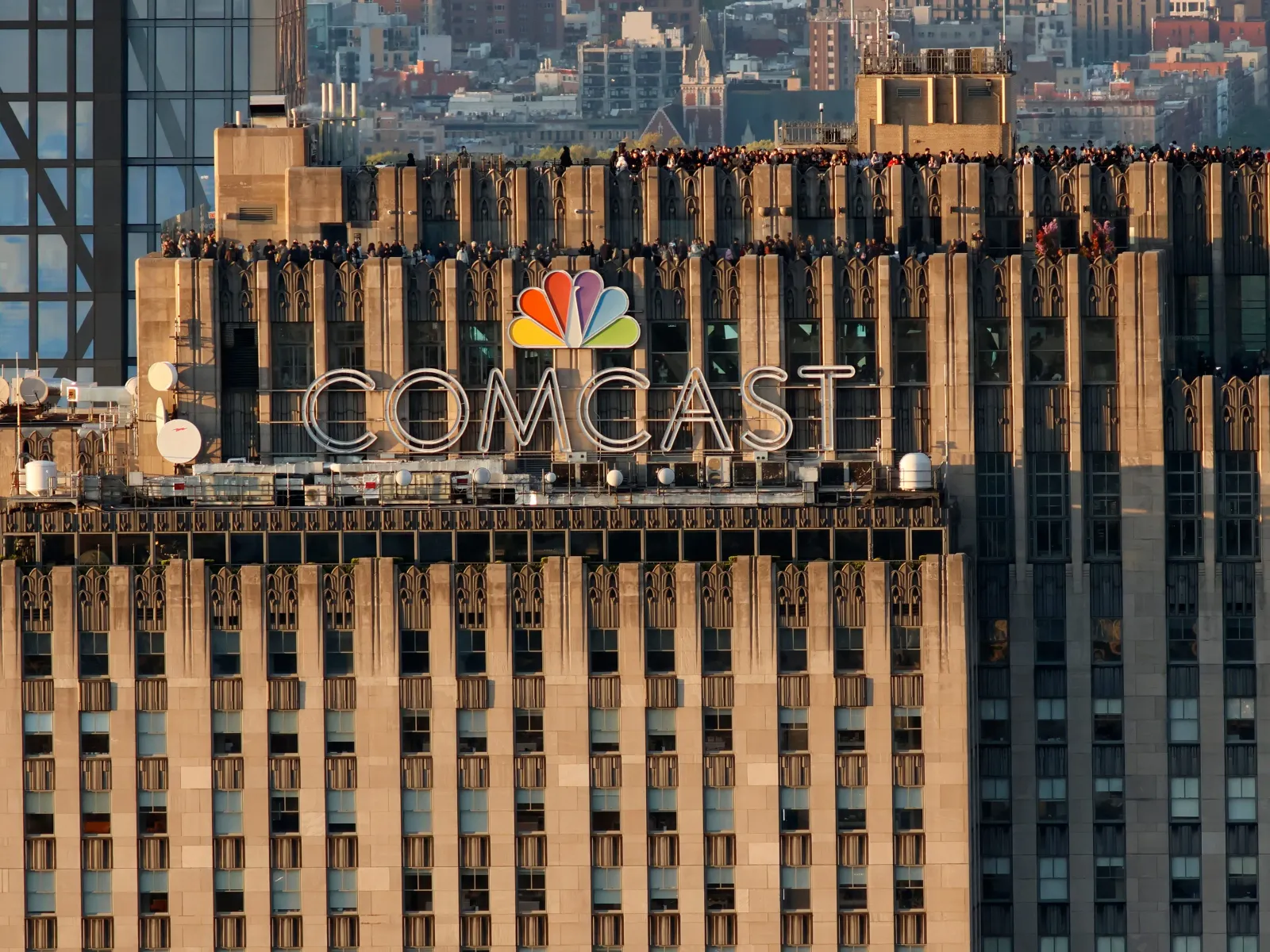
Comcast shares jump 25% as it plans to split NBCUniversal and Sky
The tax-free spin-off could reshape focus, funding, and competition across media and tech for years.

Bungie cuts most Destiny 2 staff as Sony says Marathon still matters
Herman Hulst confirms layoffs affecting most Destiny and some Marathon teams after Bungie admits Destiny fell short.

SK Hynix jumps 11% after seeking up to $29.4B in Nasdaq listing
The chip giant filed for a Nasdaq listing plan that could raise $29.4 billion, instantly reshaping investor expectations.