
Lindsey Graham pivots from Trump critic to Mar-a-Lago ally: “I’m still in the game”
His Trump-era reversal reshaped power dynamics in Washington, and made loyalty a high-stakes currency.
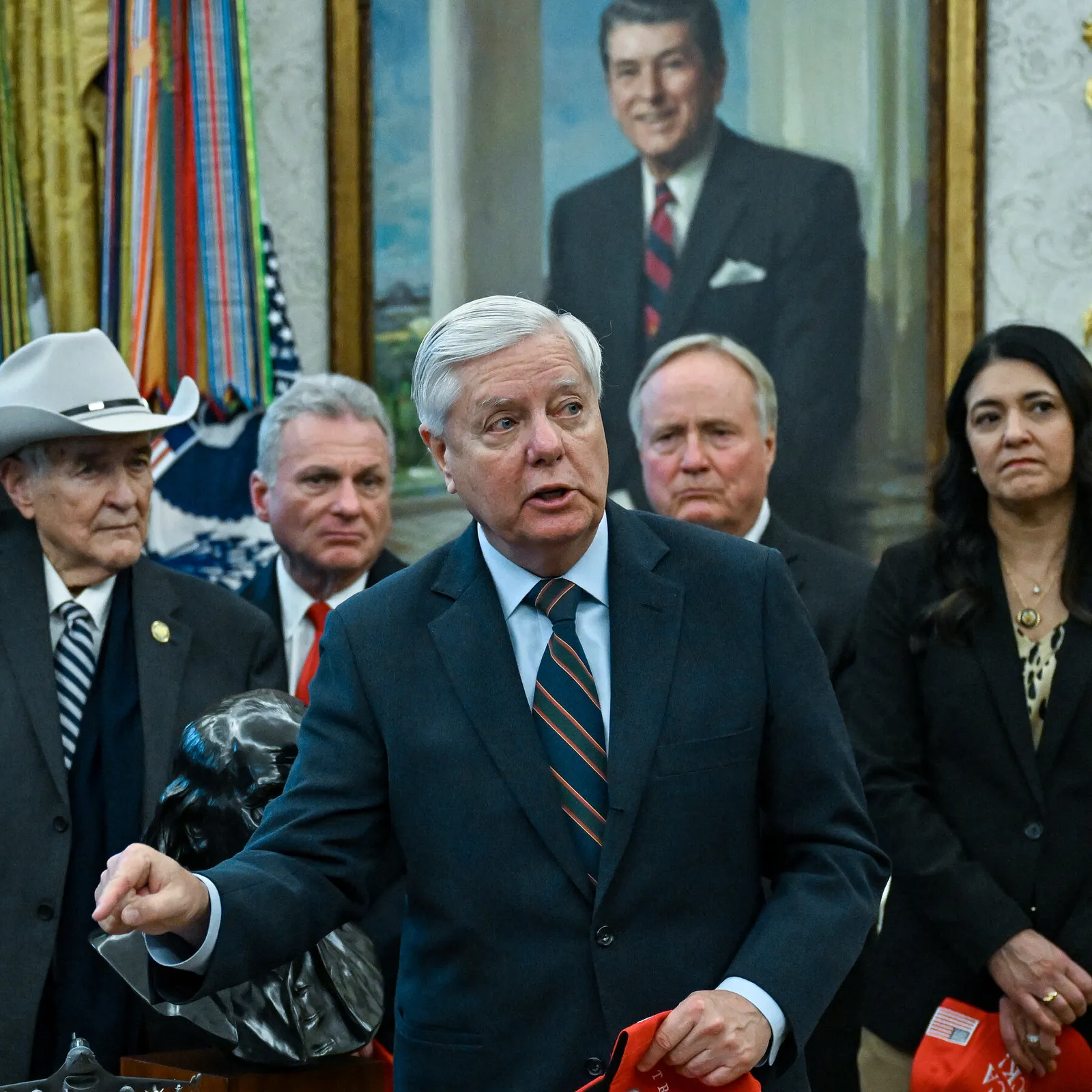
Lindsey Graham went from calling Donald Trump a “kook” and “unfit for office” to joining the new president’s Mar-a-Lago circle. For decision-makers, the lesson is how quickly political alignment can rewrite access, influence, and risk.
Lindsey Graham’s journey from public Trump critic to a closer ally of the president is not just political trivia. The arc matters because it shows how Washington rewards the people who can adapt faster than their own past statements. Graham originally called Donald Trump a “kook” who was “unfit for office,” then ended up inside the new president’s Mar-a-Lago circle. And when his turnabout became a constant subject of analysis, Graham’s line for explaining why it happened was blunt: “I’m still in the game.”
For anyone who makes decisions around policy, regulation, or politics, that phrase should land like a spreadsheet reminder: power is not only about what you believe today, it is about what you can do tomorrow. Graham’s move illustrates a recurring pattern in political ecosystems, where proximity to the top reduces uncertainty and increases the odds of being heard. In practice, joining the Mar-a-Lago orbit signals more than personal rapport. It signals access to a decision pipeline, the ability to anticipate what comes next, and the credibility to translate political intent into actionable outcomes.
The deeper story here is incentive alignment. Politics runs on signals, and signals run faster than platforms. When a senior figure changes course, it forces everyone downstream to update their internal model of who matters. Staffers, donors, lobbyists, agency officials, and allied lawmakers all read these shifts as directional evidence. Even if they never say it out loud, boards and executives watching Washington learn the same thing: relationship capital can outrank paper trails, and timing often matters as much as principle.
That matters especially in environments where regulation is the product. Regulatory frameworks, enforcement priorities, and oversight timelines can move like markets, with new leadership changing the narrative and the urgency. When the people who speak most loudly in the institution suddenly speak differently, it can reshape what gets prioritized, what gets softened, and what gets delayed. Graham’s pivot from “unfit for office” to a place in Trump’s immediate social and political circle implies a shift in how he planned to operate, even if the policy specifics of that pivot are not spelled out in the source.
It is also a lesson in coalition mechanics. Mar-a-Lago is not just a residence; it is a magnet. In Washington terms, a magnet is a place where conversations become commitments, and commitments become coordinated behavior. By joining that orbit, Graham effectively moved from being an external skeptic to a participant in the group that sets tone. Tone, in politics, is operational. It shapes what lawmakers feel safe to attempt and what bureaucracies feel pressure to deliver.
Now zoom out. Graham is a prominent case, but the pattern repeats across the political economy. There are always figures who start as critics, then recalibrate, then become bridge-builders. Sometimes the shift is ideological, sometimes it is strategic, and often it is both. The non-obvious implication is that the “reversal” itself becomes a kind of brand. By saying, essentially, that he is still in the game, Graham is telling everyone watching that he intends to remain relevant even after changing sides. Relevance is a form of currency in a town where committee assignments, staffing decisions, and agenda control can determine which companies thrive and which ones scramble.
This is why executives should treat political realignments as risk management events, not entertainment. If a power player can pivot publicly and still gain closeness to the center, then the center is not just rewarding ideological alignment. It is rewarding usefulness. That means stakeholders need to understand not only what officials say, but how they position themselves. The second-order effect is that once a figure demonstrates flexibility, it can encourage others to follow suit, speeding the reshaping of coalitions. That can accelerate outcomes for certain policy goals, while also compressing timelines for compliance planning.
So what is the strategic stake for peers in similar roles? The stake is forecasting. Graham’s path suggests that access can change abruptly and that past critiques do not necessarily lock anyone out of future influence. “I’m still in the game” is a warning to anyone operating in the policy-adjacent world: the playbook can flip, and you will either update your strategy quickly or spend the next cycle reacting. In Washington, survival is often about staying connected to the decision center, even as the map redraws itself around you.
This story's Key Insights and Take-aways are locked.
Create a free account to unlock Executive Actions for one credit.
Register to UnlockAlways free for Executives Club members. Join the Club
More in Politics

Glacial collapse, not rain, killed 180 in Nepal's Himalayan flood
The Himalaya's extreme geography hid the true cause of Nepal's catastrophic flood, a glacial collapse that turned a geological battleground into a mass-casualty zone.

Iran’s Esmail Baghaei says Oman talks start shipping via Hormuz, not US talks yet
Temporary route plans with Oman aim to restart commerce while Tehran says Washington dialogue is not on the table.
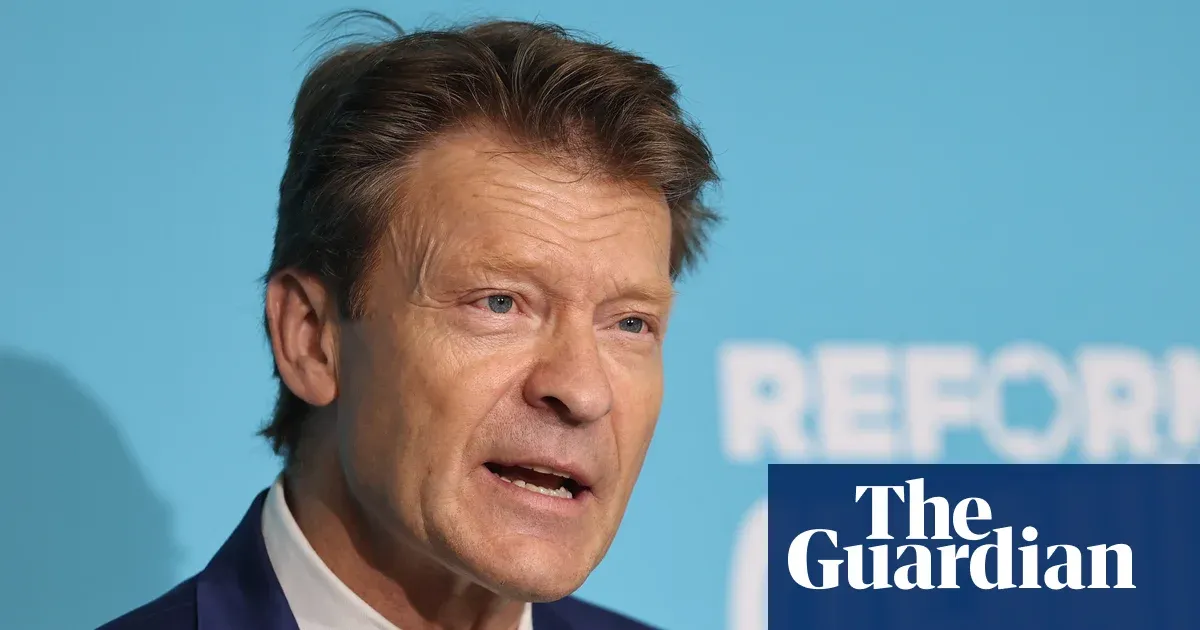
Standards watchdog opens probe into Reform UK deputy leader Richard Tice over interests
The parliamentary standards commissioner says it began an investigation on 28 July into a possible undeclared interest.