
Lino Brocka’s Macho Dancer returns in uncut 4K, no longer out of print
IFC Center starts an uncut 4K re-release this weekend, reviving a queer landmark and widening access to Brocka’s work.
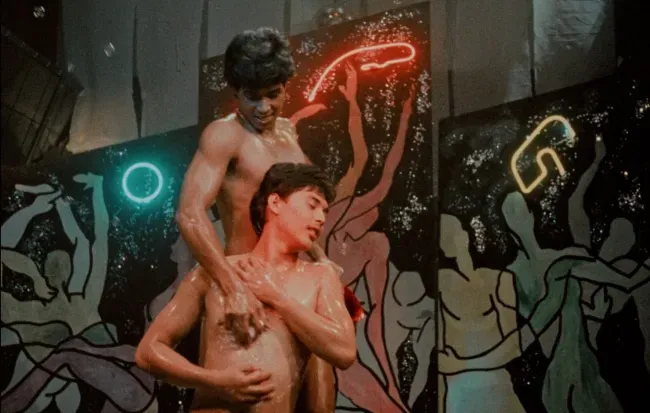
Lino Brocka’s 1988 film Macho Dancer is being reissued in an uncut 4K release that is no longer out of print. The re-release plays at IFC Center in New York starting this weekend, reconnecting audiences with a key queer work.
Lino Brocka’s 1988 queer landmark Macho Dancer is officially back in the mainstream pipeline, and the big headline detail is simple: the film is no longer out of print. Even better for people who care about preservation, the version being shown is an uncut 4K re-release, which starts this weekend at IFC Center in New York.
So what does “uncut 4K” actually mean for decision-makers, creators, and anyone tracking the cultural economy of media? It is the opposite of a token revival. “No longer out of print” signals ongoing availability rather than a short-lived, hard-to-find event. And “uncut 4K” implies a restoration or presentation choice aimed at fidelity, which matters in a film like Macho Dancer because the viewing experience is part of the point: the story, the tone, and yes, the sensuality the piece frames as revealing Brocka’s “most sordid predilections” all land through how the film is seen, not just that it exists.
Macho Dancer’s return also spotlights a recurring reality in film culture: access is often the bottleneck. Many films become “classics” in name only if they remain effectively unavailable. When a work is out of print, it does not just limit viewers. It also restricts what critics, programmers, educators, and distributors can practically do with it. Re-releases can be the difference between a film being debated in theory and being watched in practice. That is why this weekend’s IFC Center run is more than a screening schedule update. It is a visibility unlock.
There is also a subtler second-order effect here: when a queer landmark returns with high-quality presentation, it can shift the center of gravity for what audiences treat as canonical. Queer cinema has historically lived through cycles of visibility, backlash, marginal distribution, and later recovery. A restored 4K version can renew attention from both audiences who missed it the first time and industry players who might otherwise default to the “well-known” titles when programming, licensing, or building streaming catalogs. In other words, availability plus quality can reshape which titles get treated as reference points.
From an operational perspective, re-releases like this tend to follow incentive structures that are easy to overlook. Rights, restorations, and formats require coordination and resources. But the payoff is not only ticket sales or one-off press. Once something is no longer out of print, it can feed future programming and potential downstream distribution. A venue like IFC Center, in a major market like New York, acts as a launchpad. That matters because it can generate proof-of-demand signals, press momentum, and audience data that stakeholders use to justify keeping titles alive.
And then there is the filmmaking legacy angle, which is not separate from the business story. The source describes the release as “luminous” and emphasizes that it “revels in the Filipino auteur’s most sordid predilections.” Lino Brocka is positioned here not as a safe, sanitized brand, but as an auteur whose sensual, even uncomfortable qualities are part of what makes the work essential. That framing can matter for curators and rights holders, because it supports an editorial stance: presenting the film as it is, not as a softened version designed for broader approval.
For executives and board members in media, the lesson is straightforward even if the mechanics are complicated: preservation is leverage. When a title like Macho Dancer returns in a materially upgraded form, it can create new cultural relevance and new commercial pathways. That is the strategic stake for peers watching closely. The re-release is not just a win for cinephiles. It is a reminder that long-term value depends on keeping supply available, keeping quality high, and keeping the original artistic intent intact, especially for works that mark milestones in queer history.
If you are responsible for programming, rights, distribution strategy, or audience development, this is the kind of story that shows how “access” becomes an asset. This weekend’s 4K uncut screening at IFC Center is the front edge. The underlying signal is that Macho Dancer is now available again in a way that can last.
This story's Key Insights and Take-aways are locked.
Create a free account to unlock Executive Actions for one credit.
Register to UnlockAlways free for Executives Club members. Join the Club
More in Entertainment

12TB Steam 'teraleak' goes beyond Valve: GTA 3, Mafia 2 prototypes exposed
A 12-terabyte dump of Steam data reveals prototypes and builds of third-party classics like GTA 3 and Mafia 2, plus unreleased Valve content, rewriting game history.

LinkedIn's romance problem: 1 in 4 workers say dating on it is fair game
A new survey shows a quarter of U.S. employees treat the professional network as fair game for romance, even as LinkedIn bans it and removes hundreds of thousands of offending posts.

Enhypen's first No. 1 album breaks K-pop's Billboard 200 streak
The K-pop group's 98,000-unit debut tops the chart while Dolly Parton's catalog reentry shows how death reshapes streaming.