

Live shopping is going mainstream as UK buyers snap up TikTok sales in a day
Social media live streams are becoming normal shopping behavior, changing how brands, regulators, and budgets plan.

BBC News highlights how live shopping on social media is fast becoming regular consumer behavior, with TikTok sales as a signal of momentum. For decision-makers, it changes the funnel, the risk profile, and the planning cadence for go-to-market teams.
Buying on social media live streams is fast becoming regular consumer behaviour for many, and the shift is no longer confined to a niche corner of the internet. The business of live shopping is moving closer to mainstream commerce, where discovery, persuasion, and checkout can happen in the same scrolling moment. That matters because it compresses the time between “I saw it” and “I bought it,” and it changes what brands need to optimize: not just awareness, but also timing, inventory discipline, and message clarity while the stream is live.
The headline business question is simple: why does this format work so well, and what does it mean for companies trying to compete in digital retail? Live streams turn product presentation into an event. People watch, they react in real time, and sellers can respond instantly with demonstrations or offers. That immediacy can make products feel more tangible than a standard ad, especially when live shopping includes explanations, comparisons, and urgency cues that are hard to replicate in static posts. In other words, the stream becomes part entertainment, part salesperson, and part storefront.
For executives, this is less about “TikTok is trendy” and more about channel mechanics. Traditional e-commerce funnels usually separate attention from purchase. Social live shopping blends them. If you are a marketing leader, that means your KPIs may need to move from reach and impressions toward conversion during the live window. If you are finance or operations, it means you need stronger alignment between promotional intensity and supply realities. Live shopping encourages quick demand spikes; inventory planning and fulfillment reliability become core to brand trust, not back-office details.
It also changes incentives inside the business. In a world where commerce is happening in real time on social platforms, creative teams and commerce teams can no longer operate like adjacent departments. The person running the stream, the marketer planning the schedule, and the team forecasting inventory all have to coordinate. Boards and senior leaders should expect more cross-functional processes. The “channel” is not just a place to run ads. It is a workflow.
Regulation is part of the story too, even if this BBC report focuses primarily on the consumer behavior shift. When buying happens inside social live streams, the usual questions get sharper: how product information is presented, how promotions are disclosed, and how consumers understand what they are actually purchasing. Regulators in many markets are increasingly focused on transparency in digital advertising and the clarity of terms in online commerce. For live shopping, that scrutiny can land on everything from influencer-style recommendations to how offers and pricing are communicated during broadcasts.
Second-order implications show up fast for competitive strategy. If live shopping becomes a regular consumer behavior for “many,” then competitors may not be able to treat it as an experiment. They may need to treat it as a recurring marketing and sales engine. That shifts budgeting discussions and increases the value of operational excellence. A live shopping program that repeatedly under-delivers on delivery times, product availability, or accurate claims can create a reputational problem that spreads quickly on the same platform where it sold the product.
Ultimately, the stakes for peers are about what changes when the shopping experience migrates into social streams. The winners will be the brands and retailers that can run live as a disciplined commerce system, not just a content stunt. If buying on social live streams keeps becoming normal, then the companies that can translate real-time engagement into reliable purchasing, transparent messaging, and consistent fulfillment will be the ones that build durable customer trust. For decision-makers, the question is not whether live shopping is coming. It is already arriving. The question is whether your organization is ready to run it well.
This story's Key Insights and Take-aways are locked.
Create a free account to unlock Executive Actions for one credit.
Register to UnlockAlways free for Executives Club members. Join the Club
More in Business

Uber buys Delivery Hero for nearly $15B, vaulting to top food delivery outside China
The deal doubles Uber's dual-services footprint and pushes a ride-and-eats bundling play into 50 more markets.

Epic and Google drop settlement bid, forcing rival Android app stores by July 22
Google told the court it is ready to carry third-party app stores starting Wednesday, July 22.
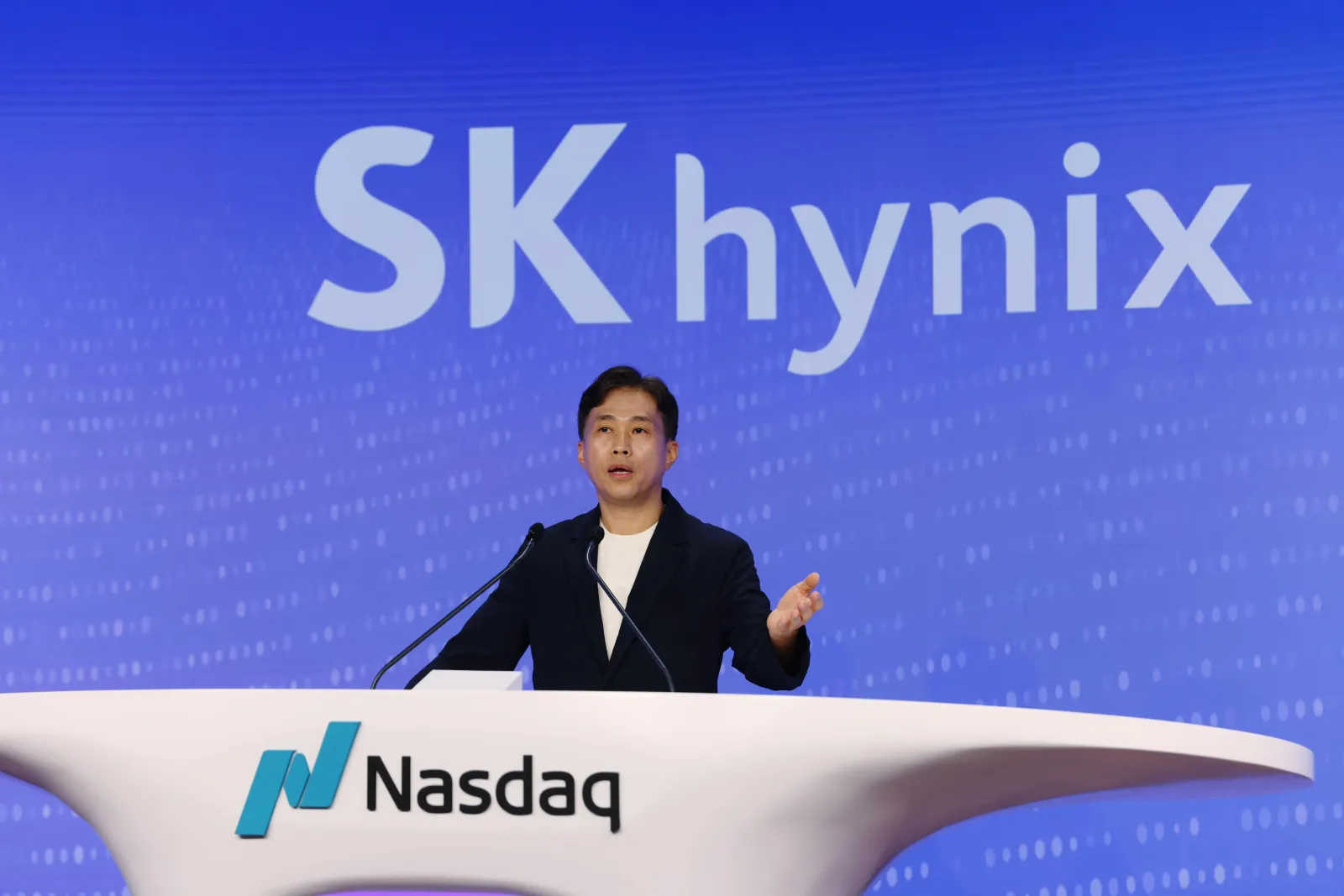
SK Hynix opens at $170, raises $26.5B, and tops foreign IPO records
In Friday's Wall Street debut, SK Hynix turns AI RAM demand into a $26.5B fundraising moment that rewrites comps.