
Lizzo says chart miss forced a “mourn that” reckoning with radio, not music
Her fifth album ‘Bitch’ missed key charts after a June 5 release, and Lizzo explains what changed.
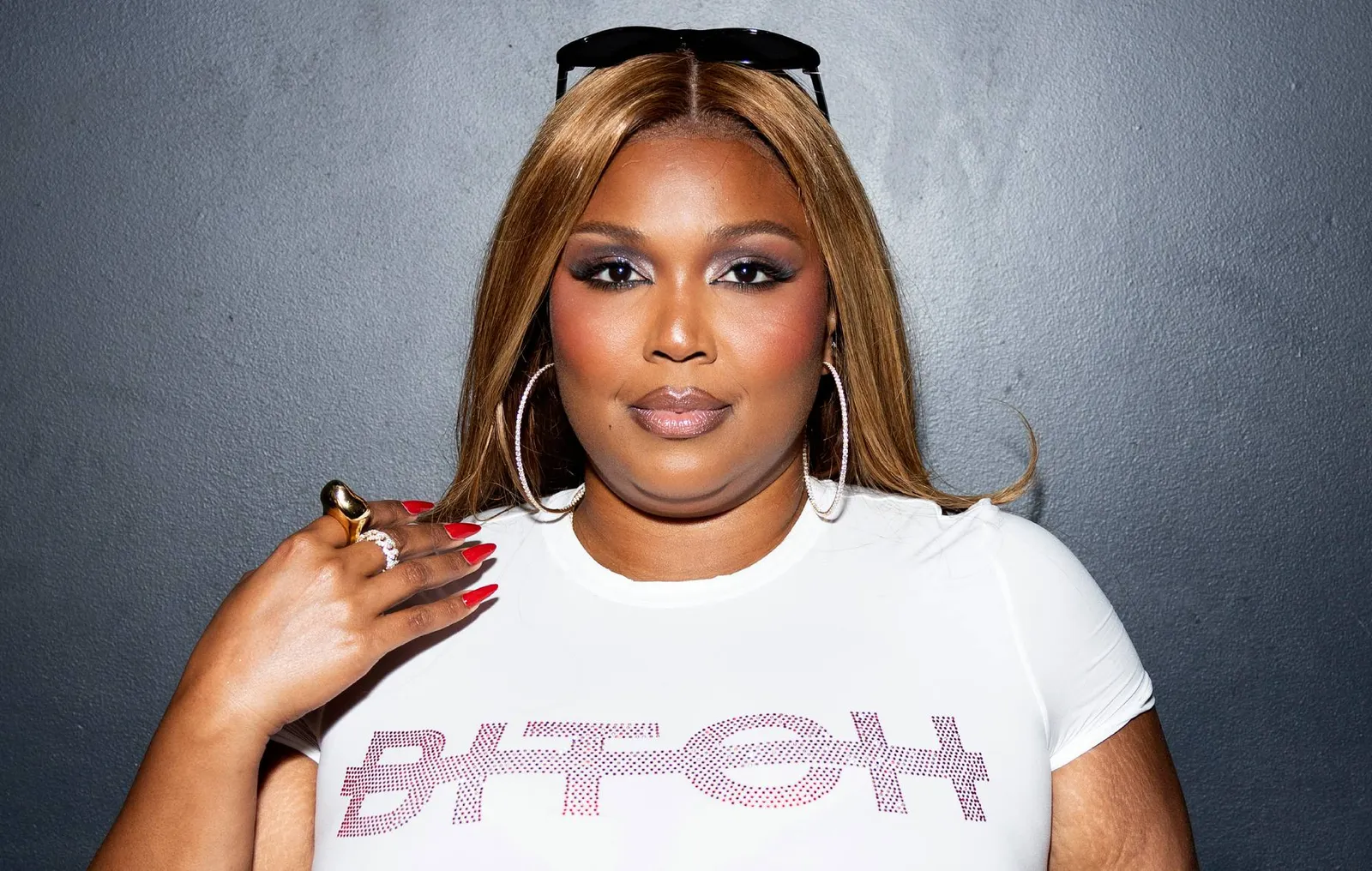
Lizzo, reacting to her fifth studio album ‘Bitch’ missing the top 100 charts in both the UK and the US two weeks after its June 5 release, told the Swiftologist podcast she had to “mourn” that her connection to the world is different. The consequence for decision-makers is a live case study in how distribution shifts and controversy-driven promotion can collide with chart performance.
Lizzo has said her fifth studio album ‘Bitch’ missing the charts forced her to confront a changed music world, not just a changed audience. She released the album June 5, and NME reports it made headlines after failing to crack the top 100 charts in both the UK and the US, two weeks after launch.
In an interview on the Swiftologist podcast, Lizzo said she was “really stressed and really sad for a few days” because the record represented “some of my best stuff.” Then she made the part that matters for operators explicit: “I had to come to terms with the fact that not only is the music industry different - we need to talk about the radio aspect - but also my relationship and my connection musically with the world is different. And I think I had to mourn that.” In other words, she is not treating the miss as a simple, one-off underperformance. She is treating it as evidence of a structural shift in how music reaches people.
To understand why Lizzo’s reaction lands as more than celebrity processing, look at the baseline she is comparing against. Her previous album ‘Special’ peaked at Number Two on the US albums chart in 2022 and reached Number Six in the UK. Her 2019 major-label debut ‘Cuz I Love You’ (her third album overall) peaked at Number Four in the US and Number 30 in the UK. And her hit ‘Truth Hurts’ previously reached Number One on the Billboard Hot 100. These are not small reference points. They frame ‘Bitch’ not just as a release, but as a potential break in a pattern.
Lizzo did not just talk charts in abstract terms. She tied chart economics to distribution channels, especially radio. She also referenced what changed for fan discovery, saying her relationship with the “world” is different, and she stressed the “radio aspect” as part of the explanation. That connects directly to how she later described the broader shift in promotion: “The industry changed so much in the last 3 yrs,” she wrote, adding that “Streaming replaced radio & I was a radio darling.” In her telling, the old discovery pipeline mattered, and the replacement pipeline is not behaving the same way.
For executives and boards, that matters because chart performance is rarely only about songs. It is about incentives, timing, and the machinery of attention. Lizzo’s story includes multiple competing forces at once: channel shifts, social media dynamics, and the reputational pressure that can influence marketing access. She previously hit out at “racist” and “fatphobic” algorithms for “destroying the music industry” and hampering album promotion, arguing that when marketing relies on social media and algorithms show content out of order, it becomes harder to run successful campaigns where “everyone knows your album is coming.” She also criticized how things used to work “chronologically,” implying that the modern promotional environment can scramble release expectations.
There is also a parallel thread of controversy, which is relevant because promotional ecosystems often become brittle under sustained headlines. NME notes a lawsuit filed in 2023 by Arianna Davis, Crystal Williams, and Noelle Rodriguez, alleging sexual harassment and a hostile work environment during their time working with Lizzo between 2021 and 2023. Lizzo has denied all allegations. The coverage also includes Lizzo’s recent vow to continue fighting a separate lawsuit brought by her three former backup dancers, with Lizzo claiming “the truth is less salacious than the headlines.” She described the dancers’ suit as a “fabricated sob story” in October 2023 and filed a motion asking the court to dismiss it, alleging that the dancers had shown a “pattern of gross misconduct.”
On top of legal and channel dynamics, Lizzo’s promotional tactics appear to have become part of the conversation. NME reports she acknowledged a new social media promo strategy around ‘Bitch,’ saying she’d been “interacting with a bunch of stan accounts lately,” and that she retweeted a post about succeeding in getting people to talk about her again. But she also told fans to “grow up” after accusations that she threw shade at Taylor Swift. Lizzo insisted she’d “never talked shit about any artist” and denied bad-mouthing Olivia Rodrigo. The article also says it has been suggested her failure to crack charts may stem from this series of controversies, and that she appears to have addressed Nicki Minaj’s criticism on an alternate edition of ‘Bitch’.
So where does the business lesson land? Lizzo’s “mourn that” comment is a reminder that even a proven act with prior chart peaks can face a different distribution physics once the dominant pathways shift, especially when discovery is routed through streaming and social media rather than the radio ecosystem she said she once benefited from. Her experience also shows how hard it is for marketing and reputational risk to stay compartmentalized. When the news cycle is crowded, a release can be simultaneously competing for attention, battling narrative drag, and trying to hit chart thresholds that are influenced by channel access.
If you are an executive, investor, or operator reading this, the stakes are not just about one pop star. It is about how attention markets and distribution pipelines behave under stress. Lizzo’s case suggests boards should pressure-test assumptions about how demand translates into charts when the channel mix changes, and when controversies and algorithmic feed behavior shape what people actually encounter. The strategic question is simple: are you optimizing for what worked last cycle, or for how the system decides what gets heard now?
This story's Key Insights and Take-aways are locked.
Create a free account to unlock Executive Actions for one credit.
Register to UnlockAlways free for Executives Club members. Join the Club
More in Entertainment

Russell Brand's accuser 'bewildered and confused' as he denies 7 sex charges
The criminal case against the comedian is a live test of how media companies manage talent risk when serious allegations go public.

'It's a Magic Trick': Ballet Experts Say Rosalía's SNL Pose Is Impossible
Three ballet experts tell Rolling Stone Rosalía's gravity-defying SNL stillness shouldn't be possible - and why the debate is now part of the show.

Activision CMO: GTA 6 Will Boost Call of Duty, Not Bury It
Activision's top marketer says Rockstar's blockbuster will drive players back to consoles and into Modern Warfare 4, even as the company admits its recent strategy failed.