

Loe Shimmy’s Pretty Girls Run the World drops July 24, staking dominance across genres
The Florida up-and-comer leans on Brent Faiyaz, Drake, and global collabs to turn a female fanbase into a full-spectrum strategy.

Loe Shimmy, the Florida hip-hop up-and-comer known for Hot 100 hits like “For Me” and “3 AM,” releases Pretty Girls Run the World today, July 24. For decision-makers watching artist development, the launch is a blueprint for how to expand audience without abandoning the core sound.
Loe Shimmy’s new project Pretty Girls Run the World is out today, July 24, and it’s basically a declaration of intent: he’s aiming to dominate across genres, not just headline his lane. Shimmy frames the project as a showcase for the female fanbase he says he has “always” had, and he makes the ambition concrete by leaning into singing, higher-profile collaborations, and international sounds. The question for anyone paying attention to how modern music careers scale is simple: does “eclectic” become a strategy, or just a playlist label?
In Shimmy’s telling, it’s a strategy. He says he wasn’t “boxed in,” and he dedicated this release to his female audience to show “I can do anything.” That approach is already paying off in momentum. He’s known for hits including the Hot 100 entries “For Me” and the Don Toliver-assisted “3 AM,” and he extended that traction by enlisting R&B star Brent Faiyaz for the remix of “For Me.” On top of that, Shimmy toured with Sexyy Red in 2024 and Lil Baby in 2025, and he even tagged alongside Drake on the Habiti standout “I'm Spent.” The relevant part for executives and operators: those are not random feature placements. They’re a network effect around a specific audience target, and then an expansion mechanism.
So what does Pretty Girls Run the World actually do? Shimmy describes it as “groovy,” “sexy,” and “melodic,” and he uses that palette to tell a consistent story across tracks. He’s also front-loading the album rollout with singles including “Body Dangerous,” “Bag Rite” and “No Mileage.” That matters because modern release cycles are about attention pacing, not just output. Put differently: the singles are functioning like market tests, and the album is the thesis statement you’re supposed to believe after hearing the runway.
If the project is about genre dominance, Shimmy signals that he isn’t treating genre like a coat you put on and take off. He says he eventually wants to make music in every genre, and right now he’s “f-ked up by [Afrobeats], for sure.” He also says he and Afrobeats standout Ayra Starr “finna drop a song,” and he points to a Latin collaboration with Eladio Carrion, calling it “Hard” and saying “I’m gonna keep dancing on them.” This is the second-order move: after you win an audience, you map the next adjacency. Afrobeats and Latin sounds are not just aesthetics, they are distribution pathways, fanbase bridges, and credibility signals in scenes where gatekeeping is real.
The part that makes this career story instructive for boards, labels, and anyone funding creative operations is how Shimmy links collaborations to craft, especially his work with Drake and Brent Faiyaz. He says the “boys taught me different beats, different loops and to just try s-t,” and he specifically connects Drake’s input on “I'm Spent” to unlocking “a whole new [thing],” including “New flow unlocked.” It’s a classic artist development pattern, but with modern execution: higher-profile collaborators raise the technical ceiling, which then supports bolder creative choices like “a lot more singing” on the album. Shimmy describes the melodic side as “that feeling,” with “that soul in it,” and he claims it “makes the ladies move,” adding “It’s just sexy as a motherf-ker.” Whether you care about the lyrics or not, the functional lesson is clear: melodic expansion is a packaging and performance tool, not a detour.
Shimmy’s touring history also acts like a confidence engine. He went from touring with Sexyy Red in 2024 to Lil Baby last year, and he says “Everything’s changed,” adding that he’s “turnt-up right now.” He argues that the best part is the stage showing the work you put in, and he emphasizes the audience payoff: “Ain't no better feeling than that. They don't know the process of how you make it, but they seen it from me.” In business terms, that’s retention through proof. When fans see the “process” in the form of polished performance, they’re more likely to stick through experimentation on future records.
He also brings another builder to the table: Tay Keith. Before Tay Keith’s passing, Shimmy teamed with him on “5 Star Freak,” and Shimmy describes the studio chemistry in vivid, operational terms. He was in Nashville, Keith sent beats, Shimmy says he “got on that b-ch” immediately, and he called him at “like 2:00 in the morning” after playing the track. Keith “pulled up” right then, they were “just vibing,” and Shimmy says Keith left him with “a whole pack. 50 beats.” That detail matters because it explains why Shimmy talks like he’s sitting on “some heat” and still working from that cache. In creative industries, access to production output can be as valuable as brand recognition, and Shimmy’s account suggests Tay Keith’s material continues to power his next moves.
Finally, Shimmy adds a personal through-line that explains why he keeps pushing new formats. He says he lost his brother a few years ago and honors him through the mindset: “just keep going. No stopping. Just keep my head up and keep grinding. No pity from a king.” It’s the kind of line artists use to anchor consistency during a period when fans might otherwise reward only instant hits.
For decision-makers, the strategic stakes are this: Pretty Girls Run the World is not framed as a one-off experiment. It’s positioned as ongoing expansion, with genre breadth and audience specificity reinforcing each other. If Shimmy can convert female fanbase targeting into mainstream credibility across Drake-level collaborations and global genre adjacency like Afrobeats and Latin music, then he becomes a template for other artists and teams trying to scale without losing identity. And if the album lands, it will validate a playbook that’s getting more common but still hard to execute: keep the core, broaden the sonic network, and treat every collaboration as both creative lift and market engineering.
This story's Key Insights and Take-aways are locked.
Create a free account to unlock Executive Actions for one credit.
Register to UnlockAlways free for Executives Club members. Join the Club
More in Entertainment

'It's a Magic Trick': Ballet Experts Say Rosalía's SNL Pose Is Impossible
Three ballet experts tell Rolling Stone Rosalía's gravity-defying SNL stillness shouldn't be possible - and why the debate is now part of the show.

Activision CMO: GTA 6 Will Boost Call of Duty, Not Bury It
Activision's top marketer says Rockstar's blockbuster will drive players back to consoles and into Modern Warfare 4, even as the company admits its recent strategy failed.
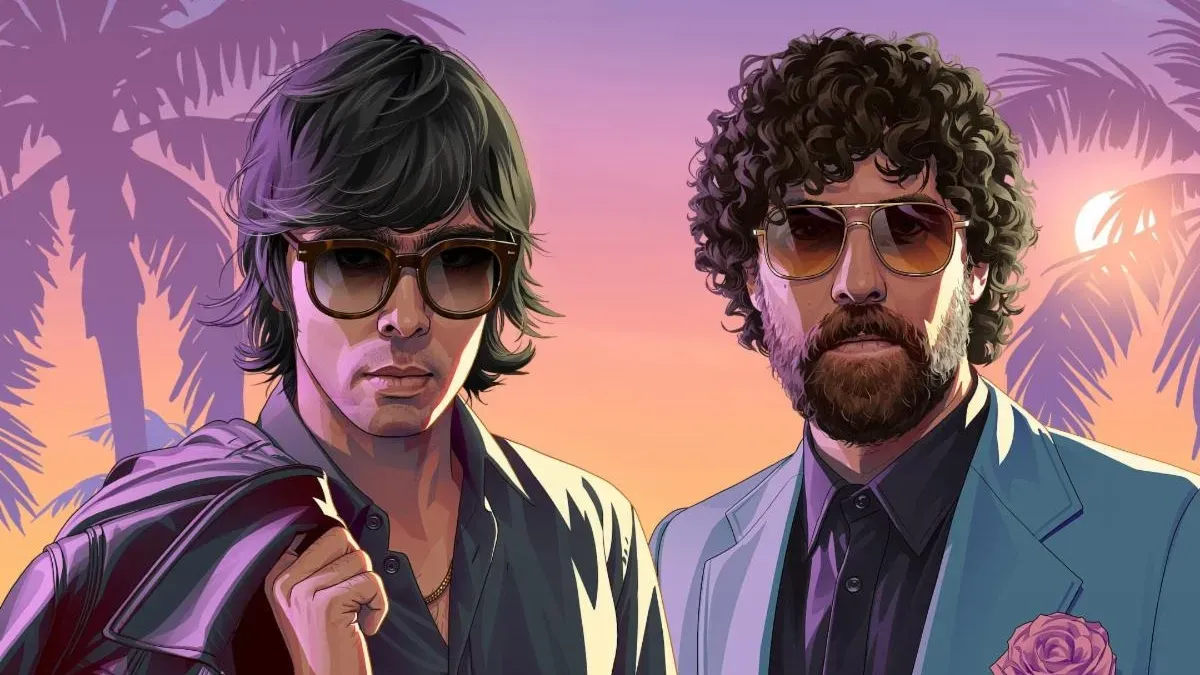
Justice to Score GTA 6, Share New Song with Tame Impala, SZA, King Gizzard
Rockstar taps the French duo for the GTA VI score, and the first taste is a genre-melting collab with Tame Impala, SZA, and King Gizzard & The Lizard Wizard.