

Logitech faces class action over $61M tariff refund it kept
A proposed class action alleges Logitech double-dipped on tariffs, and other tech giants are in the crosshairs.
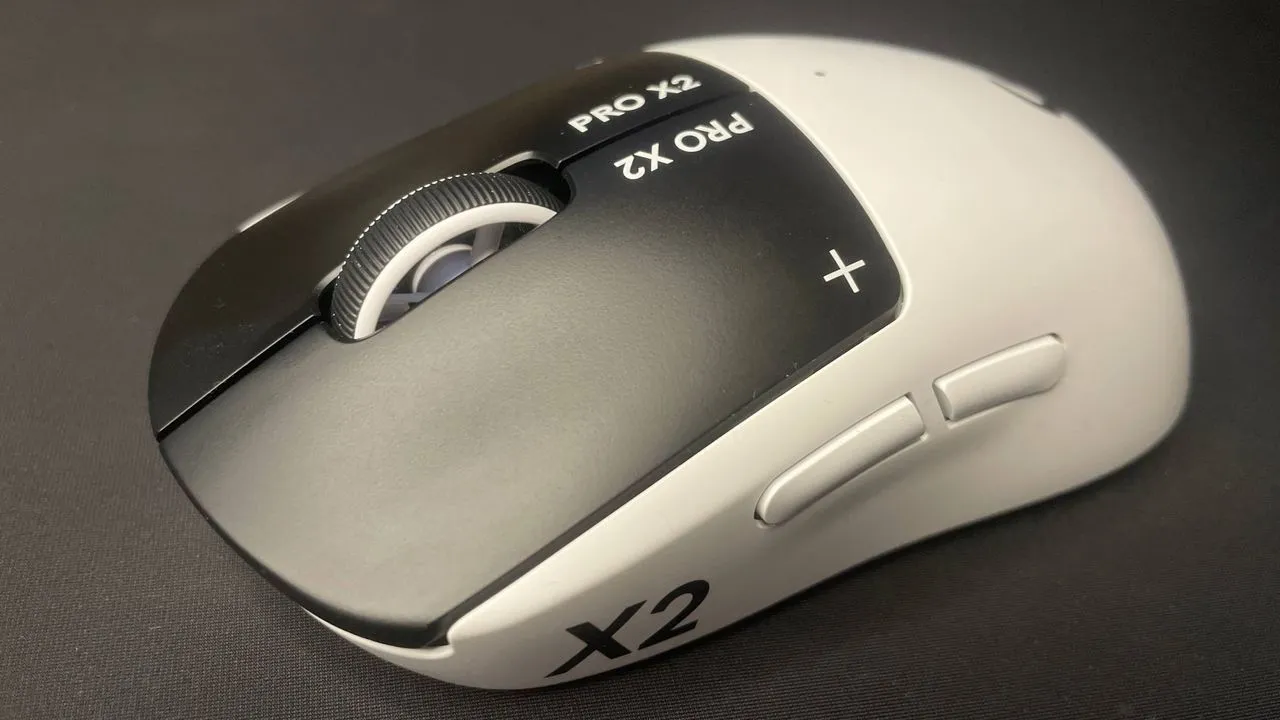
Logitech's CFO Matteo Anversa is facing a proposed class action alleging the company kept $61 million in tariff refunds instead of passing them to customers. The suit, filed in California, could set a precedent for other tech firms like Nintendo, Sony, and Microsoft that also received refunds.
Logitech is in the crosshairs of a proposed class action lawsuit over a $61 million tariff refund it received from the US government, and customers say that money belongs to them. The complaint, filed last week in the US District Court for the Northern District of California, San Jose Division, is led by construction company SJK Development and a California resident, both of whom purchased Logitech mice at prices inflated by tariffs. They allege that Logitech raised prices across its product catalog to offset the Trump administration's IEEPA tariffs, then failed to return the refund after the Supreme Court declared those tariffs unlawful.
The filing accuses Logitech of being "enriched twice over at its customers' expense" - once by collecting higher prices, and again by keeping the government's refund with interest. The company received $61 million as part of the refund process, according to the complaint. The plaintiffs are seeking a judgment that would force Logitech to distribute a share of those proceeds to affected customers. The complaint argues that Logitech "refused to be honest with their customers by raising prices across their product catalog to allegedly account for costs due to tariffs and then failed to return tariff proceeds when the US Supreme Court declared those tariffs unlawful."
Logitech never publicly announced price hikes, but the complaint points to earnings calls where executives discussed the strategy. CFO Matteo Anversa attributed the company's expanded gross margins - up approximately 130 basis points year-over-year in the fourth quarter - in part to pricing actions executed in April 2025. He stated that those pricing actions, together with favorable currency movements, more than offset tariffs and promotions. This admission, captured in the filing, is central to the plaintiffs' claim that the company deliberately used tariffs as cover for margin expansion.
The legal backdrop is the Supreme Court's February ruling that President Trump lacked authority to impose IEEPA tariffs. That decision invalidated the tariffs retroactively, triggering refunds for companies that paid them. Logitech's $61 million refund is part of that process, but the company has not announced any plan to pass the money back to customers. Instead, the lawsuit alleges, Logitech kept the windfall while continuing to benefit from the higher prices it had already charged.
This isn't an isolated case. Nintendo, Sony, and Microsoft have all faced similar legal actions related to tariff refunds. Earlier this month, PC cooling company Arctic announced it would roll back prices for US customers after receiving its own refund. The pattern suggests that companies that raised prices during the tariff period and then kept refunds are now vulnerable to legal claims. For Logitech, the risk is not just financial - it's reputational. The complaint paints the company as a multinational that exploited a regulatory gray zone at the expense of ordinary consumers.
For executives, this is a cautionary tale about pricing decisions during regulatory volatility. The complaint alleges that Logitech's pricing actions were designed to offset tariffs, but the company didn't adjust when the tariffs were struck down. The reputational and legal risk of keeping refunds may outweigh the short-term margin gains. As the case unfolds, boards should review their own tariff-related pricing history and consider proactive refunds to avoid similar litigation. The outcome could reshape how companies handle tariff refunds, especially if courts side with consumers and force retroactive price adjustments.
This story's Key Insights and Take-aways are locked.
Create a free account to unlock Executive Actions for one credit.
Register to UnlockAlways free for Executives Club members. Join the Club
More in Business
Tim Cook steps down as Apple CEO, stays on as chair with $45M equity
The 'Trump whisperer' keeps his White House and Beijing access as Apple navigates tariffs and a $4.6 trillion market cap.
Snowflake shares surge as AI data demand crushes estimates, lifting full-year forecast
Stocks jumped on stronger-than-expected guidance, signaling enterprise AI workloads are accelerating faster than Wall Street priced in.
Tim Cook's 15-year Apple CEO run ends: 3 lessons for any successor
After 15 years, Tim Cook hands Apple to John Ternus - here's how he turned a $350B company into a $4.6T juggernaut.