

Lord and Miller are producing 24 Jump Street, with Hill, Tatum, and Ice Cube in talks
The Spider-Verse masterminds are revving up a 22 Jump Street follow-up, and major stars may return.
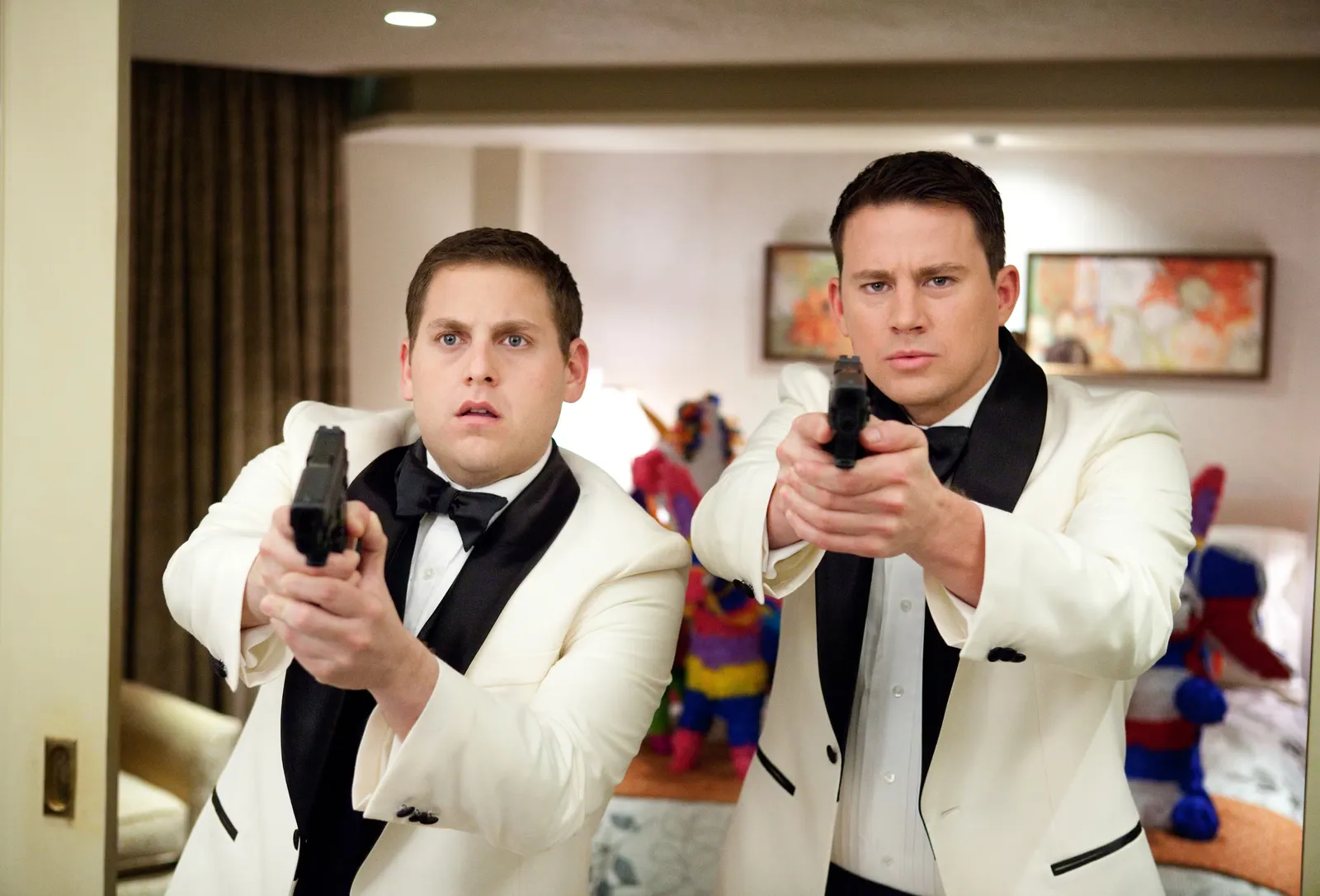
Phil Lord and Christopher Miller are producing 24 Jump Street, the sequel to 22 Jump Street, with stars Channing Tatum, Jonah Hill, and Ice Cube reportedly in talks to return. For decision-makers watching franchise risk and talent availability, the move is a reminder that the “post-credits promise” can cash out fast.
It’s been 12 years since 22 Jump Street hit theaters, and the question that lingered like an end-credit punchline was simple: when do they finally make good on that 21 Jump Street follow-up tease? Now, Phil Lord and Christopher Miller appear ready to answer. Alongside the producing duo, stars Channing Tatum, Jonah Hill, and Ice Cube are reportedly in talks to return for 24 Jump Street, the sequel to 22 Jump Street, which is exactly the kind of franchise pivot that can turn a long-dormant IP into a fresh box office bet.
That timeline matters. A 12-year gap is long enough for tastes to change, audiences to move on, and studio teams to rotate. So if this moves forward with the same core cast and creative leadership, it signals something more than nostalgia. It suggests the post-credits sequence from 22 Jump Street was not just a joke that aged into meme status, but a storyline the filmmakers kept in their back pocket, waiting for the right conditions to pull it back out.
To understand why executives should care, zoom out to how modern franchises work. Jump Street is rooted in a late-1980s TV drama, and 21 Jump Street, as reimagined by Lord and Miller, leaned hard into being an R-rated action-comedy. The strategy there is not subtle: take a known concept, then remix it for a different audience expectation, and do it with a creative team that understands pacing and comedy timing. When that formula works, the follow-up becomes less about “starting over” and more about “reassembling the band.” That is precisely the bet implied by returning to 24 Jump Street with the same producers and at least three of the original stars in discussions.
Now think about talent dynamics. Channing Tatum, Jonah Hill, and Ice Cube are not interchangeable pieces. Having them back, if negotiations land cleanly, does two things at once. First, it reduces uncertainty in marketing, because star recognition is a major lever for theatrical campaigns. Second, it can reduce creative risk, since comedic chemistry often depends on shared rhythm and performance habits that are hard to replicate with replacements. In franchise land, “keeping the cast in conversations” is effectively an early-stage risk management tactic.
There is also a bigger incentive structure behind this kind of announcement, even if the source story stays focused on the creative. Studios and producers are operating in an environment where theatrical releases increasingly need built-in traction. A known IP with a direct sequel path helps, especially when it comes with a recognizable premise and an established tone. Lord and Miller have already demonstrated they can translate across different kinds of animated and blockbuster worlds, including their work on Spider-Verse. Returning to live-action, then, can be read as strategic: diversify the slate, but still lean on creative leadership that can deliver the same kind of audience-ready product.
Regulatory framing does not usually show up in entertainment headlines, but it still matters for executives because production schedules and distribution can run into compliance realities. While the source does not mention any specific regulators or filings, the practical backdrop is that R-rated projects require careful planning across marketing, release windows, and platform policies once films cross from theatrical to streaming. When a team commits to a potential sequel like 24 Jump Street, they are implicitly aligning creative goals with that compliance calendar. That alignment can be the difference between a smooth rollout and an expensive logistical scramble.
The strategic stake for decision-makers in the content business is straightforward. If 24 Jump Street does move forward with Lord and Miller and with Channing Tatum, Jonah Hill, and Ice Cube in talks to return, it becomes a case study in how patience can pay off in Hollywood. It also sets a signal to other franchise managers: post-credits hooks are not always throwaway endings, and long gaps do not automatically kill sequel momentum if the original creative engine stays available.
For peers considering similar bets, the lesson is less about Jump Street specifically and more about how to think about timing, talent, and brand continuity. Here, the creative duo is returning, the franchise relationship to its earlier 21 Jump Street DNA is clear, and the cast return question is being worked now. If that puzzle pieces together, 24 Jump Street could be less of a resurrection and more of a continuation that simply took a long, funny detour.
This story's Key Insights and Take-aways are locked.
Create a free account to unlock Executive Actions for one credit.
Register to UnlockAlways free for Executives Club members. Join the Club
More in Entertainment

Russell Brand's accuser 'bewildered and confused' as he denies 7 sex charges
The criminal case against the comedian is a live test of how media companies manage talent risk when serious allegations go public.

'It's a Magic Trick': Ballet Experts Say Rosalía's SNL Pose Is Impossible
Three ballet experts tell Rolling Stone Rosalía's gravity-defying SNL stillness shouldn't be possible - and why the debate is now part of the show.

Activision CMO: GTA 6 Will Boost Call of Duty, Not Bury It
Activision's top marketer says Rockstar's blockbuster will drive players back to consoles and into Modern Warfare 4, even as the company admits its recent strategy failed.