

Lotte Cinema-Megabox merger collapses as JoongAng Group’s financial crisis deepens
After about 14 months of talks, the South Korea theatrical giant plan dies, shifting leverage across the exhibition market.
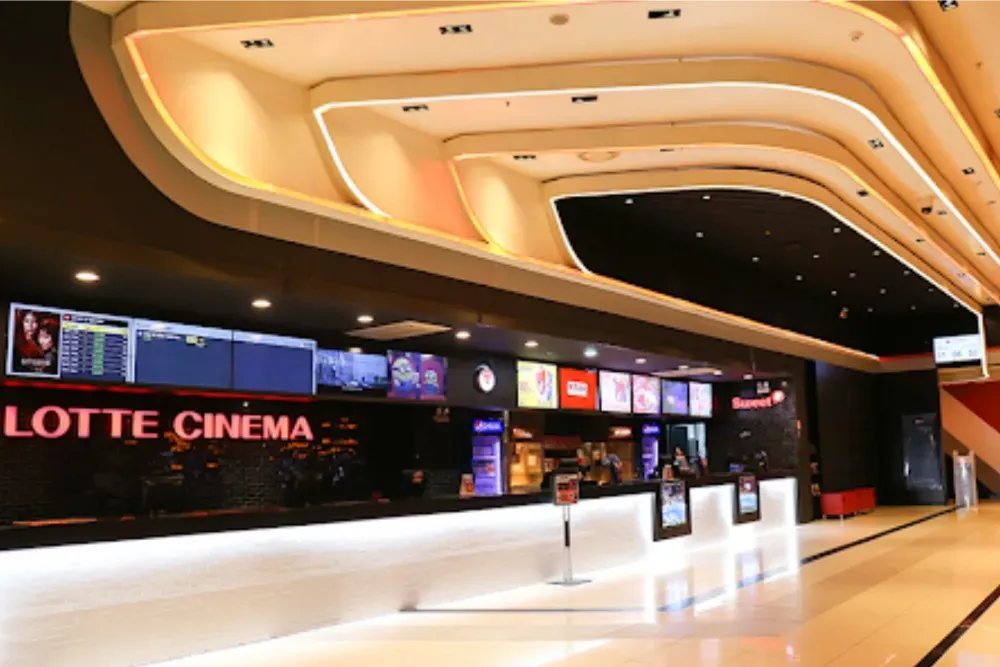
Lotte Shopping and Contentree JoongAng disclosed that the memorandum of understanding for the Lotte Cinema-Megabox merger has been undone, ending roughly 14 months of negotiations. The collapse is tied to a financial crisis now deepening at Megabox parent JoongAng Group, with board-level and capital implications for exhibitors.
A deal aimed at creating South Korea’s largest theatrical exhibitor is officially dead. Lotte Cinema and Megabox would have merged after about 14 months of negotiations, but the transaction has collapsed as Megabox’s parent company, JoongAng Group, faces a deepening financial crisis.
Wednesday’s disclosure came from Lotte Shopping and Contentree JoongAng, confirming that the memorandum of understanding governing the proposed merger has been unwound. In other words, the merger did not just “stall” or “wait for better timing.” It ended. And for anyone tracking capital discipline in entertainment assets, this is the kind of corporate story that matters because the theater business is not forgiving when the parent balance sheet gets ugly.
To understand why a financial crisis at a parent can kill an exhibition merger, you have to look at what deals like this actually require. A merger between cinema operators is not only a storyline about screens and customers. It is also an operational bet that the combined entity can fund ongoing costs, manage debt, and keep liquidity steady while negotiations, approvals, and integration planning play out. When the parent company is under stress, that funding reality changes fast. Boards and deal teams typically end up reprioritizing cash conservation over transaction completion, especially when timing risks grow.
That is the core through-line in this collapse. The proposed merger was designed to build scale in South Korea’s theatrical exhibition market. The plan, as reported by Variety, would have created the country’s largest theatrical exhibitor. The operational logic is straightforward: bigger operators can spread overhead, negotiate with suppliers more effectively, and potentially improve film slate economics through scale. But those advantages only help if the transaction can survive the hard parts: legal process, commercial alignment, and the most basic requirement of all, the financial capacity to execute.
Here, the financial trigger is JoongAng Group. Megabox is the subsidiary tied to the theater footprint, but JoongAng Group is the parent exposed to the crisis that ultimately drove the collapse. The source states that the deal was “ultimately undone” by that crisis engulfing JoongAng Group, and that Lotte Shopping and Contentree JoongAng disclosed the development on Wednesday. This kind of domino effect is common in parent-subsidiary deal structures: even if the operating company wants the merger, the parent can pull back support when stress intensifies.
The negotiations themselves lasted roughly 14 months, which matters for how you interpret the breakdown. Long talks are usually a sign that both sides believed the deal could clear the practical hurdles, not just the headline ones. If the memorandum of understanding was reached and governed the deal for that long, it implies a sustained effort to align interests. So when it ends now, it signals that the financial position became a hard constraint rather than a solvable negotiation item. In deal terms, you can think of it as the difference between “we need more time” and “we cannot finance this anymore.” The first gets extensions. The second ends the memo.
There is also a second-order implication for other exhibitors, including those that watched the prospect of a scaled leader and priced it into their competitive planning. A merger that would have consolidated the market into a dominant operator can reshape bargaining leverage with movie distributors, landlords, and technology partners. When that merger collapses, the competitive landscape does not necessarily “freeze,” but it does revert toward a more fragmented equilibrium. Executives at rival chains would have to recalibrate assumptions about future dominance, pricing power, and the speed at which consolidation might resume.
For boards, the lesson is less about theaters and more about execution under financial stress. When a parent company’s crisis deepens, deal governance becomes a balancing act between growth ambitions and balance sheet survival. Even if a merger looks strategically clean on paper, the memorandum is only as strong as the capital underneath it. In that sense, this collapse is a reminder that in 2026, the center of gravity in M&A is still liquidity. Strategy follows cash, not the other way around.
Finally, consider the reputational and planning impact for the stakeholders inside Lotte Shopping and Contentree JoongAng. A memorandum unwinding after 14 months means management teams have already spent time and resources evaluating integration pathways, synergy targets, and regulatory timing. When the decision flips due to parent-level financial crisis, it can force leadership to pivot quickly toward standalone resilience, cost control, and alternative growth ideas. If you run an entertainment asset, this is what you are trying to avoid: building a future around a deal that cannot be financed when the parent balance sheet changes.
This story's Key Insights and Take-aways are locked.
Create a free account to unlock Executive Actions for one credit.
Register to UnlockAlways free for Executives Club members. Join the Club
More in Business
Comcast shares jump 25% as it plans to split NBCUniversal and Sky
The tax-free spin-off could reshape focus, funding, and competition across media and tech for years.

Bungie cuts most Destiny 2 staff as Sony says Marathon still matters
Herman Hulst confirms layoffs affecting most Destiny and some Marathon teams after Bungie admits Destiny fell short.

SK Hynix jumps 11% after seeking up to $29.4B in Nasdaq listing
The chip giant filed for a Nasdaq listing plan that could raise $29.4 billion, instantly reshaping investor expectations.