
Love Island USA’s app vote count tops many political elections, says EP
The executive producer claims the show is generating more in-app votes than major election races, and it changes how advertisers should measure attention.

WIRED reports that Love Island USA executive producer says the show has more people voting on its app than in many political elections across the country. For decision-makers, this reframes how to value engagement, ad inventory, and the incentives behind interactive media.
“We have more people voting on the ‘Love Island USA’ app than we do in many political elections taking place across the country,” the show’s executive producer says. That is the entire headline-sized idea, and it is the point: Love Island has turned audience behavior into something that looks, in scale and intensity, like a civic process.
To be clear, the source does not provide an exact vote total or name which election races are being compared. But the claim sets a high-stakes baseline for the real question executives care about: when media companies tell you engagement is “strong,” do they mean clicks and scrolls, or do they mean people actively participating, on demand, at volume? According to the executive producer, for Love Island USA, the app is driving voting behavior from more than 10 million people already on its app, which implies that the show is not just being watched. It is being used.
That distinction matters because voting is an action. Watching is passive. Posting is social. Voting is decision-making, repeated, and usually time-bound. In interactive entertainment, those mechanics create a feedback loop: the app prompts participation, participation increases perceived relevance, and relevance increases retention. In practice, that is how a show becomes a habit, and habits are what advertisers pay for when they stop chasing pure reach.
If you are an executive at a media company, a platform, an agency, or a brand, the temptation is to translate this directly into ad metrics. But the more interesting read is the incentive structure underneath the number. In political elections, voting is shaped by hard constraints: eligibility rules, deadlines, and a single outcome. In reality TV, voting is shaped by design choices: how often the app asks, how the show tells the audience to weigh in, and how quickly the outcome feeds back into storylines. The executive producer’s comparison to elections highlights something uncomfortable for the industry: entertainment engagement can rival the intensity of civic participation, even if the stakes are different.
Regulators and policy folks typically treat voting systems as regulated behavior for obvious reasons. Political voting is tied to legal identity, auditability, and transparency expectations. Entertainment voting, by contrast, usually lives in the world of consumer products: privacy policies, terms of service, and ad disclosures. Even if the mechanics are simpler, the second-order implication for boards is that the public will increasingly interpret app voting through a “this looks like politics” lens. That can affect reputational risk, platform scrutiny, and scrutiny from regulators who care about data practices, dark patterns, or the fairness of user interactions.
There is also a governance angle. When an app drives mass participation, it becomes operationally sensitive. Boards ask different questions than they would for a traditional broadcast. What is the voting funnel? What is the rate of engagement by geography? How is the platform preventing manipulation or fraud? The source does not mention any of that, but it is the natural follow-on when audience participation hits a scale executives associate with elections.
Meanwhile, brands face a measurement reality check. Many marketing teams have been stuck in a mismatch between what they can count and what they actually want. Views are cheap and abundant. Active participation, especially participation with outcomes, can be harder to quantify across platforms. The executive producer’s claim is basically a challenge to anyone selling “attention.” If your competitor can point to participation volumes that resemble election engagement, you either need a comparable metric or a strategy that does not rely on metrics that do not travel.
So the strategic stakes are bigger than one show. Love Island USA is a case study in how interactive media can create participation loops at scale. Executives in adjacent sectors, like live sports, creator platforms, and streaming services experimenting with polls and real-time voting, should treat this as a signal about where user expectations are heading. People are getting trained to act inside apps, not just consume outside them. And once that expectation forms, it becomes harder to go back to passive experiences.
Finally, there is a cultural and competitive implication. When a reality franchise can credibly say its app voting rivals many political elections in participation volume, it demonstrates that the “screen time” battle is being replaced by an “action time” battle. The industry is moving from audiences to participants. If you run content, you are not just distributing. You are orchestrating behavior. And that is where the future of media gets both powerful and complicated.
This story's Key Insights and Take-aways are locked.
Create a free account to unlock Executive Actions for one credit.
Register to UnlockAlways free for Executives Club members. Join the Club
More in Business
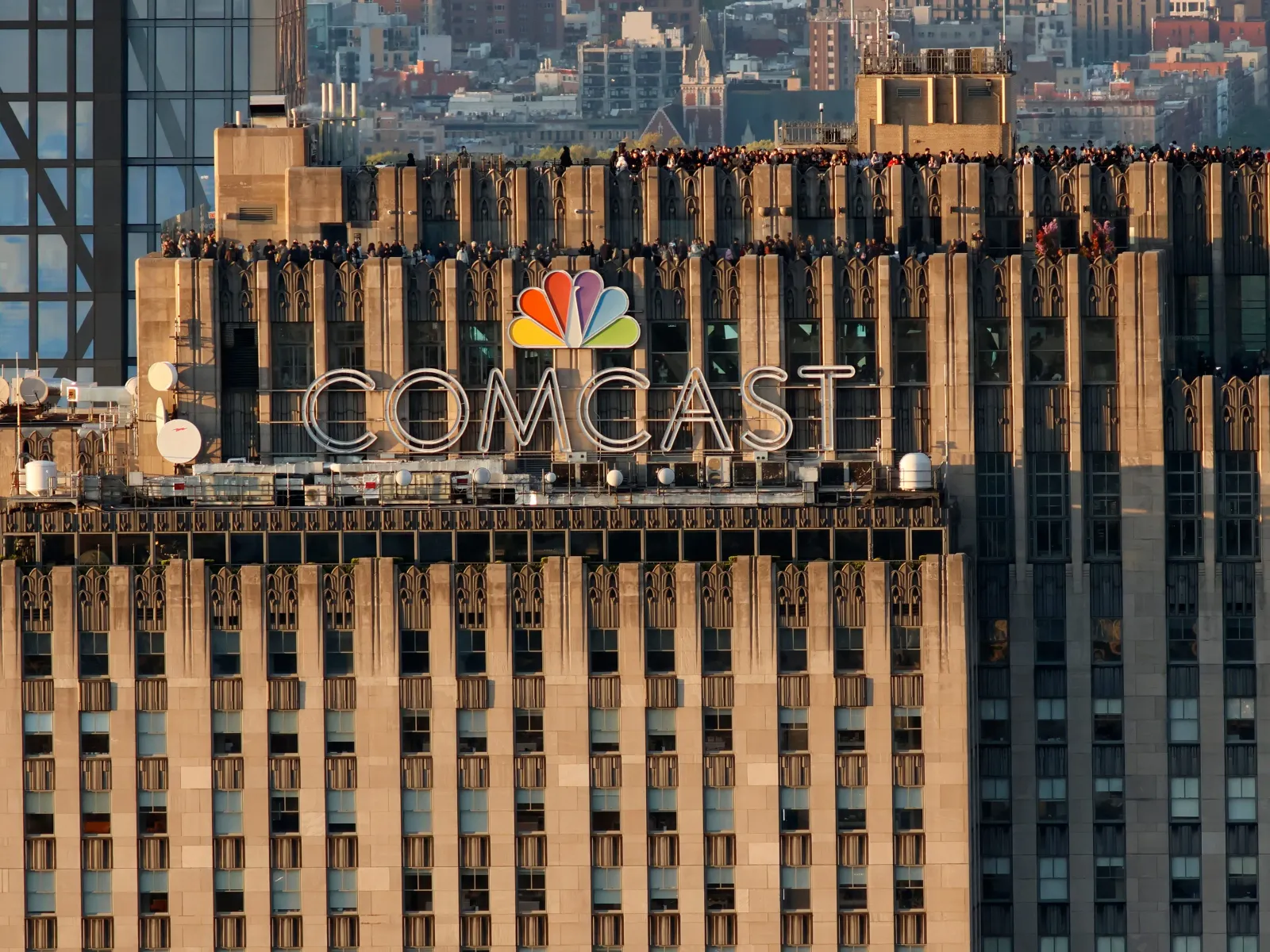
Comcast shares jump 25% as it plans to split NBCUniversal and Sky
The tax-free spin-off could reshape focus, funding, and competition across media and tech for years.

Bungie cuts most Destiny 2 staff as Sony says Marathon still matters
Herman Hulst confirms layoffs affecting most Destiny and some Marathon teams after Bungie admits Destiny fell short.

SK Hynix jumps 11% after seeking up to $29.4B in Nasdaq listing
The chip giant filed for a Nasdaq listing plan that could raise $29.4 billion, instantly reshaping investor expectations.