
Low-E windows can trap heat, but bowed glass can magnify sunlight into fires
Low-emissivity glazing helps buildings run more efficiently, yet rare installation geometry can create a neighbor-ending risk.
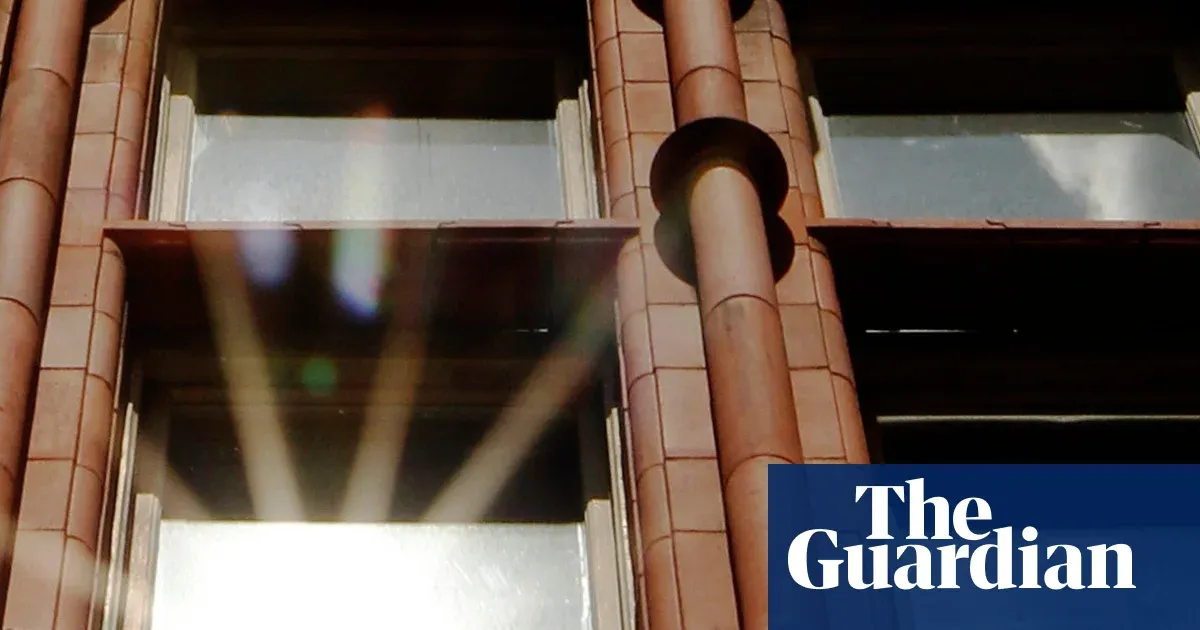
Low-emissivity, or low-E, window glass uses a thin metal or metal oxide coating to pass visible light while acting like a mirror to infrared heat. The consequence is a rare but serious side effect: with bowed glass, the panes can behave like a magnifying glass and set nearby property on fire.
Low-emissivity windows are built for efficiency. They keep homes warmer in winter and cooler in summer by using coated glass to manage heat, not just light. The rare catch is installation-related: if the glass is bowed, it can create a magnifying-glass effect strong enough to set a neighbor's property on fire.
Here is the underlying mechanism, and it explains why this isn't magic or mystery. Low-E glass is coated with a thin layer of metal or metal oxide. That coating lets visible light through but behaves like a mirror in the infrared. In winter, heat from the interior is reflected back inside, retaining warmth. In summer, unwanted solar radiation is repelled, limiting heat gain. Those are the benefits everyone wants from a “green” window.
So why would the same technology ever be a fire risk? Because the coating changes the heat story at the surface, and bowed or curved panes can concentrate incoming light the way a lens does. The Guardian description is simple: on bowed glass, low-E windows can have a magnifying-glass effect. When sunlight is concentrated, temperatures at the focal point can rise quickly. If that concentrated energy lands on combustible materials nearby, you can get ignition. The key point is that the coating is not supposed to do the lensing. The geometry is.
For executives, this matters because low-E windows sit at the intersection of sustainability mandates and real-world liability. Energy-efficient retrofits and new builds often feature glazing performance targets, since windows directly affect heating and cooling demand. The low-E approach is common because it offers a relatively straightforward way to reduce energy use: reflect infrared heat back when you want it inside, block solar gain when you want it outside. But once a product choice is tied to building standards, decisions also become insurance decisions, contractor decisions, and sometimes disputes with adjacent owners.
Regulators and standards bodies generally evaluate window performance as optical and thermal behavior. Low-E coatings are designed around how they transmit visible light and manage infrared. The Guardian piece highlights a rare side-effect rather than a broad systemic failure, which is exactly how these issues often show up. In other words, the product can meet performance goals in normal installations while still presenting edge-case risks depending on how the glass is shaped, installed, or deforms over time.
That leads to second-order implications for boards, procurement teams, and risk managers. First, warranties and installation quality are not separate from material performance. If bowed glass creates a lensing effect, then the path from “efficient window” to “fire” runs through workmanship and constraints during installation, including how panels are supported and whether the glass ends up under stress or misaligned.
Second, stakeholder mapping becomes crucial. Window failures do not just affect the property owner who installed them. They can involve neighbors, insurers, and local authorities if a fire occurs. Even if the event is rare, the operational and reputational fallout can be immediate and expensive. For companies selling glazing systems, that can translate into more scrutiny of installation instructions, training, and field verification. For builders and retrofit firms, it can mean re-checking acceptance criteria for installed panes.
Finally, consider the strategic stake for anyone in building products, construction, or facilities leadership. Low-E windows are positioned as “green technology” because they reduce heating and cooling loads. But sustainability claims are only as robust as their safety record in the real environment. The Guardian account underlines that even established, beneficial materials can have a downside when combined with a specific condition: bowed glass. Executives who treat that as a single technical footnote, rather than a risk pattern that depends on geometry and context, can get surprised at the worst possible time.
This story's Key Insights and Take-aways are locked.
Create a free account to unlock Executive Actions for one credit.
Register to UnlockAlways free for Executives Club members. Join the Club
More in Technology

Google quietly links your phone number to every Android account on your SIM
Adding a SIM now ties your phone number to all Google accounts - and future accounts inherit it. Here's the security and privacy stakes.

Hijacker AI 'Skynet mode' runs 100,000 attack steps against exposed models
Symantec caught a criminal AI agent that borrows other models, steals data, and mines crypto; the only relief is no confirmed victims yet.

Nvidia's AI-financier shift faces its first big test as neoclouds stumble
A rout in neocloud stocks is forcing investors to weigh Nvidia's hidden exposure as both supplier and lender to the AI buildout.