
Lucid cuts 1,500 jobs, second round of layoffs in 2024, CEO cites “simplify” plan
After a prior 12 percent reduction, Lucid slashes 18 percent of staff to push toward profitability and cash-flow.
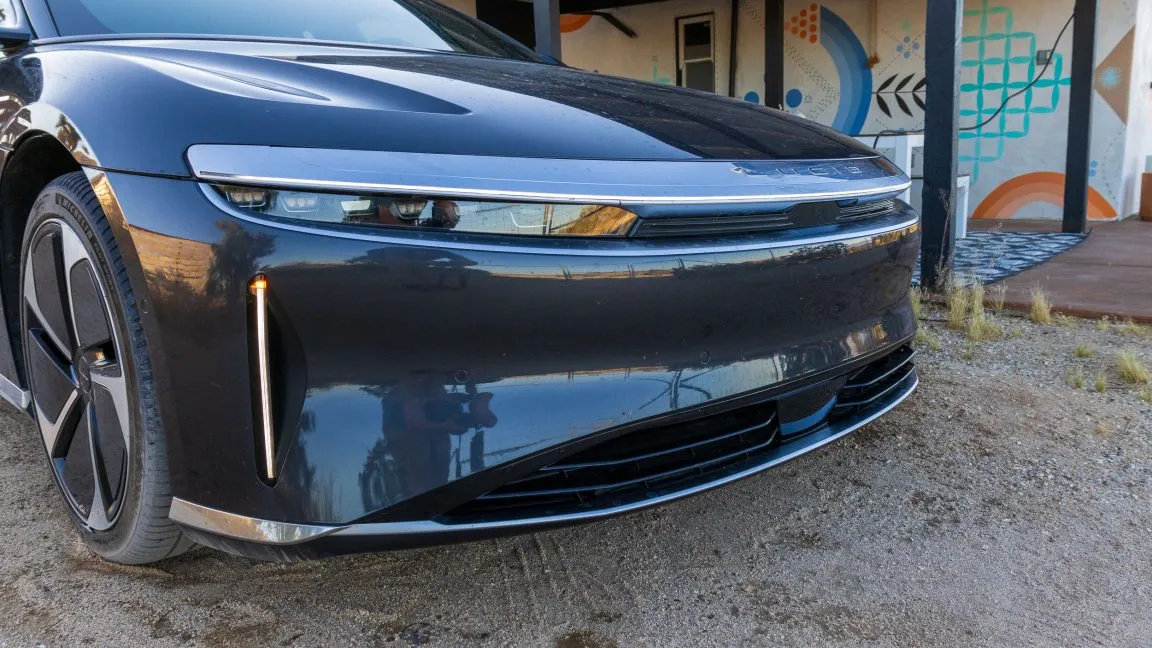
Lucid Motors is laying off approximately 1,500 workers, about 18 percent of its workforce, in its second major cut of 2024. The CEO says the moves support a plan to “simplify the company,” as described in a Securities and Exchange Commission filing.
Lucid Motors is laying off approximately 1,500 workers, equal to 18 percent of its workforce, in the second big round of job cuts this year. This follows a February reduction of 12 percent of its workforce, underscoring how aggressively the Saudi-backed automaker is trying to reduce costs while it ramps vehicles and chases profitability.
In an SEC filing, Lucid described the layoffs as “designed to advance the Company’s path toward profitability and positive cash flow generation by streamlining its organizational structure, optimizing operating expenses, and aligning production plans with anticipated demand.” Translation: the company is trying to make its cost structure match what it believes it can sell, not what it would like to sell eventually.
The timing is especially sharp because Lucid has been selling and marketing new products. Three months ago, it showed off a new midsize electric vehicle platform that it said would support a number of new vehicles in the years ahead. Today, the company is still actively building momentum with its current lineup, selling its Gravity SUV and continuing with the Air sedan, which it describes as increasingly improved.
That product roadmap matters because layoffs do not happen in a vacuum. In EVs, execution risk is constant, and “demand” is the one variable teams cannot engineer their way out of quickly. Lucid’s stated plan is to reach profitability with smaller and cheaper models sold in higher volumes. But higher volumes usually require both manufacturing scale and confidence that customers will buy enough units at a price that makes the unit economics work. Cutting headcount is one way to buy time while the company tests whether the market will meet those assumptions.
This is also the second-order story boards should watch: layoffs can reduce burn rate in the short term, but they can also reshape what the company can deliver next. When a company aligns production plans with anticipated demand, it is effectively making a bet about how quickly it can stabilize output, manage inventory, and avoid spending more than it earns. If demand lands differently than expected, the cost cuts may need to continue, or product timelines may shift, or both. Lucid’s February layoffs and the new 1,500-job reduction show that the company is treating these as part of one ongoing operating adjustment, not a one-off cost reset.
There is another layer, too: the regulatory and capital environment that surrounds US-listed electric vehicle makers. Lucid’s filing to the Securities and Exchange Commission is a reminder that markets are not only watching product headlines, they are scrutinizing cash flow trajectory and operational discipline. For investors and directors, the legal disclosure makes the company’s narrative testable. Lucid is telling the market it is streamlining its organizational structure, optimizing operating expenses, and aligning production plans with anticipated demand. Those are broad levers, but they have to show up in measurable results over time, especially if the company wants to maintain access to capital on reasonable terms.
Industry context makes this feel less like a surprise and more like a reckoning. Many EV makers expanded aggressively during periods of easier funding and a market expectation that scale alone would solve profitability later. As conditions tightened, the industry’s math moved to the foreground: how fast can you produce at scale, at what cost per unit, and with what revenue per unit after incentives, competition, and pricing pressure? Lucid is now using headcount reductions as a mechanism to reduce fixed costs and bring the organization closer to the production reality it expects.
For executives and board members at peers trying to survive the “growth versus cash” squeeze, Lucid’s pattern is the real signal. A plan described as “simplify the company,” followed by an initial 12 percent cut in February and then a further cut of 18 percent now, suggests the company believes its original cost base did not match its near-term path to profitability. The strategic stakes are straightforward: if the organization cannot scale profitably, capital markets can get less forgiving, and timelines for new vehicles and platforms become more dependent on cost control and demand accuracy than on product ambition alone.
This story's Key Insights and Take-aways are locked.
Create a free account to unlock Executive Actions for one credit.
Register to UnlockAlways free for Executives Club members. Join the Club
More in Business

Accenture’s $4.18bn play fails as AI fears spark a 20% worst-ever stock plunge
On Thursday, Accenture hit its biggest one-day drop on record after forecasting worries that AI could hollow out consulting.

SpaceX stock jumps 3% after it overtakes Amazon’s market cap
CNBC says SpaceX’s shares surge following its IPO Friday, forcing investors to reprice what “space” and “AI” are worth.

SpaceX’s first options day breaks U.S. records after a $85B IPO win
Big IPO, bigger options debut: what it means for investors, risk teams, and anyone benchmarking market appetite.