
Luis Manuel Otero Alcántara reaches Miami after 5-year prison deal forced exile
The Cuban dissident artist arrives in the U.S. after a conditional release: freedom only if he leaves Cuba.
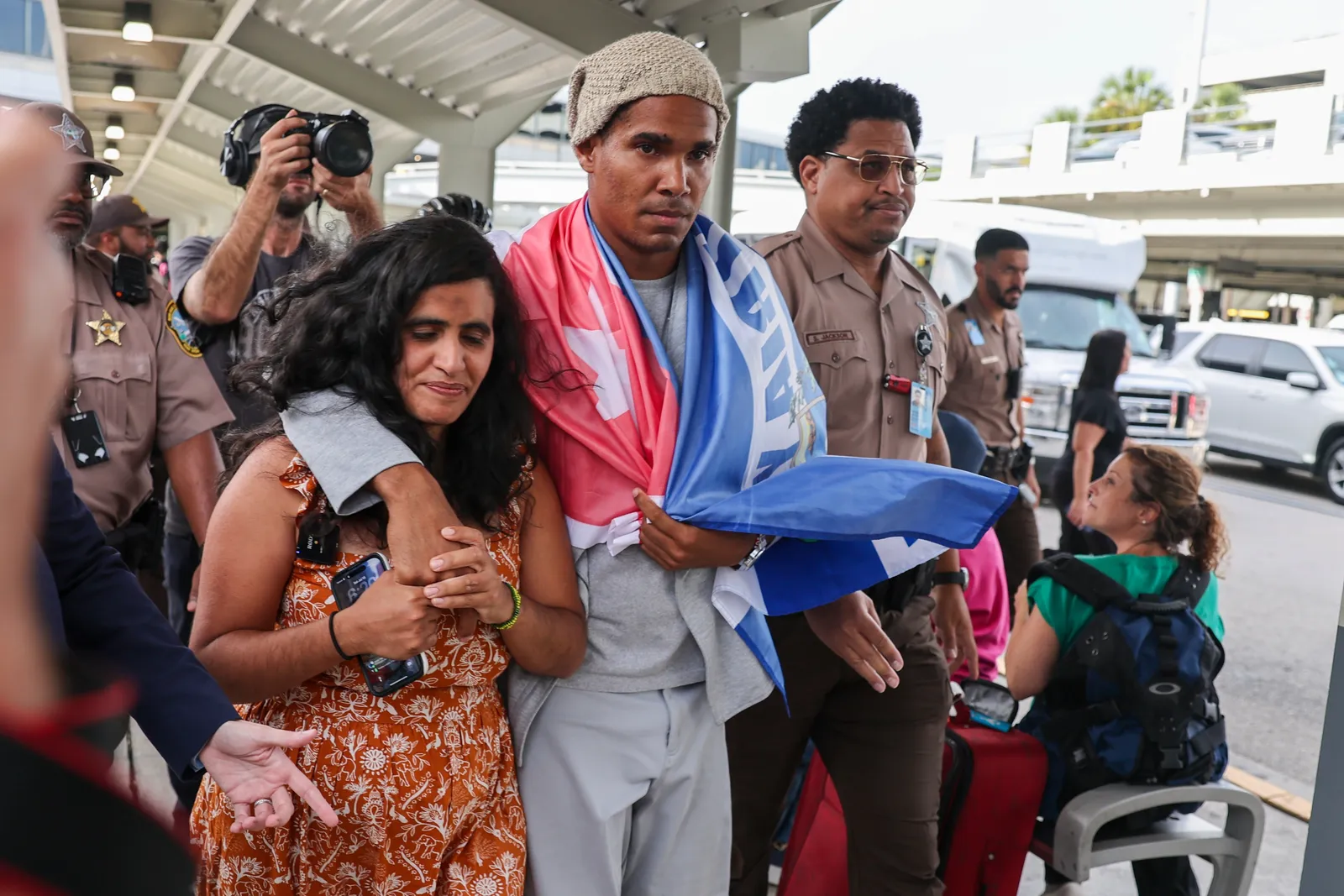
Luis Manuel Otero Alcántara, a Cuban dissident artist and musician, arrived in Miami on Saturday after being released from a five-year prison sentence. For decision-makers tracking geopolitical risk and rights-based disruption, the case shows how conditional freedom can quickly shift transnational attention.
Luis Manuel Otero Alcántara, a Cuban dissident artist and musician, arrived in Miami on Saturday after being released from a five-year prison sentence. The catch was explicit: the release came on the condition that he leave his country.
That “freedom with an exit visa” structure is the whole story, and it is why it matters beyond one person. Alcántara’s arrival in Miami is not just a personal milestone. It is a reminder that political pressure can be translated into operational realities, from where a person can live to which communities, platforms, and institutions they can access next. For anyone making decisions in media, finance, compliance, travel, or supply chains linked to the region, these shifts can move faster than your normal monitoring cycles.
To understand the second-order impact, it helps to zoom out on what typically happens when a dissident is released under an exile condition. The sentence ends, but the story does not. Instead, the narrative relocates: from court documents and prison reporting to border logistics, visas, and public visibility in a new country. In this case, that means Cuban dissident attention in Miami, where news, cultural institutions, and diaspora networks can amplify the message in real time.
This is also a reminder of how U.S. and partner-country policy environments often intersect with human rights developments. While the source is specific to Alcántara’s release and arrival, the broader pattern is that governments and institutions take cues from major rights cases, even when the legal mechanics differ. When a person is released and sent abroad as part of a condition, governments, broadcasters, and civil society organizations tend to treat the event as more than biography. It becomes an actionable signal about political climate, enforcement risk, and the likelihood of further detentions or bargaining.
For executives and boards, the practical question becomes: what does a high-profile rights case do to risk maps and brand exposure? The honest answer is that the impact can be indirect but real. A prominent figure moving to a major media hub like Miami can increase attention around affiliated networks, event calendars, partnerships, and digital traffic. Even companies that are not “in politics” can end up in the orbit of the conversation through sponsors, venues, broadcasters, or influencers covering the arrival.
There is also a compliance angle, especially for organizations with travel, immigration, or cross-border operations connected to Cuba. Conditional release and forced exit can create sudden changes in who can travel, where they can be hosted, and which documentation is required for public appearances, interviews, or organizational engagements. In a world where sanctions and regulatory frameworks can be complex, timing matters. An event that lands on a Saturday creates weekend pressure for scheduling and decision-making when many internal review processes are slower.
Finally, there is the reputational and governance stake for institutions that care about civil rights and cultural work. Alcántara is described as a famous Cuban dissident artist and musician. When someone with that profile is released and then exiled, it tests the bandwidth of the ecosystem around them, including journalists, arts organizations, and advocacy groups. The next moves are not just artistic. They can include public statements, exhibitions, and media coverage, each of which carries consequences for how stakeholders perceive the organizations supporting or engaging them.
For peers in similar roles, the strategic takeaway is simple but sharp: human rights and geopolitical events can create sudden operational shifts, especially when a conditional release relocates the story to a different country. Alcántara’s arrival in Miami after five years in prison, under a requirement to leave Cuba, is a case study in how quickly a legal outcome becomes a transnational reality.
This story's Key Insights and Take-aways are locked.
Create a free account to unlock Executive Actions for one credit.
Register to UnlockAlways free for Executives Club members. Join the Club
More in Politics

LA County: DOJ's 20,000 'noncitizen' voter list is 'unreliable,' includes U.S.-born
Preliminary review by Los Angeles County election officials finds errors in the federal list, raising the stakes for voter roll integrity ahead of November.

Trump's $1.5B Pentagon chip investment lands in North Carolina
A $1.5 billion defense infusion for North Carolina chipmaking signals a new era of Pentagon-backed reshoring - here's what it means for the industry.

Nigeria confirms first Ebola case in Abuja, a woman just off a Uganda flight
Health Minister Muhammad Ali Pate says the patient flew in from Uganda, putting Africa's latest outbreak on Nigeria's doorstep.