

Luxshare misses in Hong Kong debut as Apple supplier slips in 2026 listing race
The Apple supply-chain name that was positioned for Hong Kong's biggest 2026 listing starts weak, forcing a read on demand.
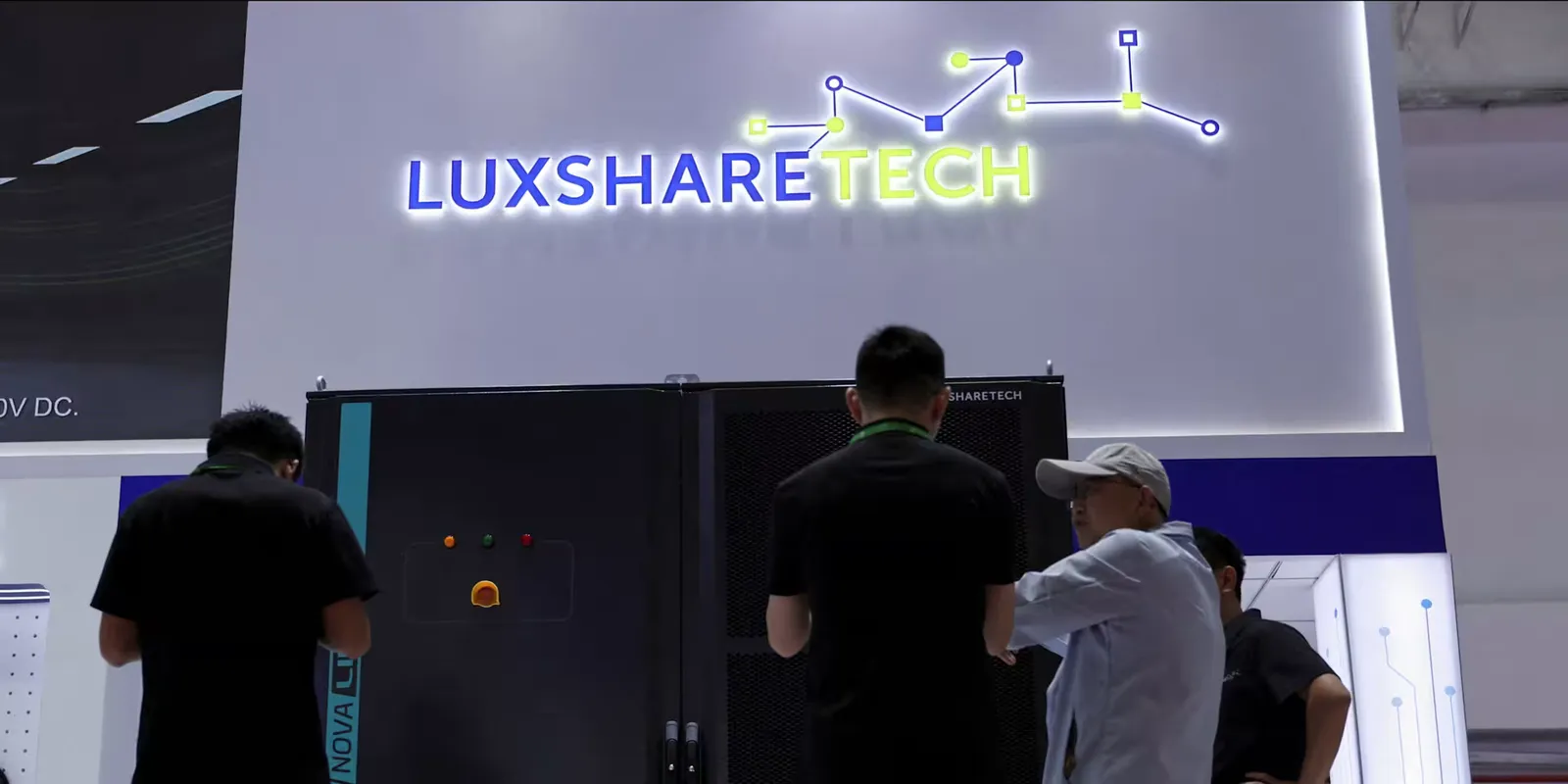
Luxshare, an Apple supplier, got underway with Hong Kong's biggest listing of 2026, but the stock slipped after the listing. For decision-makers, the early move is a real-time signal on how investors are pricing Chinese tech supply-chain risk right now.
Luxshare, the Apple supplier behind Hong Kong's biggest listing of 2026, started its public-market chapter with a stumble. Instead of locking in a clean debut, the shares slipped in Hong Kong trading, turning what looked like a landmark event into a test of investor appetite.
For executives watching capital markets, the punchline matters: this was not a routine float. Hong Kong's “biggest listing of 2026” framing puts Luxshare at the center of attention, and when a high-profile debut starts off badly, it quickly becomes less about that one company and more about what the market is willing to pay for the broader category it represents. That category, in this case, is the Apple-linked manufacturing and supply chain ecosystem, where demand visibility, execution risk, and geopolitical sensitivity all get bundled into the price.
To understand why the early slip can ripple beyond Luxshare, you have to know how listings work in practice. IPO and secondary listings are where the market translates private expectations into public pricing. If investors show up cautiously at the start, it can reflect a few things at once: valuation discipline, skepticism about growth durability, or concerns about cross-border supply-chain exposure. And because Luxshare is an Apple supplier, its valuation conversation tends to carry extra gravity. Apple is not just any customer. It is a proxy for global consumer tech demand, product cycle stability, and the health of supply-chain partners who sit in the middle of that cycle.
There is also the Hong Kong dynamic. The city’s market is often treated as a bridge between global capital and companies tied to China. When a headline listing is described as the biggest of the year, it becomes a referendum not only on the issuer, but on Hong Kong as a venue for big, high-visibility deals. A debut that slips can cool sentiment for other issuers that were watching for a signal on pricing power. Boards and deal teams, especially those coordinating timing across regions, pay attention because capital market windows can be fragile. Even a temporary early weakness can change how quickly investors show up for the next large transaction.
Regulation and structure are part of the backdrop too, even if this specific moment is driven by trading behavior rather than new rules. Hong Kong listings happen inside a framework of disclosure expectations, investor protections, and market conduct rules that influence how quickly institutional buyers can underwrite the story. When trading opens and the stock runs the opposite direction from initial optimism, it prompts immediate internal questions at funds and on issuer side: Did the order book skew? Was the valuation set too rich for the risk taken? Are investors separating the company’s execution from the macro and regulatory premium they assign to the whole China-linked supply chain?
From a governance lens, Luxshare being described as “an Apple supplier” also matters for how boards think about strategic dependencies. Supply-chain companies can be surprisingly resilient when contracts and production allocations are stable. But the market often worries about concentration risk and about how quickly demand or product cycle shocks travel upstream. When a debut slips despite the scale implied by “biggest listing of 2026,” it can underline that investors want proof of momentum, not just relationships. That, in turn, can push management teams to prioritize clearer near-term metrics, sharper commentary on orders or capacity utilization, and tighter guidance credibility where disclosure allows it.
The second-order implication is about what other executives should take from this. If you are a CFO, you are watching for how quickly underwriting risk changes after an IPO starts trading. If you are on a board, you are watching for investor appetite for your sector and for your region. If you are a founder or deal leader, you are learning that the “biggest listing” label does not automatically translate into immediate demand. Public markets still decide, instantly, whether the story matches the price. And right now, Luxshare’s slip is telling decision-makers to treat 2026 Hong Kong liquidity for large China-linked tech supply chain deals as a real variable, not a given.
This story's Key Insights and Take-aways are locked.
Create a free account to unlock Executive Actions for one credit.
Register to UnlockAlways free for Executives Club members. Join the Club
More in Business
Comcast shares jump 25% as it plans to split NBCUniversal and Sky
The tax-free spin-off could reshape focus, funding, and competition across media and tech for years.

Bungie cuts most Destiny 2 staff as Sony says Marathon still matters
Herman Hulst confirms layoffs affecting most Destiny and some Marathon teams after Bungie admits Destiny fell short.

SK Hynix jumps 11% after seeking up to $29.4B in Nasdaq listing
The chip giant filed for a Nasdaq listing plan that could raise $29.4 billion, instantly reshaping investor expectations.