

Luxshare shares drop 5% at Hong Kong debut after pricing at HK$63.28
AirPods assembly king Luxshare raises HK$24.27 billion in its IPO while the Hong Kong tape immediately tests sentiment.
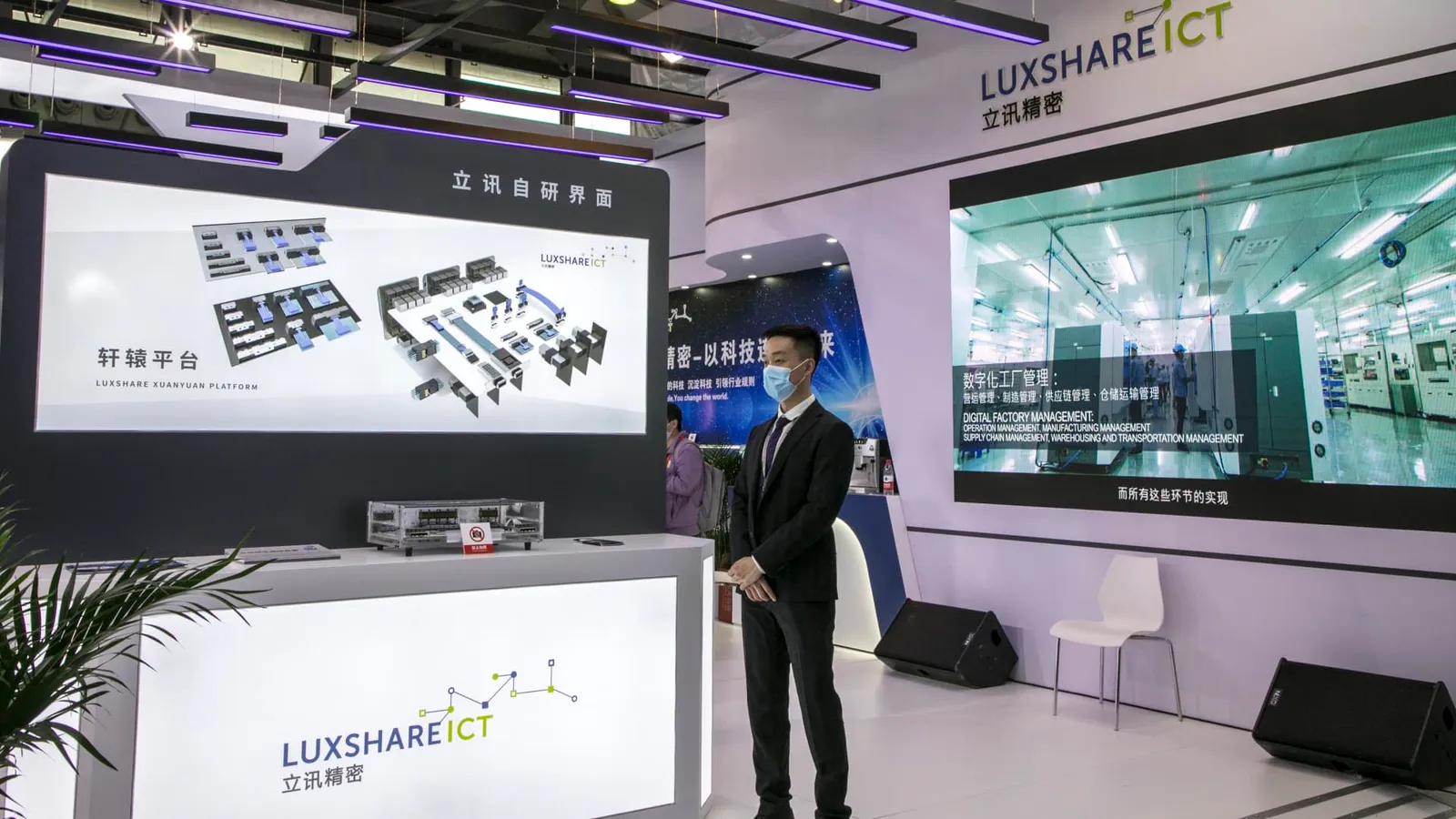
Luxshare, the AirPods maker already listed in Shenzhen, priced its Hong Kong IPO at HK$63.28 per share and raised HK$24.27 billion ($3.09 billion). The Hong Kong debut initially pushed the stock down more than 5%, a reminder that IPO pricing and listing-day trading can diverge fast.
Luxshare, the AirPods maker, slid over 5% in its Hong Kong debut after pricing its IPO at HK$63.28 per share. That initial move matters because the company did not just sell shares. It also raised a large pile of capital, bringing in HK$24.27 billion ($3.09 billion) in the process. In other words, this is a classic “fundraising vs. market mood” moment: the book can get filled at a set price, but the first reads from public trading can still wobble.
Here is the full setup in plain terms. Luxshare is already listed in Shenzhen, meaning it already has an investor base and established trading history in China’s mainland market. For the Hong Kong listing, the IPO price was set at 63.28 Hong Kong dollars per share, and the offering raised HK$24.27 billion, equivalent to about $3.09 billion. Yet the stock still slid over 5% once it started trading in Hong Kong. That split between “how much money was raised” and “where the stock trades immediately after” is exactly why executives watch debut days so closely.
To understand why, you have to remember what a listing actually signals. IPO pricing is negotiated and calculated, and it often reflects a range of factors: demand from institutional investors, market liquidity, and the story management wants to tell. But the first day trading price is the market’s real-time vote. If Luxshare’s shares were priced to clear at HK$63.28 and then opened the door to a drop of over 5% in Hong Kong, it suggests investors were ready to participate in the raise but still skeptical about near-term valuation, timing, or sentiment in this specific listing venue.
Hong Kong IPOs also carry their own framing. The exchange is a different investor ecosystem compared with Shenzhen. Even when the underlying business is the same, the buyer pool, risk tolerance, and cross-border flows can shift quickly. Luxshare essentially brought its existing listed identity into a market that is often treated as a global capital hub. That can be a powerful access move, but it also means the stock gets priced against broader international expectations from day one.
There is a second, quieter implication for boards and finance leaders. When a company raises HK$24.27 billion but the shares slip over 5% at debut, it can raise questions internally about the gap between what the offer price implied and what the market was willing to pay immediately upon trading. That does not automatically mean the deal was “wrong.” IPO pricing is usually about ensuring distribution and attracting long-term holders. Still, the optics are real, especially for companies that are already listed elsewhere and are trying to extend their capital story rather than start from scratch.
For executives in other hardware supply chains and consumer tech exposure, Luxshare’s move is a reminder that capital markets are not a one-way street. You can raise a headline number like HK$24.27 billion, and the market can still decide that the first punch of trading will come with caution. If you are a CFO planning an equity event, or a CEO thinking about how to time diversification of listings, the debut reaction is often the first “live test” of how different investor groups interpret your growth and risk profile.
Finally, for investors and operators watching the regional capital picture, a debut that slides over 5% after a HK$63.28 IPO price tells you something about near-term sentiment. It suggests that sentiment in Hong Kong, at that exact moment, was not fully aligned with the IPO pricing implied by demand at issuance. Luxshare’s Hong Kong debut is therefore less about the headline money raised, and more about the valuation conversation the market starts immediately after the ticker lights up.
This story's Key Insights and Take-aways are locked.
Create a free account to unlock Executive Actions for one credit.
Register to UnlockAlways free for Executives Club members. Join the Club
More in Business
Comcast shares jump 25% as it plans to split NBCUniversal and Sky
The tax-free spin-off could reshape focus, funding, and competition across media and tech for years.

Bungie cuts most Destiny 2 staff as Sony says Marathon still matters
Herman Hulst confirms layoffs affecting most Destiny and some Marathon teams after Bungie admits Destiny fell short.

SK Hynix jumps 11% after seeking up to $29.4B in Nasdaq listing
The chip giant filed for a Nasdaq listing plan that could raise $29.4 billion, instantly reshaping investor expectations.