

Madison Square Garden sues Wired over LGBTQ tracking claim from July article
The venue alleges the tech magazine implied it tracked celebrities' sexual orientation for discriminatory purposes.
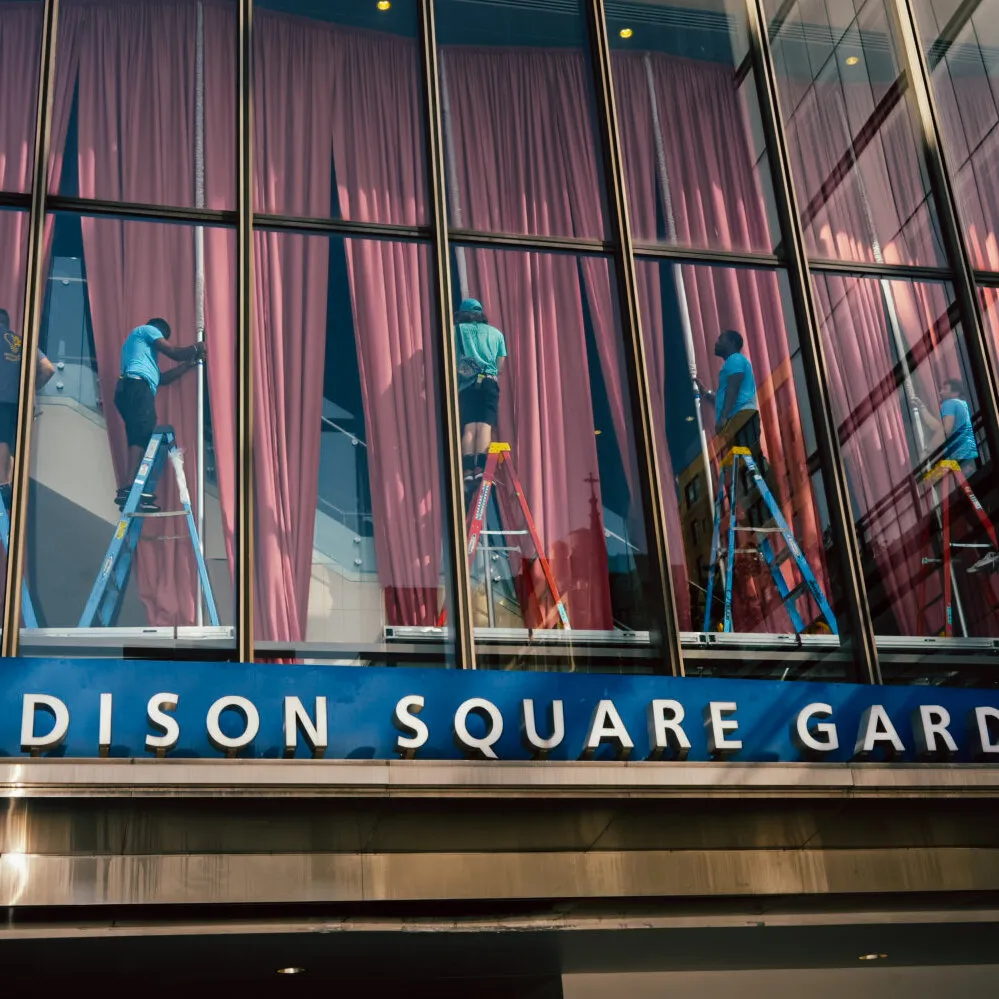
Madison Square Garden, the Manhattan venue operator, sued Wired over a July technology-magazine article it says falsely implied it tracked information about some celebrities' sexual orientation for discriminatory purposes. For executives, the case spotlights how privacy and profiling allegations can turn editorial claims into legal and brand risk fast.
Madison Square Garden is taking Wired to court over a July article it says misrepresented what the venue did with information tied to celebrities' sexual orientation. According to the New York Times, the Manhattan venue claims the technology magazine falsely implied it tracked that kind of personal data for “discriminatory purposes.”
That is the core fight, and it matters because the allegation is not just about privacy in the abstract. It is about intent, use, and harm. If the public narrative becomes that a widely visited venue tracked LGBTQ-related information to discriminate, the damage can outrun the facts. Madison Square Garden is basically trying to close that gap in real time, not after the internet finishes remixing the story.
Zoom out for a second, because this is a familiar pattern in modern media and legal exposure. Technology publications, advertisers, and platforms increasingly sit in the same ecosystem as large consumer brands and entertainment operators. When a magazine publishes a piece that suggests a target organization collected or used sensitive attributes, executives have to treat it like a risk event. Even if the factual basis is contested, the headline implication can trigger reputational fallout, customer distrust, partner renegotiations, and internal compliance scrambles.
Sensitive-category data is a special category of compliance risk in many jurisdictions and policy frameworks, precisely because it is linked to identity and can be used to harm. While this dispute centers on what Wired's July article “falsely implied,” it still lands in a regulatory and legal neighborhood where intent and downstream use are scrutinized. In general terms, when organizations are accused of collecting or processing data about protected traits or characteristics, regulators and courts tend to ask not only what was collected, but why it was collected and how it was used.
For Madison Square Garden, the stakes are doubled. First, it is an operator of a high-profile Manhattan venue, which means its brand is both visible and emotionally charged for audiences. Second, it exists in a world where the public and the press often view tracking and profiling through the lens of surveillance. That lens can convert even a contested statement into a reputational emergency. Suing is not just a legal posture. It is an attempt to force a correction and limit the long-tail damage of an implication that sticks.
The suit also has implications for executives at other entertainment, media, and consumer-facing companies, even if they never touch celebrity data directly. Wired is a technology magazine, but the case is really about how organizations can be portrayed as acting with discriminatory intent based on how information is described. Boards should notice that courts, press, and audiences are increasingly treating narrative framing as consequential. The question becomes: what does an article imply, not only what it explicitly states.
There is a second-order operational effect too: the compliance and legal teams behind these companies usually have to move faster than normal. When a high-reach publication publishes something that signals discriminatory tracking, internal teams often need to validate data handling practices, review vendor relationships, and check whether any systems could be interpreted as collecting or inferring sensitive information. That validation is expensive and disruptive, even when the organization believes it is wronged. The threat model expands from “is our data handling compliant” to “will our practices be mischaracterized in a way that suggests wrongdoing.”
By filing a lawsuit, Madison Square Garden is effectively telling peers that reputational risk from editorial content can become litigation risk. For decision-makers, the strategic takeaway is straightforward: media risk now needs the same seriousness as product risk. When a claim implies discriminatory use of sensitive personal attributes, the time to prepare is before the story spreads and becomes a default assumption. The venue is pushing back immediately, and the rest of the industry should take note of how quickly an argument about “what was implied” can turn into a fight over what a company did, why it did it, and how it should be understood.
This story's Key Insights and Take-aways are locked.
Create a free account to unlock Executive Actions for one credit.
Register to UnlockAlways free for Executives Club members. Join the Club
More in Business

Uber buys Delivery Hero for nearly $15B, vaulting to top food delivery outside China
The deal doubles Uber's dual-services footprint and pushes a ride-and-eats bundling play into 50 more markets.

Epic and Google drop settlement bid, forcing rival Android app stores by July 22
Google told the court it is ready to carry third-party app stores starting Wednesday, July 22.

SK Hynix opens at $170, raises $26.5B, and tops foreign IPO records
In Friday's Wall Street debut, SK Hynix turns AI RAM demand into a $26.5B fundraising moment that rewrites comps.