

Magic’s Coldsnap flopped in reputation, then aged into an ahead-of-its-time experiment
Why a “worst” Magic: The Gathering set still reveals how the game keeps inventing new ways to sell and tell stories.
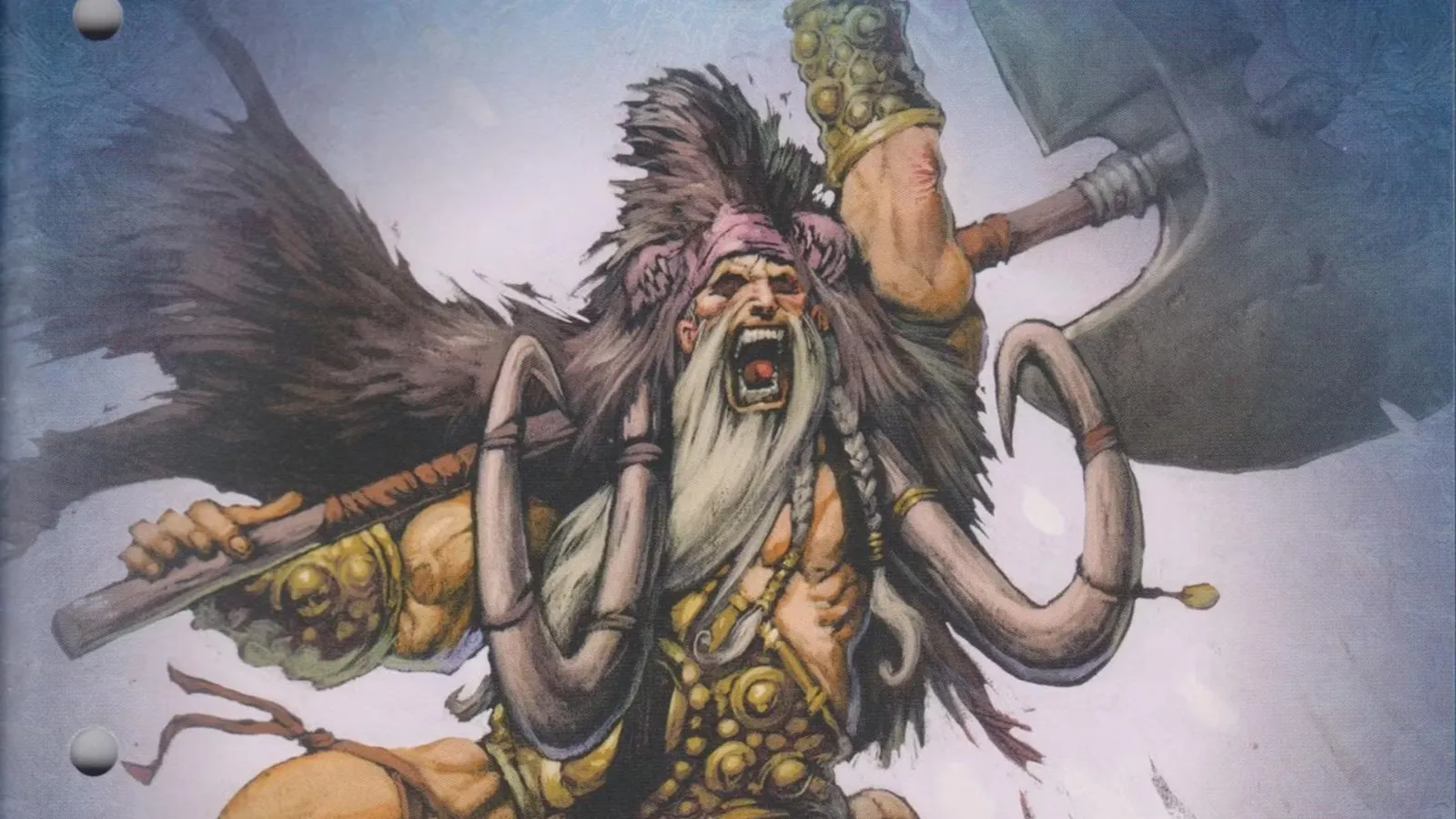
Magic: The Gathering has a history of releases that go off-script, and Polygon highlights Coldsnap as a standout case. Even if Coldsnap is remembered as one of the worst sets, it is still one of the most interesting because it tried to do something different.
Magic: The Gathering has never been shy about getting weird. Over the past 30-plus years, it has tried everything from silver-bordered joke sets to oversized Vanguard cards, conspiracy draft sets, and Universes Beyond crossovers. It has also sold entire expansions through unusual formats, including campaigns like Shadows over Innistrad. That matters because “weird” in games is not just style. It is an experiment in player behavior, product strategy, and how far you can stretch a brand before it breaks.
And according to Polygon, none of Magic’s strange releases are quite as fascinating as Coldsnap. Even though Coldsnap is commonly remembered as one of Magic: The Gathering's worst sets, it is still one of the most interesting it ever tried. The core idea is simple but revealing: reputations can freeze, while design ambitions can keep paying off. Two decades later, the set looks strangely ahead of its time, which is exactly what you should care about if you are building products, allocating budget, or managing a portfolio of creative bets.
Cold weather fantasy is the easy surface detail. The deeper point is what Magic’s “weirdness” has always been doing. Magic is basically a rules system wearing a story engine. When Wizards of the Coast (the company behind Magic) changes how sets are packaged, drafted, or themed, it is changing the incentives underneath the game. Players respond to novelty, but they also punish inconsistency. That tension is why experiments can fail publicly and still be valuable internally. A set can underperform in the court of public opinion and still provide learnings that shape future releases.
Coldsnap sits inside that larger pattern. The Polygon piece is pointing out that Magic’s catalog includes multiple formats that test boundaries: silver-bordered joke sets, oversized Vanguard cards, conspiracy draft sets, and crossovers via Universes Beyond. These are not throwaway stunts. They are different ways of asking the same question: what happens if we treat the game like a living platform rather than a fixed product cycle?
Now, zoom out one level into why “ahead of its time” is such a big deal. In mature entertainment markets, audiences often develop a preference for recognizable systems, and boards start demanding that new bets reduce uncertainty. So when a brand like Magic tries something that does not land immediately, the risk is not just revenue. The risk is corporate memory. Teams can get punished for making the company “look wrong.” That is how you end up with cautious repeatability instead of iteration.
But Polygon’s angle suggests something more optimistic: the market can be late to recognize a good experiment, especially if the experiment challenges expectations. Think about it like this. In financial markets, a thesis can be correct and still be volatile before it is understood. In product, a design bet can look off during the launch window and become clear later when the audience, the competitive landscape, and the rest of the ecosystem catch up. Polygon is essentially arguing that Coldsnap belongs to that category of delayed recognition.
There is also a strategic implication for anyone managing a creative or technology-driven portfolio. When a brand repeatedly ships outside the center of its own norms, it builds optionality. Some bets will be remembered as missteps. Others will become templates. Even sets that are labeled as “worst” can still function as stress tests. They show what players tolerate, what formats scale, and what kinds of narrative or gameplay shifts create curiosity rather than confusion.
For executives and operators, the takeaway is not to chase “weird” for its own sake. It is to recognize that weird is often code for learning velocity. Magic’s history includes a pattern of unusually packaged releases, including an expansion sold entirely through a mystery campaign like Shadows over Innistrad. Coldsnap, despite its poor reputation, is framed as a particularly interesting experiment that still reads as prescient. That makes it a useful reminder: the most informative products are sometimes the ones your customers critique first.
This story's Key Insights and Take-aways are locked.
Create a free account to unlock Executive Actions for one credit.
Register to UnlockAlways free for Executives Club members. Join the Club
More in Entertainment

12TB Steam 'teraleak' goes beyond Valve: GTA 3, Mafia 2 prototypes exposed
A 12-terabyte dump of Steam data reveals prototypes and builds of third-party classics like GTA 3 and Mafia 2, plus unreleased Valve content, rewriting game history.

LinkedIn's romance problem: 1 in 4 workers say dating on it is fair game
A new survey shows a quarter of U.S. employees treat the professional network as fair game for romance, even as LinkedIn bans it and removes hundreds of thousands of offending posts.

Enhypen's first No. 1 album breaks K-pop's Billboard 200 streak
The K-pop group's 98,000-unit debut tops the chart while Dolly Parton's catalog reentry shows how death reshapes streaming.