

Marathon’s game director Joe Ziegler quits Bungie after July 17, handing over leadership
Two months after the last Destiny 2 update, Bungie replaces Marathon’s game director with Del Chafe III and Julia Nardin.
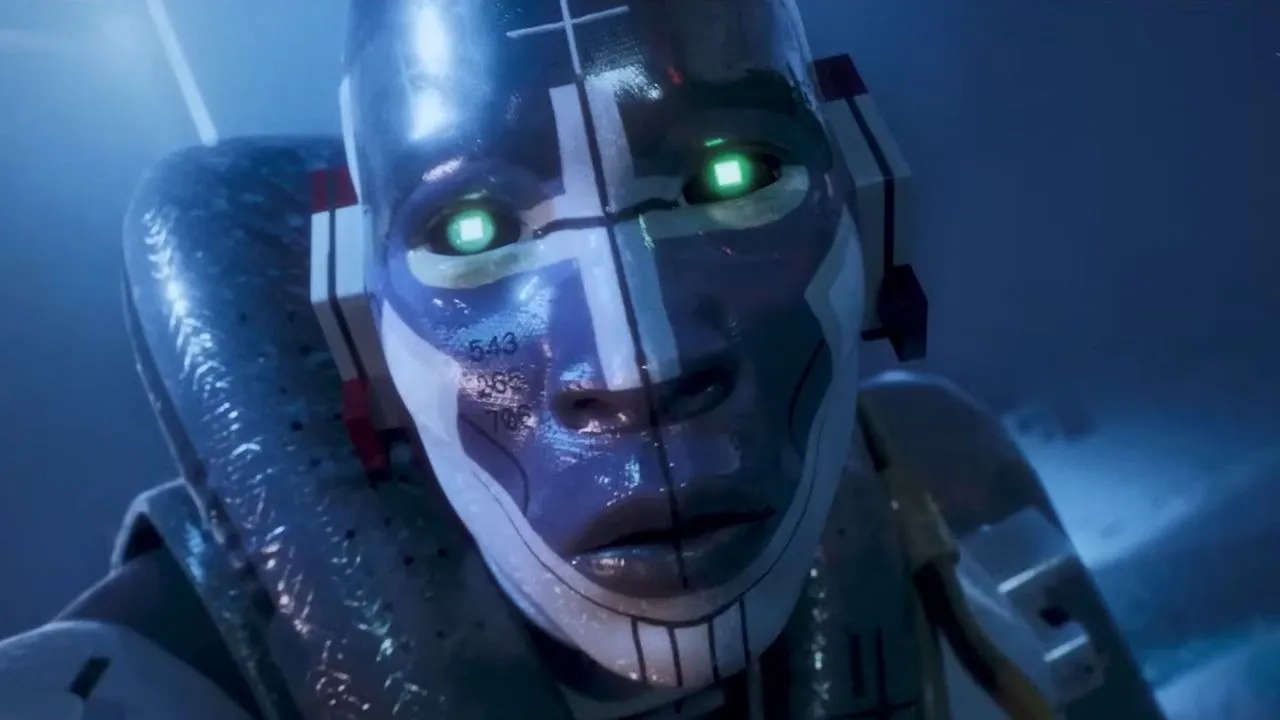
Joe Ziegler has stepped down as Marathon game director at Bungie, with his last day on July 17. Del Chafe III takes over as game director, supported by Marathon creative director Julia Nardin as Bungie continues transitioning away from Destiny 2.
Joe Ziegler just stepped down as Marathon game director at Bungie, and his last day was July 17. He announced the change on Twitter, saying he would “pass the torch of Game Director” to Del Chafe III, who will guide Marathon forward alongside Marathon’s creative director Julia Nardin.
The timing matters. Ziegler’s departure lands roughly two months after Bungie announced its final update for Destiny 2, a milestone that signaled the end of an era for one of the industry’s most watched live-service shooters. Marathon launched in March, but even with that fresh start, Bungie is now dealing with leadership churn on a project that is still finding its footing with players.
According to Steam DB as cited by GamesRadar+, Marathon peaked at 88,337 concurrent players at launch, but its current player count is 6,775 as of the article’s writing. That swing from nearly 90,000 simultaneous players to under 10,000 is not just trivia for shooter fans. For executives, it is the scoreboard that live-service teams constantly answer: does the game retain people, bring them back, and justify ongoing spending.
Bungie is also making the transition from Destiny 2 to whatever comes next while rebalancing internally. The source notes that Bungie has been shedding employees like “cat hair,” including layoffs in which it laid off “most” of the Destiny 2 team in a massive sweep. PlayStation CEO Herman Hulst said at the time that Marathon “remains an important part of our portfolio, and we will continue to support the team,” but the same article points out that some devs were still impacted by layoffs, underscoring how support on paper does not always prevent operational disruption.
This is where the leadership change gets sharper. When a game director exits early in the post-launch phase, boards and investors tend to ask: who is owning outcomes now, and how much momentum is preserved? In Marathon’s case, Ziegler explicitly frames the transition as continuity. In his Twitter announcement, he says both Del Chafe III and Julia Nardin “have been operating in a strong leadership capacity” and are ready to guide Marathon “into the next chapter with an even better and brighter future.” The practical takeaway is that Bungie is not bringing in a fully external reset. It is reassigning authority within the project’s leadership stack.
That matters because the most expensive part of a live game is not just building content. It is maintaining a coherent creative and production direction over years. The source adds that Nardin told GamesRadar+ earlier this summer that Marathon’s team already knew “where we want to take the story over the next few years.” So publicly, Bungie signals long-term intent for Marathon, and the director handoff looks like a move meant to keep that plan intact rather than scramble from scratch.
Still, Marathon’s player trajectory creates pressure, and pressure changes how organizations behave. The article argues Bungie looks ready to invest in Marathon as it leaves Destiny 2 in a “sad, comatose state,” but it also flags the other reality: when concurrency falls dramatically, every subsequent decision, staffing plan, and roadmap has to work harder to rebuild engagement. That includes how quickly leadership can translate vision into shipped improvements, and how effectively the team can respond to what players are actually doing, not what internal decks assume.
The broader context is that Bungie has been under organizational stress. Following the layoffs, Bungie studio head Justin Truman reportedly stepped down from his position after less than a year, and the source also references prior internal criticism from former narrative lead Michael Zenke, who left Bungie in 2017 and remarked after Destiny 2’s death knell update was announced that “Working at Bungie was the most toxic, dysfunctional experience of my professional life.” The article treats Ziegler’s sudden departure after those developments as additional evidence that there is a deeper management and culture issue running beneath the product headlines.
For executives across gaming, this is the second-order warning embedded in one clean headline. A live-service company can end one flagship game, relaunch another, and still be forced into reorganization mid-flight. Leadership turnover on a project like Marathon can either stabilize execution under a clearer ownership model, or it can add risk precisely when the game needs consistent delivery. With Marathon now led by Del Chafe III alongside Julia Nardin, Bungie is betting that continuity of leadership capacity will offset the optics of player decline and the internal turbulence that followed Destiny 2’s final update.
This story's Key Insights and Take-aways are locked.
Create a free account to unlock Executive Actions for one credit.
Register to UnlockAlways free for Executives Club members. Join the Club
More in Entertainment

12TB Steam 'teraleak' goes beyond Valve: GTA 3, Mafia 2 prototypes exposed
A 12-terabyte dump of Steam data reveals prototypes and builds of third-party classics like GTA 3 and Mafia 2, plus unreleased Valve content, rewriting game history.

LinkedIn's romance problem: 1 in 4 workers say dating on it is fair game
A new survey shows a quarter of U.S. employees treat the professional network as fair game for romance, even as LinkedIn bans it and removes hundreds of thousands of offending posts.

Enhypen's first No. 1 album breaks K-pop's Billboard 200 streak
The K-pop group's 98,000-unit debut tops the chart while Dolly Parton's catalog reentry shows how death reshapes streaming.