
Maria Sharapova planned her second act years before retirement, using injuries to learn business
The tennis legend says she studied, invested, and shadowed the NBA commissioner long before she left the sport.

Maria Sharapova told the WSJ Leadership Institute that she began planning life after tennis years before retiring from professional tennis in 2020. For decision-makers, her path highlights how athletes can build capital, credentials, and networks during downtime, not after the fact.
Maria Sharapova says she started preparing for her “second act” years before she officially stepped away from professional tennis. In an interview with the WSJ Leadership Institute published Tuesday, Sharapova laid out a clear thesis: she recognized early that “my career would end much sooner than in other professions,” so she needed to start hustling off-court while she was still winning on-court.
Sharapova also described how she used interruptions like injuries and breaks as structured learning time. She said that when she was injured, or when she had a break, she would go to business school for a few weeks, take internships, and broaden her knowledge beyond tennis. One specific example she gave: she went to the NBA for a few weeks to shadow Adam Silver, the league's commissioner, during her off-court training.
That might sound obvious in hindsight. But the point matters, especially in how high-profile careers end. Sharapova won her first Grand Slam title at age 17, then added four more during her career, and she was the world's highest-paid female athlete for 11 consecutive years. Then she announced her retirement from professional tennis in 2020 at age 32. Her claim is that she did not wait for the exit day to start building the next career file. She began earlier, treating breaks as deliberate runway.
The “break” strategy is especially interesting when you map it to incentives and risk. For elite athletes, time is not just money. It is also physical capacity, sponsorship cadence, and public attention. Sharapova said her growing profile gave her “a platform” that opened doors beyond the sport. As her financial position improved, she began investments she hoped would “turn into solid return on investment in the future.” That is the financial reality behind her narrative: the upside of fame is not only that it buys freedom. It can also fund learning and signal credibility in new arenas.
Her story also touches the regulatory side of sports careers without turning into a courtroom drama. In 2016, Sharapova received a 15-month doping ban after testing positive for meldonium. The source does not frame it as the trigger for her planning, but it does underline how quickly an athlete's timeline can be reshaped by external rules. What matters for second-act strategy is that Sharapova describes using time away from tennis in structured ways during those gaps, not letting the calendar disappear.
While she was away from the sport, Sharapova enrolled in a global management course and a leadership course at Harvard Business School, she told CNBC Make It in 2018. She also interned at the NBA. A spokesperson for Adam Silver told The New York Post in 2016 that Sharapova “took part in many of our department meetings to learn about the NBA operations.” In other words, she did not just take generic courses. She tried to understand how a major sports institution actually operates, including how departments run and how league leadership thinks.
If you zoom out, Sharapova is not the only athlete trying to beat the “retirement cliff.” The source points to Serena Williams launching venture capital firm Serena Ventures in 2014 while she was still competing. Williams later said she hoped to be remembered for more than tennis, and in a Vogue column in 2022 she wrote: “I admire Billie Jean because she transcended her sport. I'd like it to be: Serena is this and she's that and she was a great tennis player and she won those slams.” The takeaway is not which athlete said what. It is the pattern: building a portfolio and a new professional identity while the old one is still active.
Tom Brady’s trajectory is another example from the source. In a 2022 interview with GQ, Brady said he started thinking about his retirement a decade before he retired, explaining that he had seen athletes' careers end with “nothing enjoyable” to move into. “I was like, that's not gonna be me. I'm gonna do really cool things in my second career,” Brady said. Brady briefly retired in 2022 before returning for one final NFL season. He retired for good in February 2023. Since retiring, Brady has expanded his business portfolio, including launching his apparel brand BRADY, investing in various sports teams, and signing a 10-year, $375 million contract with Fox Sports as its lead NFL analyst.
Why does any of this matter to executives and boards, not just sports fans? Because Sharapova’s approach is basically a playbook for talent transitions: treat interruptions as a learning sprint, leverage visibility into partnerships, and use financial security to buy time for skill-building. In corporate terms, it is scenario planning with a calendar, not a deck. When an athlete's rules-driven timeline can change overnight, preparation has to be ongoing. And as fame increasingly turns into entrepreneurship, the competitive edge goes to the person who starts building the second business before the first career closes its doors.
This story's Key Insights and Take-aways are locked.
Create a free account to unlock Executive Actions for one credit.
Register to UnlockAlways free for Executives Club members. Join the Club
More in Business
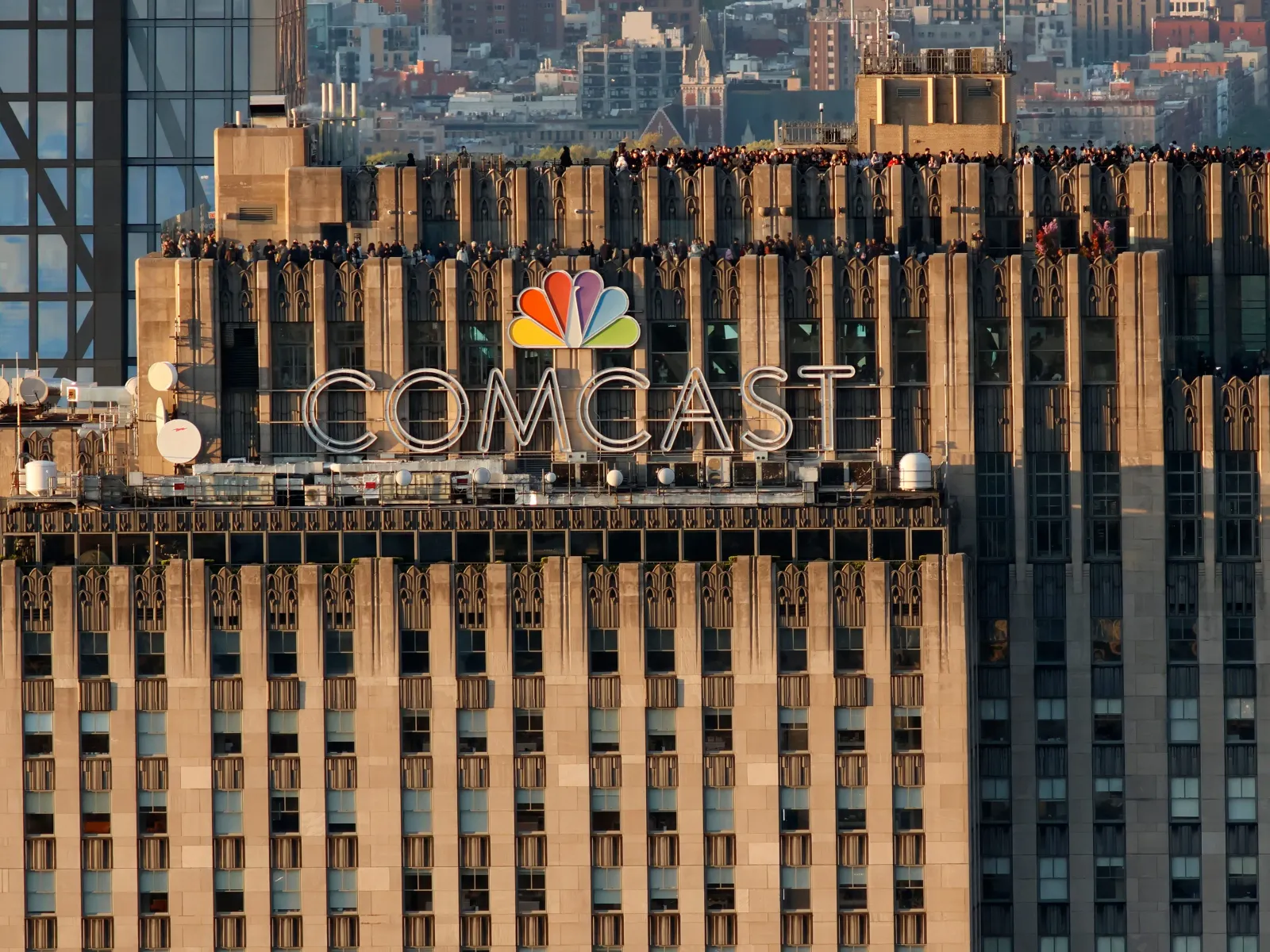
Comcast shares jump 25% as it plans to split NBCUniversal and Sky
The tax-free spin-off could reshape focus, funding, and competition across media and tech for years.

Bungie cuts most Destiny 2 staff as Sony says Marathon still matters
Herman Hulst confirms layoffs affecting most Destiny and some Marathon teams after Bungie admits Destiny fell short.

SK Hynix jumps 11% after seeking up to $29.4B in Nasdaq listing
The chip giant filed for a Nasdaq listing plan that could raise $29.4 billion, instantly reshaping investor expectations.