
Marjane Satrapi dies at 56, Saudi and global arts move fast
The arts world’s biggest loss hits the same week Saudi culture accelerates talent-building with Royal College of Art support.

Marjane Satrapi, the Franco-Iranian author and film director behind “Persepolis,” died aged 56, AFP reported. Meanwhile, Saudi Arabia’s Ministry of Culture partnered with the Royal College of Art to support academic development at the Riyadh University of Arts.
Marjane Satrapi, the Franco-Iranian author and film director best known for the graphic novel and film “Persepolis,” has died aged 56, AFP learned Thursday from a member of her close circle. For anyone tracking arts leadership, that name is not just a brand. Her work helped turn serious, politically charged storytelling into something global audiences actually sought out. The loss is personal for fans, but it also matters as a signal about how quickly cultural influence can disappear when fewer people are actively building platforms for the next generation.
If the arts felt like it was pausing to absorb Satrapi’s passing, Saudi Arabia’s Ministry of Culture chose not to. It partnered with the Royal College of Art to support academic development at the Riyadh University of Arts. The stated goal is to develop local talent and strengthen global cultural connections. In plain terms: while the world mourns a major creative voice, Saudi institutions are doubling down on pipeline building, using an internationally recognized partner to raise the ceiling for what their universities can produce.
This is the part decision-makers should notice. In most sectors, talent development is treated like a background project until you hit a skills crunch. In culture, the crunch arrives fast because visibility, networks, and institutional credibility travel at the speed of media cycles. A partnership with the Royal College of Art is not a symbolic handshake in that context. It is a way to import know-how around academic development, which typically influences curriculum design, training standards, and the quality of graduating work. Those are the inputs that later feed into grants, exhibitions, film festivals, and other credibility ladders that creators climb.
Saudi culture policy has been moving toward that logic for a while: create institutions, then use them to grow local capability, then export cultural output to global audiences. The Ministry of Culture partnership with an elite UK art and design institution lines up with that playbook. It also hints at a practical governance approach. When governments want to build a creative ecosystem, they often face a common bottleneck: local demand exists, but the educational scaffolding and professional mentoring are not yet at the level needed to scale.
Beyond Saudi Arabia, the broader global arts ecosystem still keeps producing notable disruptions and opportunities, even when the news is heavy. Al Arabiya reported that visitors along a pedestrian street near Athens’ Acropolis Hill can now enjoy an unobstructed scaffolding-free view of the iconic site, something not seen in decades. That detail matters for the people who fund and manage tourism, museums, and cultural programming. Long-running construction or visual barriers can change visitor flows and brand perception. When scaffolding comes down, you get a tangible boost in the “experience quality” variable that drives reviews, foot traffic, and event attendance.
Now connect that to Satrapi’s legacy. “Persepolis” did not just tell a story; it demonstrated that graphic storytelling can carry weight on the world stage. That kind of impact is rarely accidental. It is built by creators who get time, editorial clarity, and a route to audiences. When institutions invest in academic development, they are trying to engineer the conditions where creators can take bigger risks earlier, refine their voice, and meet the professional standards required for global exposure.
For executives sitting on culture boards, university leadership teams, or investment committees that back creative platforms, this week’s mix is a reminder that culture is both fragile and relentlessly moving. One major creator can pass at 56, and the emotional shock travels instantly. But the institutional response, like Saudi Arabia’s Ministry of Culture partnership with the Royal College of Art, is what determines whether the next wave of talent gets formed, trained, and networked before the spotlight moves on.
This story's Key Insights and Take-aways are locked.
Create a free account to unlock Executive Actions for one credit.
Register to UnlockAlways free for Executives Club members. Join the Club
More in Entertainment

Yeon Sang-ho traps survivors in a skyscraper in Colony, the Train to Busan successor
Colony finally extends Yeon Sang-ho's undead universe with a hive-mind threat that hunts survivors inside one building.
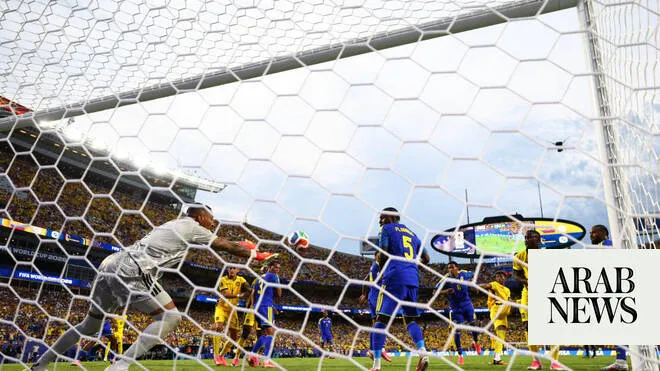
Eloy Room makes 15 saves as Curacao shocks Ecuador to earn first World Cup point
A 0-0 draw gives tiny Curacao its breakthrough, while Ecuador enters the finale under real elimination pressure in Group E.
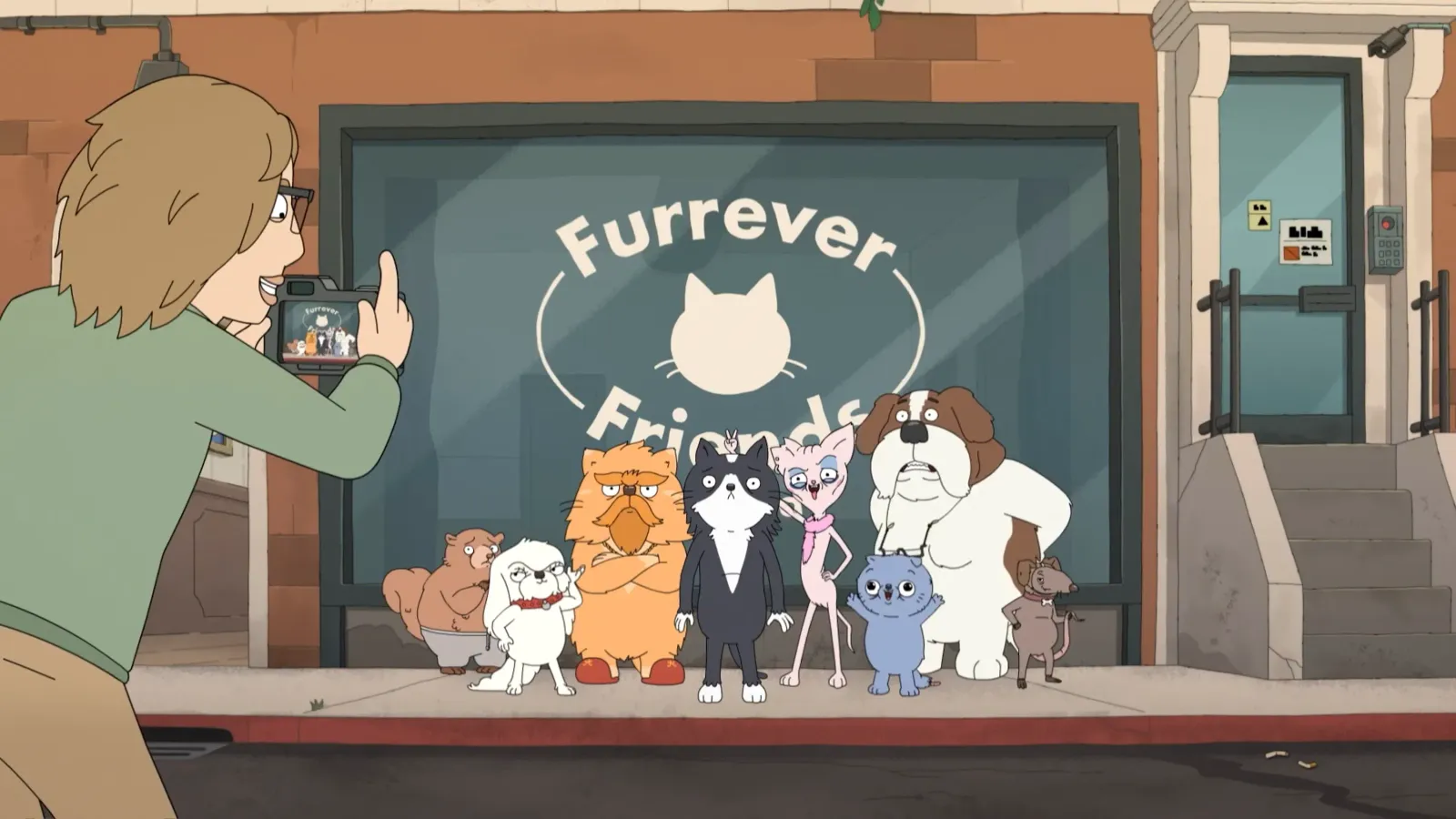
Prime Video cancels Aubrey Plaza's 'Kevin' after her 'very disappointing' announcement
Plaza says the animated talking-cat series is canceled, but she hopes it finds another owner.