
Prime Video cancels Aubrey Plaza's 'Kevin' after her 'very disappointing' announcement
Plaza says the animated talking-cat series is canceled, but she hopes it finds another owner.
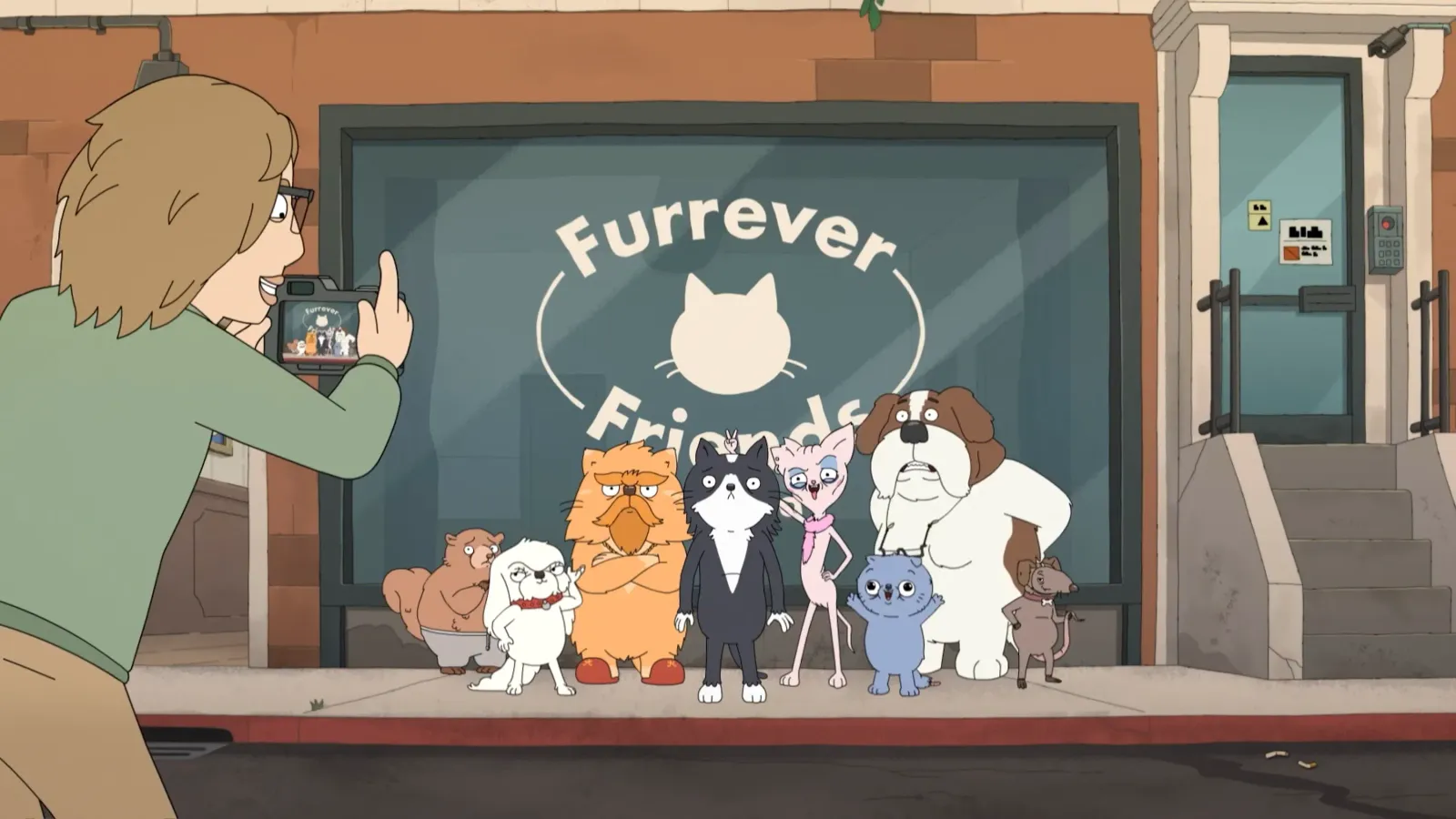
Prime Video has opted to cancel 'Kevin,' the animated series Aubrey Plaza co-created with ex Joe Wengert. Plaza publicly described the news as “very disappointing” and said she hopes the show “will find a new owner someday.”
Prime Video has apparently pulled the plug on 'Kevin,' the animated series Aubrey Plaza co-created with ex Joe Wengert. On Saturday, Plaza announced the cancellation and called it “very disappointing.” If you are a founder, investor, or executive watching TV and streaming content like a business, this is a reminder that distribution decisions move fast, and even shows with recognizable talent can disappear.
In Plaza's post, the key detail is not just that 'Kevin' is ending. She also said she hopes the series “will find a new owner someday.” That matters because, in streaming, cancellation is often a pause, not necessarily a final chapter. A show can be removed from one platform but still have paths forward through licensing, secondary rights, international deals, or re-archived releases elsewhere. Plaza is essentially signaling optimism that the show's story and audience can be rehomed, even after Prime Video has decided to stop investing in its original run.
So what does a cancellation like this actually mean for decision-makers? At the network and studio level, “cancel” usually translates into a shift in capital allocation. Even in the era of subscriptions, platforms still treat content like a portfolio. If a series is not hitting the internal targets that justify ongoing spend, it gets marked for the chopping block. Animated series can be particularly scrutinized because they have longer production cycles and higher up-front costs than many live-action formats. The business question becomes simple, even if the human response is not: does the expected return justify the ongoing burn?
The second-order effect for executives is how quickly a platform can reset its slate and how that impacts partners. When Prime Video chooses not to continue a show, it also changes the bargaining position of everyone connected to it, including creators, cast, and any producers who rely on the platform’s continued backing. Even if creators have hopes for downstream buyers, the immediate reality is that the platform has removed itself from the equation. That shifts timelines, leverage, and even the type of deals that make sense next.
There is also a strategy question for people building media companies: how durable is the value of a series once it is decoupled from its original distributor? In many entertainment ecosystems, the “owner” is not just the platform that airs it first. Ownership can be layered across production entities, distribution rights, and regional licensing. Plaza’s wording about finding “a new owner someday” implicitly acknowledges this reality. It suggests that the show is not just an episode library, but an asset that may still exist within a rights framework that can be sold, licensed, or reactivated.
Finally, this is a cultural and talent signal, too. Plaza is a Golden Globe nominee and a high-visibility creative voice, and 'Kevin' was a collaboration she co-created with Joe Wengert. When a recognizable creator publicly reacts to cancellation with “very disappointing,” it highlights the personal side of an industrial decision. But for boards and operating teams, the practical takeaway is the market pattern: platform economics and content performance expectations can override even strong brand affinity. In other words, talent helps, but it does not immunize a series from a platform’s strategic pivot.
For peers in similar roles, the stakes are clear. If you are in content strategy, partnerships, or investing in entertainment, you need a plan for what happens after “cancel.” That includes mapping rights paths early, understanding secondary distribution options, and thinking about how quickly creators and production teams can mobilize new opportunities. Plaza is hoping 'Kevin' gets another home. For executives, the harder job is making sure the next home is possible, and making that possibility real in time, not someday after the market forgets.
This story's Key Insights and Take-aways are locked.
Create a free account to unlock Executive Actions for one credit.
Register to UnlockAlways free for Executives Club members. Join the Club
More in Entertainment
Russell Brand's accuser 'bewildered and confused' as he denies 7 sex charges
The criminal case against the comedian is a live test of how media companies manage talent risk when serious allegations go public.

'It's a Magic Trick': Ballet Experts Say Rosalía's SNL Pose Is Impossible
Three ballet experts tell Rolling Stone Rosalía's gravity-defying SNL stillness shouldn't be possible - and why the debate is now part of the show.

Activision CMO: GTA 6 Will Boost Call of Duty, Not Bury It
Activision's top marketer says Rockstar's blockbuster will drive players back to consoles and into Modern Warfare 4, even as the company admits its recent strategy failed.