
Mark Cuban says AI chatbots can spot where health insurers are “ripping off” employers
Cuban urges employers to run hundreds-page health contracts through LLMs like ChatGPT and Claude to find hidden overpayments.
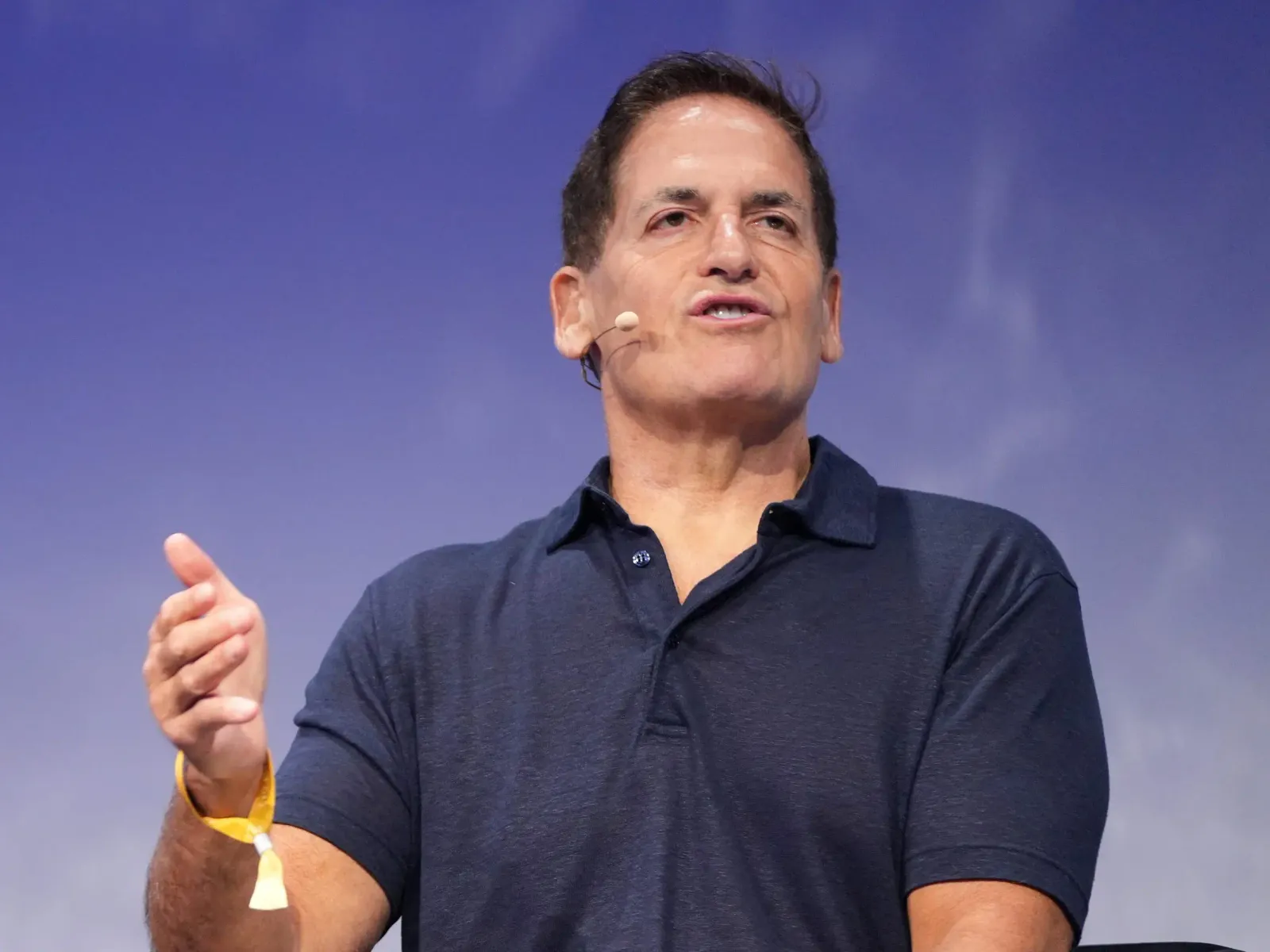
Mark Cuban, cofounder of Cost Plus Drugs, said employers can use large language models like ChatGPT and Claude to analyze healthcare contracts and identify where they are overpaying or being taken advantage of. For employers and decision-makers, the implication is operational: AI review may expose pricing risks and blind spots hidden inside complex insurance and PBM agreements.
Mark Cuban thinks employers are flying blind inside healthcare contracts. In an episode of the “Digital Health Heavyweights” podcast that aired on Monday, the cofounder of Cost Plus Drugs said employers should upload their healthcare contracts to AI chatbots like ChatGPT and Claude to answer one question: where are you getting “ripped off.”
Cuban’s argument is straightforward, but the stakes are not. He described contracts that can be 100 pages or more, with “every single definition” and “every single word” potentially used to take advantage of companies that do not read or interpret the fine print. His prescription: “Run them all. Every healthcare contract you have run through Claude or whatever, and just say, 'Where am I getting ripped off?'”
So what’s the mechanism here? Large language models (LLMs) can digest long, text-heavy documents quickly and surface patterns and terms that humans might miss when time is short and the paperwork is huge. Cuban framed the value as a leveling of the playing field. Employers, he said, often cannot practically wade through minutia, which means they may not notice when pricing or coverage terms create costs that were not obvious at the moment the contract was signed. In his view, using an LLM is a way to make the contract easier to understand and therefore easier to challenge.
Cuban’s comments also connect to a longer-running critique he has made about the healthcare middle layer, especially insurers and pharmacy benefit managers, or PBMs. He has said health insurers and PBMs contribute to higher healthcare costs through opaque pricing and complex contracting. On X, he wrote on Sunday that “There isn't a single company, including yours, that knows the actual cost of the care they purchase for your employees and families. Not one.” That is the problem he believes AI can help with, at least at the document layer: turning contract language into something that decision-makers can interrogate.
But Cuban was careful to say AI review is only “the first step.” On the podcast, he argued employers also need to understand the financial risks they are taking on, rather than assuming insurers act in their best interests. His specific point was blunt: “People default to insurance as if the insurance company's going to give them something more than what they put in. That's never the case.” In other words, a contract can look like a promise, while the actual economic arrangement may still shift risk, costs, and margin toward the party with the informational advantage.
That is where his second proposal comes in. Cuban said employers with the financial resources should consider contracting directly with hospitals, clinics, or physician groups instead of relying entirely on traditional insurers. He argued direct contracting can help employers negotiate lower prices while giving them greater control over healthcare spending. The logic is incentive alignment: if the employer is closer to the care delivery side, it can pressure pricing and terms more directly, instead of negotiating through multiple layers that can obscure who gets paid and why.
For executives, there is an immediate operational takeaway. Many employer teams already manage benefits and costs, but contract interpretation is slow and expert-heavy. LLMs are not a magic eraser for healthcare complexity, but Cuban’s pitch highlights a practical use case: use AI to accelerate review, identify definitions and pricing terms that matter, and then decide where to push back. In an environment where healthcare costs remain a board-level pressure point, “control” and “visibility” become recurring themes, whether the tool is AI or simply better contract governance.
There is also a governance angle. Board members and CFOs tend to ask the same question over and over: are we paying for what we think we are paying for, and what happens if utilization or pricing changes? Cuban’s framing suggests that part of the answer lives in documents, not dashboards. If employers cannot reliably interpret their contracts, they cannot reliably manage the financial risk baked into them. And if they cannot manage that risk, cost containment becomes guesswork instead of strategy. Cuban’s “run them all” challenge is essentially a demand for a faster feedback loop between contract language and actual cost exposure.
This story's Key Insights and Take-aways are locked.
Create a free account to unlock Executive Actions for one credit.
Register to UnlockAlways free for Executives Club members. Join the Club
More in Entertainment

12TB Steam 'teraleak' goes beyond Valve: GTA 3, Mafia 2 prototypes exposed
A 12-terabyte dump of Steam data reveals prototypes and builds of third-party classics like GTA 3 and Mafia 2, plus unreleased Valve content, rewriting game history.

LinkedIn's romance problem: 1 in 4 workers say dating on it is fair game
A new survey shows a quarter of U.S. employees treat the professional network as fair game for romance, even as LinkedIn bans it and removes hundreds of thousands of offending posts.

Enhypen's first No. 1 album breaks K-pop's Billboard 200 streak
The K-pop group's 98,000-unit debut tops the chart while Dolly Parton's catalog reentry shows how death reshapes streaming.