
Mark Kelly keeps finishing Gabby Giffords’s sentences, even as politics turns brutal
After Tucson and a decade of death threats, Kelly’s caregiver-symbiosis collides with a presidential-style reckoning.
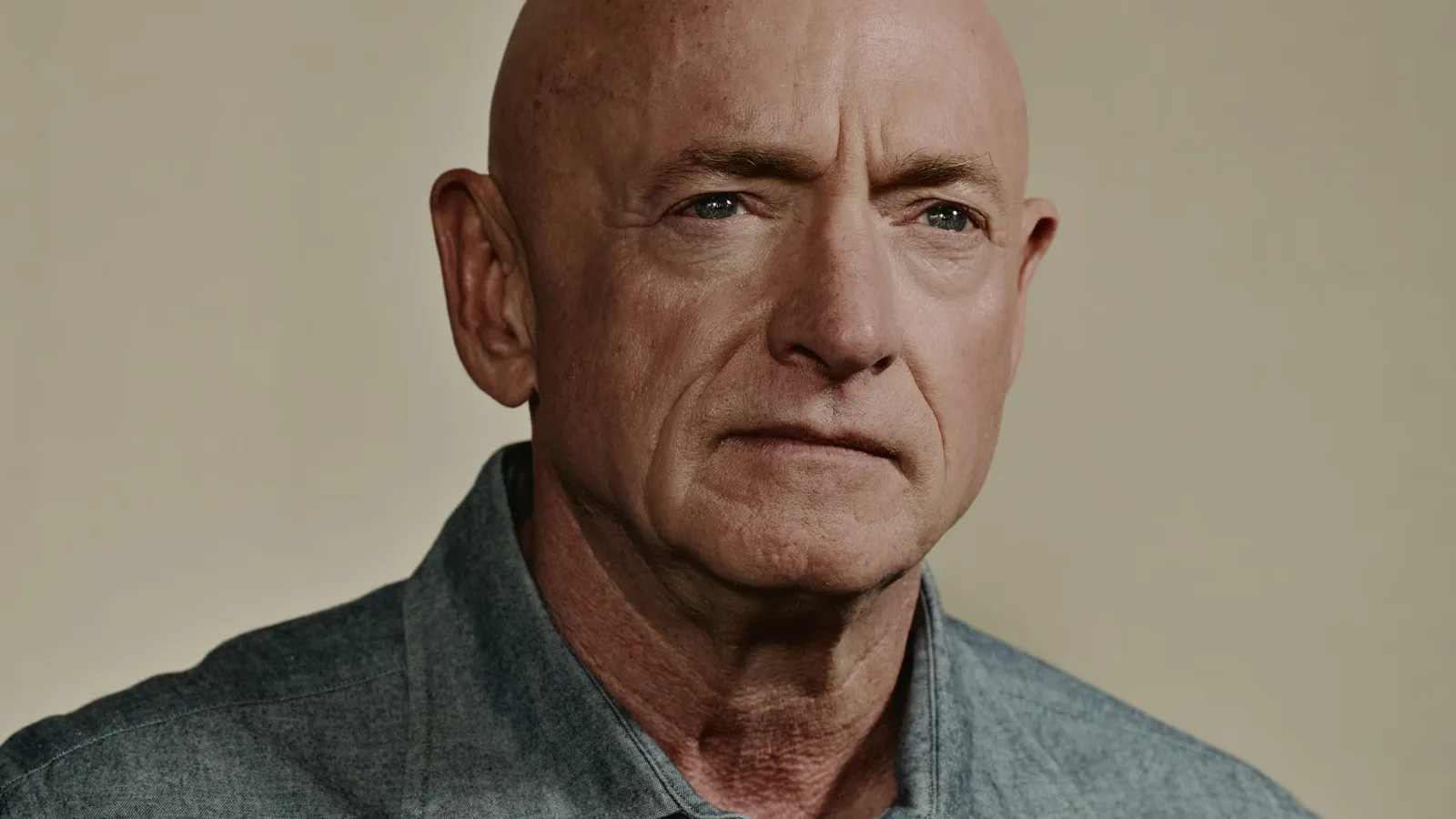
Senator Mark Kelly, retired Navy pilot and former NASA astronaut, has spent 15 years adapting his life to his wife, former Congresswoman Gabby Giffords, after she was shot in the head in 2011. The question for decision-makers: can that singular bond survive the hostile incentives and spectacle of a presidential campaign?
“My wife, Gabby, was shot in the head.” Senator Mark Kelly repeats the line with blunt regularity, not as an opener but as a kind of anchor. The former congresswoman Gabby Giffords was shot in the head and grievously wounded in a mass shooting outside a Tucson Safeway in 2011, one of the most notorious political-violence incidents in America. Fifteen years later, the incident still defines the way Kelly talks about the rest of his life, the way he moves through public scrutiny, and the way he prepares for whatever the political calendar throws next.
That definition did not end when her career in Congress ended, or when her speech impairment became part of daily reality. After Tucson, the damage was acute to the area of her brain that controls speech, leaving her with “non-fluent aphasia,” a condition that does not affect intelligence or comprehension, only her ability to relay. Kelly says that after the shooting, he started carrying 95 percent of their conversations. During a trip to Arizona to join them at events around Phoenix, the dynamic is immediate and physical: Kelly often finishes Giffords’s sentences and elaborates on what she is trying to say. She speaks in bursts of words and short fragments, and in those gaps you can see the effort she is making to turn thought into sound.
So the “Wingman” question is not romantic fluff. It is structural. Politics is a merciless spectacle because campaigns are optimized for contrast, conflict, and constant content. Kelly and Giffords are unusually hard to reduce to a typical campaign pairing. In their joint memoir, Gabby: A Story of Courage, Love, and Resilience, Kelly estimates that before she was shot, Giffords did about 60 to 70 percent of the talking. He was the reticent one, happy to let his wife gobble up silences. With Giffords present, he becomes much more engaged, as if he is trying to draw out whatever remains of the extroversion she had before Tucson. Even the humor has a shared rhythm. When they settle into a coffee shop in triple-digit Phoenix heat, Giffords declares, “Drink your water!” Then she adds, “China. Drink more water.” Kelly explains, “You know what people say in China when you sneeze? Drink more water.” She chuckles. He joins her. The exchange is darkly absurd, and it is also a practical demonstration of what their bond looks like under stress.
That stress gets no lighter because public life did not become safer after the attack. Kelly has lived through a life that includes 39 combat missions in Desert Storm, a missile blowing up just above his plane, four space-shuttle voyages (two as mission commander), and the near-murder of the person he loves most. After Tucson, he watched Giffords get deluged with death threats for years afterward. The source makes a point of another kind of pressure too: Kelly is now staring at a chilling conflict with his own government.
The conflict comes into focus through a detail that matters in a campaign and in a governance system: Trump’s rhetoric and the speed with which it travels from social platforms to political consequences. Kelly, who is 62, reacts with understatement to a phrase that would flatten most people: “it’s not great to wake up one morning and to find out the president wants you hanged.” He was referring to a series of Truth Social posts from Trump last November. Kelly and five Democratic colleagues in the House and Senate had made a video reminding U.S. service members of their duty not to obey illegal orders. Trump responded by accusing the lawmakers of sedition and threatening to seek their execution.
Here is the operational part that executives and board members should notice, because it is about process risk, not feelings. Kelly says he did not “wake up” to the news. During a mid-morning briefing on Venezuela, he was sitting next to his Senate colleague Elissa Slotkin of Michigan during the time the information landed. A security officer walked over and passed Slotkin a note from an aide: “It says something like, ‘President called for your arrest,’” Kelly told the reporter. Slotkin left, came back, and informed Kelly that Trump had called for his arrest too. Slotkin confirmed this account, saying, “I just slid the note over to him. And we just had a whole conversation with our eyes.”
That same blend of intimacy and institutional threat carries into other details from their life, including the story Kelly tells about the medical aftermath. Doctors performed an emergency craniectomy on Giffords, removing a large portion of her skull to reduce pressure on her swelling brain. Kelly asked what would happen to the original chunk of bone, and the doctor told him it would go in the incinerator. Kelly said he thought Giffords might want it. “We stuck it in the freezer,” Kelly told the reporter, in a Tupperware container. They still have it, kept in a separate freezer, Kelly clarified, “It’s not in the freezer we use every day. It’s a separate freezer.” His dry humor matters because it is how he handles a life where survival and symbolism collide.
Now bring all of that back to the campaign question. A presidential run is not just about charisma or policy. It is about how a candidate responds when every moment is turned into a test of loyalty, a target for amplification, and a chance for opponents to escalate. Kelly’s ability to translate, coordinate, and keep a steady internal rhythm has been forged by caregiving after Tucson and by enduring years of threats. But the source also shows how easily the broader political environment can move from rhetoric to personal risk, from online posts to calls for arrest. For people watching this space, the stakes are obvious: whether that singular partnership dynamic, the caregiver symbiosis and dark humor, can endure when the incentives of national politics are built to pull everything apart.
This story's Key Insights and Take-aways are locked.
Create a free account to unlock Executive Actions for one credit.
Register to UnlockAlways free for Executives Club members. Join the Club
More in Politics
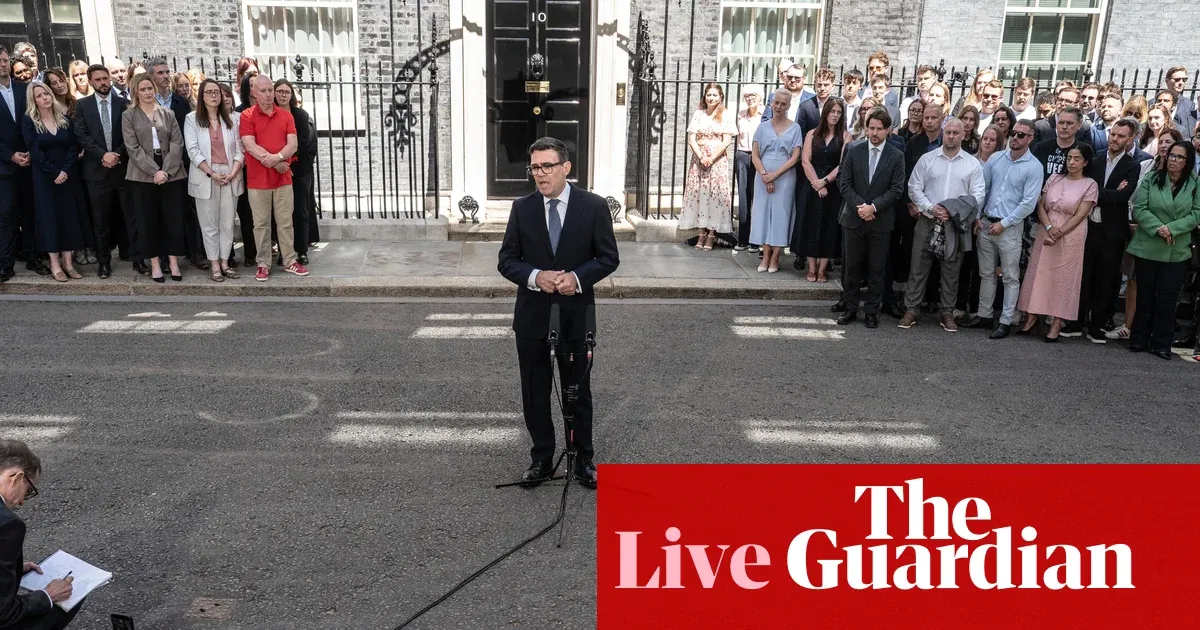
Andy Burnham cuts VAT on electricity bills in first cabinet meeting as PM
His new government starts cost-of-living relief, while EU leaders push for closer UK cooperation on energy and security.

UN reports 144 dead or missing off Mauritania as two children survive
A week of sinking boats off Mauritania left 144 people unaccounted for, with survivors losing everyone from Gambia.

Iran claims Hormuz tanker attack as US hits 10 straight nights and strikes expand
Iran’s Revolutionary Guard alleges new ship attacks while the US sustains consecutive strikes, escalating risk for oil routes and allies.