
Mark Rutte braces as Trump-pressed NATO unity faces a Turkey summit reckoning
Burden sharing, US commitments, and the Iran war are putting NATO solidarity on a short leash at Turkey.
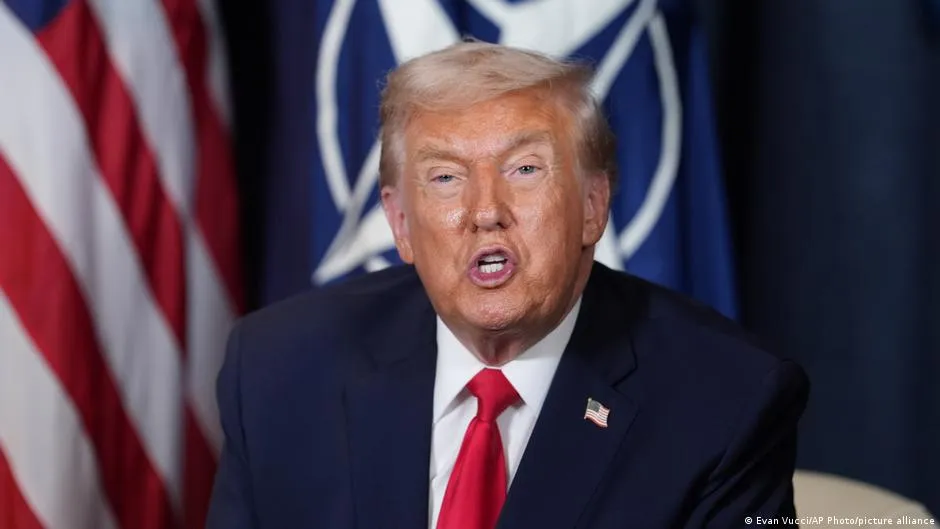
NATO Secretary-General Mark Rutte is working to keep the alliance united and Donald Trump engaged ahead of a NATO summit in Turkey. The consequence is a major test for NATO unity driven by disputes over burden sharing, US military commitments, and the Iran war.
NATO Secretary-General Mark Rutte is trying to keep NATO united and keep Donald Trump engaged at a Turkey summit, and the pressure is coming from three specific disputes: burden sharing, US military commitments, and the Iran war. Translation: this is not an abstract “values alignment” meeting. It is a real-time stress test for whether NATO can stay coordinated when the politics get thorny.
Rutte’s job, as framed in the source, is straightforward but difficult: hold the alliance together while ensuring Trump remains engaged. That sounds like standard diplomacy until you remember how NATO unity is actually built. NATO is a coalition, not a single company. Unity depends on member governments believing the deal is fair and durable, and that they will not get left holding the risk while others set the tempo.
So what does “burden sharing” mean in practice? It is the classic coalition problem where countries disagree on who pays and who benefits. If allies perceive that their contributions are outsized or that benefits are uneven, they start to hedge. That creates delays, conditional support, and in the worst case, the kind of friction that can slow joint planning and decision-making. For executives who live in multi-stakeholder ecosystems, this is the same math as a consortium: if no one trusts the formula, everyone starts negotiating instead of building.
The second stress point is US military commitments. Even without any extra details in the source, the headline issue matters because US commitments are the backbone many European members rely on for deterrence and operational credibility. When disputes emerge around what the United States will commit to, timing, scope, and predictability become the battlefield. Coalition partners then have to decide whether to wait, spend more themselves, or restructure plans around a more uncertain security environment. In business terms, it is the difference between a stable supply contract and an open-ended “we will see” clause, and it changes how risk is priced and internal approvals get routed.
The third stress point is the Iran war. The source flags the Iran war as part of the test for NATO unity. When a conflict becomes a central driver of alliance posture, it can pull members in different directions based on regional exposure, domestic politics, and threat perception. That can turn a strategy discussion into a legitimacy fight: does the alliance move because members share a threat assessment, or because a subset wants action? The alliance can survive disagreement, but not if disagreement becomes gridlock.
Now overlay the timing and the political reality. The source emphasizes two goals for Rutte: keep NATO united and keep Trump engaged. That combination is a clue that the summit is as much about attendance and attention as it is about policy. If engagement slips, the political bandwidth required to reconcile disputes shrinks quickly. When engagement is high, negotiation has momentum. When it drops, the parties start preparing alternative plans and playing to domestic audiences.
For decision-makers in adjacent sectors, the second-order implications are real. Defense and security are tightly linked to procurement cycles, industrial readiness, and the risk assumptions that underpin investment. Disputes within NATO can ripple into uncertainty for contractors and supply chains, and into the governance choices of boards that must decide whether to lock in capacity or wait for clearer commitments. Even if your company is not in defense, geopolitical instability can tighten financing, shift regulatory posture, and change how governments prioritize funding and enforcement.
In other words, this Turkey summit is not just diplomacy. It is a live probe of whether the coalition can absorb disagreements over who pays, what the United States will do, and how the alliance should respond to the Iran war. If NATO unity holds, markets and partners get a clearer signal that coordinated action will remain possible. If unity frays, executives should expect more noise, slower alignment, and a higher premium on contingency planning. Rutte’s success, as described here, is the difference between NATO functioning like a coordinated network and NATO behaving like a set of separate national agendas that only converge when they must.
This story's Key Insights and Take-aways are locked.
Create a free account to unlock Executive Actions for one credit.
Register to UnlockAlways free for Executives Club members. Join the Club
More in Politics

Glacial collapse, not rain, killed 180 in Nepal's Himalayan flood
The Himalaya's extreme geography hid the true cause of Nepal's catastrophic flood, a glacial collapse that turned a geological battleground into a mass-casualty zone.

Iran’s Esmail Baghaei says Oman talks start shipping via Hormuz, not US talks yet
Temporary route plans with Oman aim to restart commerce while Tehran says Washington dialogue is not on the table.

Standards watchdog opens probe into Reform UK deputy leader Richard Tice over interests
The parliamentary standards commissioner says it began an investigation on 28 July into a possible undeclared interest.